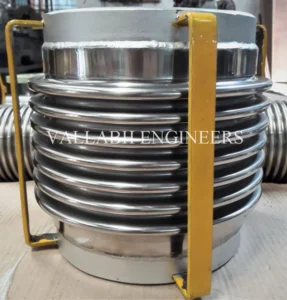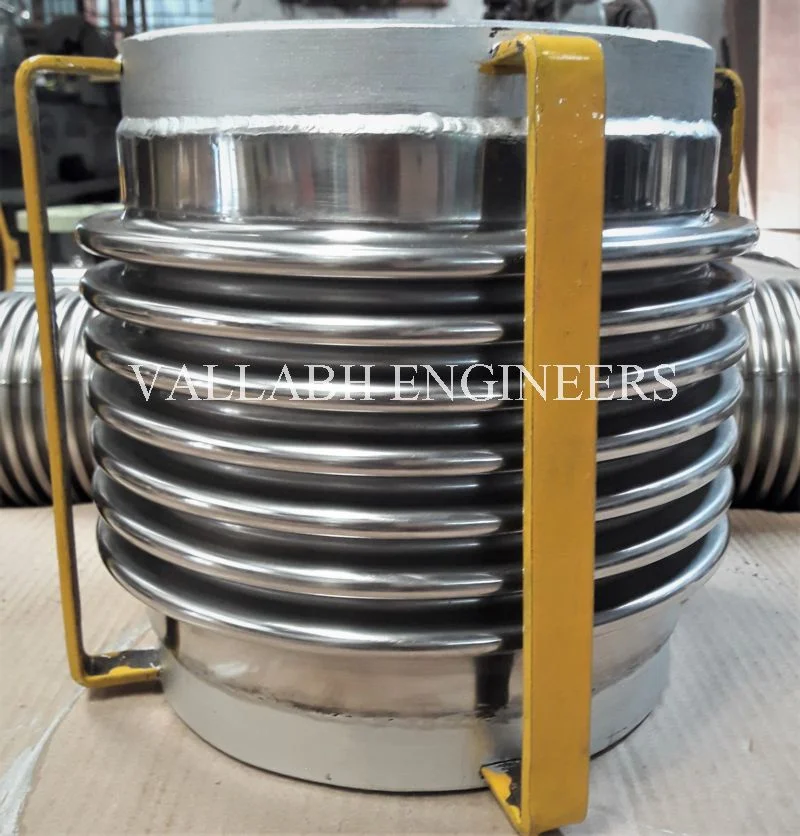
A Metal Bellow is a flexible seal that is used in the piping system and flanges in the pharmacy, oil and gas industry. Vallabh Engineers, being one of the most preeminent Metal Bellow Manufacturers in Vadodara,
Metal Bellow: Types, Benefits, Applications and Selection Guide
Metal Bellow is a flexible engineering component used in piping systems, machinery and exhaust assemblies to accommodate movement and reduce stress on connected equipment. Its corrugated structure allows controlled compression, extension or deflection while maintaining a connection between adjoining sections. They are used where temperature changes, vibration and pressure variations occur.
A properly designed Metal Bellow can help protect pipelines, pumps, valves and other equipment from excessive movement-related loads. Vallabh Engineers provides industrial bellows solutions for varied operating conditions.
What Is a Metal Bellow?
A Metal Bellow is generally manufactured from a thin, formed metal section with a series of corrugations, also called convolutions. These folds give the component flexibility while maintaining its structural connection. It can accommodate axial, lateral or angular movement. A design must match the intended direction and amount of travel.
are used in piping, ducts, vacuum equipment, pumps, compressors and exhaust systems. Stainless steel is widely used. Other alloys may be chosen for specific strength, temperature or corrosion requirements. A Metal Bellow must be specified according to pressure, temperature, movement, cycle life and process medium.
Common Types of Metal Bellows
Common constructions include:
1. Stainless Steel Bellows
Stainless steel designs are selected for their flexibility, strength and corrosion resistance. The correct grade depends on the process fluid, surrounding environment and operating temperature. Each Metal Bellow should be checked against these conditions.
2. Single-Ply Bellows
A single-ply construction uses one formed metal layer. It suits applications where one layer meets movement, pressure and fatigue requirements. A Bellow with this construction is selected through calculations.
3. Multi-Ply Bellows
Multi-ply designs contain two or more thin metal layers. Their performance depends on the design and application. A Bellow with multiple plies may suit specific pressure and flexibility needs.
4. Exhaust Bellows
Exhaust bellows are installed in selected engine and industrial exhaust assemblies. They accommodate vibration and thermal movement between connected parts.
5. Expansion Bellows
Expansion designs absorb movement caused by temperature changes in piping systems. Options include axial, hinged, gimbal and universal arrangements.
Key Benefits of Metal Bellows
A correctly engineered Metal Bellow offers several benefits.
Accommodates Thermal Expansion
Pipelines and equipment expand when heated and contract as they cool. A suitable bellow absorbs specified movement and limits loads on joints, supports and machinery.
Helps Reduce Vibration
Pumps, compressors, turbines and engines generate vibration during operation. A flexible connection can reduce vibration transmission when designed for that purpose. The Metal Bellow must be rated for the vibration conditions.
Manages Mechanical Movement
Equipment movement, installation tolerances and operating cycles can place stress on connected pipework. A Metal Bellow accommodates defined displacement within its design limits.
Supports Durable Connections
Appropriate metal selection and fabrication help the component operate in demanding environments. Corrosion and fatigue performance must match service conditions.
Industrial Applications
Applications include:
Power Generation
Power plants may use bellows in steam lines, turbine connections, boiler ducting and exhaust systems. Selection must account for temperature, pressure and movement.
Oil and Gas
Oil and gas facilities use engineered metal bellows in selected pipelines and equipment connections. Consider the process medium, pressure, temperature and safety requirements.
Chemical and Petrochemical Processing
Chemical plants may require corrosion-resistant materials and designs suited to process conditions. Material compatibility is critical with aggressive fluids or gases.
Automotive and Exhaust Systems
Automotive and industrial engine systems use exhaust bellows to accommodate engine movement and vibration while reducing loads on connected exhaust components.
Manufacturing and Heavy Engineering
Factories use them in machinery, pumps, compressors, ventilation and piping.
How to Select the Right Metal Bellow
Before ordering, provide complete application information:
- Material grade: Choose a metal compatible with the process medium and environment.
- Operating pressure: Confirm design pressure, vacuum conditions and pressure fluctuations.
- Temperature range: Include normal, maximum, minimum and start-up temperatures.
- Movement requirements: Specify axial, lateral and angular movement, including combined movement.
- Cycle life: Consider how frequently the system will expand, contract or vibrate.
- Connections and dimensions: Confirm pipe size, face-to-face length, flange details and end connections.
- Installation arrangement: Review anchors, guides, supports, alignment and available space.
Anchors, guides and correct installation help control pressure thrust and support service life. A Metal Bellow should never be used as a substitute for proper pipe supports.
Why Choose Vallabh Engineers?
Choose a manufacturer by reviewing material specifications, fabrication capability and inspection practices. Vallabh Engineers provides industrial bellows solutions for engineering and manufacturing applications. Sharing drawings and operating details helps the team assess the required configuration and discuss a suitable Metal Bellow for the installation. The configuration should follow verified project data. Correct Metal Bellow selection matters.
Frequently Asked Questions
1. What is the main purpose of a Metal Bellow?
It accommodates specified movement, including thermal expansion and contraction, and can help reduce vibration or movement-related loads in connected systems.
2. Which materials are commonly used?
Stainless steel is common; other alloys depend on temperature, pressure, corrosion and process requirements.
3. Can metal bellows be used in high-temperature applications?
Yes, when material and design ratings match temperature, pressure, movement and operating cycles.
4. What information is needed for product selection?
Provide operating conditions, movement, material, dimensions, connections and installation drawings.
Conclusion
Metal bellows are valuable in systems exposed to thermal expansion, vibration and mechanical movement. Performance depends on material selection, engineering, installation and proper supports. Vallabh Engineers offers industrial bellows solutions for varied application requirements. Contact the company with your drawings and operating details to discuss a suitable configuration, request a quotation and place your order.