Tattoo removal is a growing trend, with many people choosing to remove ink for personal, professional, or aesthetic reasons. While modern methods like laser tattoo removal are effective and relatively safe, it’s normal to experience some side effects. Understanding which reactions are typical and which require medical attention is essential for a safe and successful removal process.
This comprehensive guide covers everything you need to know about tattoo removal side effects, what to expect during treatment, and how to ensure proper aftercare. Clinics offering tattoo removal Sharjah and laser tattoo removal Sharjah follow professional standards to maximize safety and results.
How Tattoo Removal Works: Laser vs. Other Methods
Tattoo removal can be achieved through various methods, but laser treatment is the gold standard.
Laser Tattoo Removal
Laser removal uses high-intensity light beams to break down tattoo pigments into smaller particles that the body can naturally eliminate through its immune system.
Advantages of laser removal:
- Non-invasive and precise
- Minimal downtime
- Effective for most colors and sizes
- Reduced risk of scarring compared to traditional methods
Other methods, such as surgical excision or dermabrasion, are less common due to higher risks and longer recovery times. Clinics like tattoo removal clinic Sharjah prioritize laser treatments for safety and effectiveness.
Common and Normal Side Effects
After a tattoo removal session, the body responds to the laser’s effect on the pigment. Some side effects are completely normal and expected:
1. Redness and Swelling
It’s common for the treated area to appear red and slightly swollen immediately after the session. This typically resolves within 1–3 days.
2. Mild Blistering
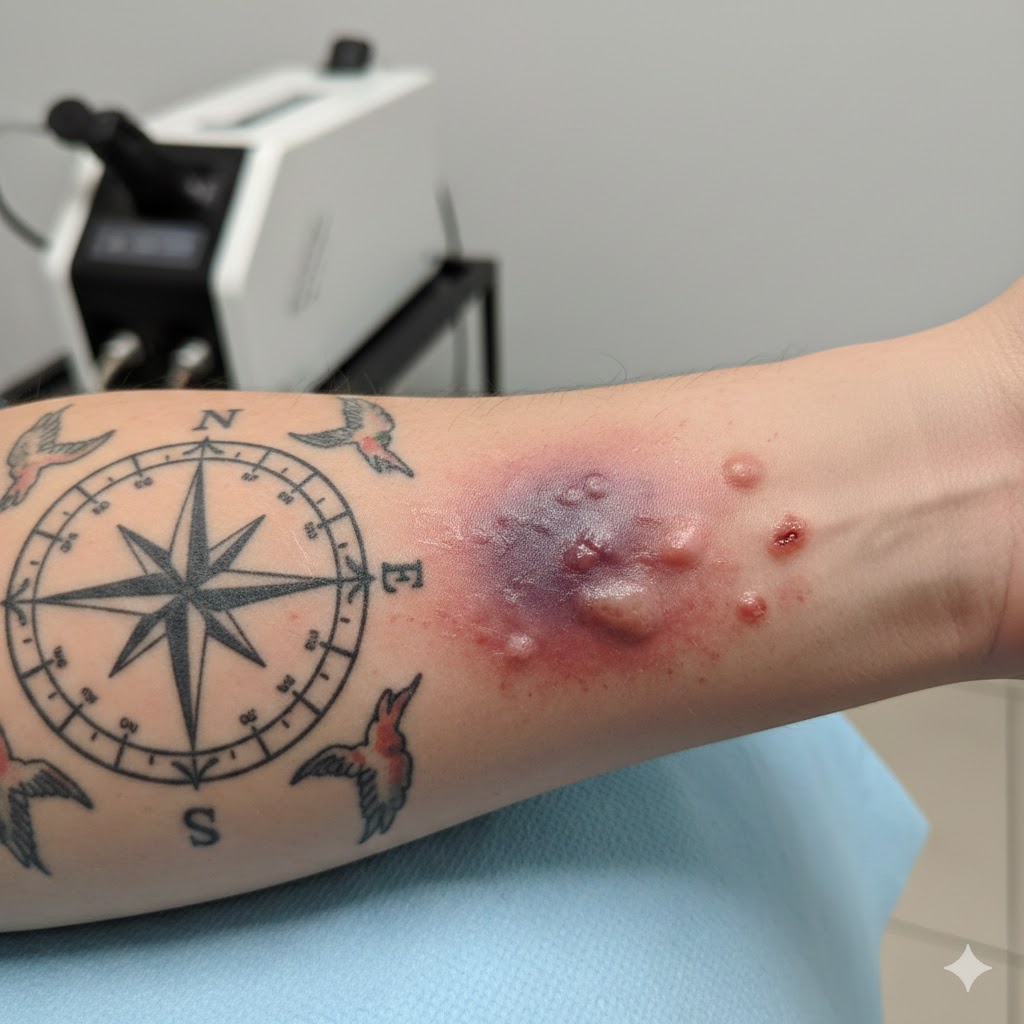
Small blisters may form as the skin reacts to the laser. Blisters are a natural part of the healing process and usually heal without complications.
3. Itching or Scabbing
The treated area may itch or develop scabs as the skin regenerates. Avoid scratching or picking at scabs to prevent infection or scarring.
4. Temporary Pigment Changes
The skin may appear lighter or darker temporarily due to changes in melanin. These changes often normalize over several weeks.
These side effects are considered normal and are part of the healing and pigment removal process.
Less Common Side Effects and Risks
While modern laser technology minimizes complications, some side effects are less common and may require attention:
1. Infection
If proper hygiene is not maintained, the treated area can become infected. Signs include:
- Persistent redness
- Swelling
- Pus or unusual discharge
- Fever
2. Scarring or Keloid Formation
Although rare, excessive tissue damage or poor healing can lead to scarring or keloid formation, especially in individuals prone to keloids.
3. Hypopigmentation or Hyperpigmentation
Some patients may experience permanent lightening (hypopigmentation) or darkening (hyperpigmentation) of the treated area, particularly in darker skin tones.
4. Allergic Reactions
Rarely, patients may react to the tattoo ink being broken down by the laser, resulting in localized rashes or swelling.
Clinics providing laser tattoo removal Sharjah are trained to identify and manage these risks efficiently.
Factors Influencing Side Effects
Several factors affect how your skin responds to tattoo removal:
- Tattoo size and color: Large or multicolored tattoos require more sessions and may increase the chance of side effects.
- Tattoo depth and ink type: Professionally applied tattoos are often deeper and harder to remove.
- Skin type and tone: Darker skin tones are more susceptible to pigment changes.
- Practitioner expertise: Experienced professionals reduce the likelihood of complications.
- Aftercare compliance: Proper care significantly lowers the risk of infection and scarring.
How to Minimize Risks
Following expert guidelines can reduce side effects and improve outcomes:
- Choose a Qualified Clinic: Look for certified professionals offering tattoo removal clinic Sharjah services.
- Follow Pre-Treatment Instructions: Avoid sun exposure and certain medications as advised by your provider.
- Post-Treatment Care: Keep the area clean, moisturized, and protected from direct sunlight.
- Watch for Warning Signs: Contact your clinic if you notice unusual swelling, pus, or extreme pain.
- Gradual Sessions: Multiple short sessions reduce the risk of skin damage and enhance results.
What to Expect During and After Laser Sessions
During the Session
- The area is cleaned and sometimes numbed with a topical anesthetic.
- The laser is applied in controlled pulses over the tattoo.
- Most sessions last 15–30 minutes depending on tattoo size.
Immediately After
- Redness, mild swelling, and warmth are common.
- Blisters and scabbing may appear within 24–48 hours.
Short-Term Healing
- Avoid touching, picking, or scratching the area.
- Apply recommended ointments and dressings.
- Keep the area out of direct sunlight.
Tattoo Removal Healing Timeline
Understanding the healing timeline helps set expectations:
- Day 1–3: Redness, swelling, and minor tenderness.
- Day 4–7: Blisters or scabs may form; itching is common.
- Week 2–4: Scabs fall off; pigment begins fading.
- Weeks 4–8: Skin continues to heal; follow-up sessions may be scheduled.
Most patients need 4–8 sessions spaced 6–8 weeks apart for complete removal, depending on tattoo size, color, and depth.
Tattoo Removal in Sharjah: What Patients Should Know
Sharjah offers high-quality clinics specializing in tattoo removal Sharjah and laser tattoo removal Sharjah. Patients benefit from:
- Experienced professionals trained in laser safety
- Advanced laser equipment for faster and safer removal
- Personalized treatment plans based on skin type, tattoo color, and size
- Clear guidance on aftercare and side effect management
Choosing a reputable clinic ensures safety, minimal side effects, and optimal results.
Frequently Asked Questions (FAQs)
1. Are side effects from tattoo removal normal?
Yes, mild redness, swelling, and scabbing are typical responses to laser treatment.
2. How long does it take for side effects to subside?
Most minor side effects resolve within 1–2 weeks.
3. Can tattoo removal cause permanent scarring?
Permanent scarring is rare when performed by experienced professionals using proper techniques.
4. How many sessions are needed to remove a tattoo?
Typically 4–8 sessions, spaced 6–8 weeks apart, depending on tattoo size and color.
5. What should I avoid after laser tattoo removal?
Avoid picking scabs, excessive sun exposure, and harsh chemicals on the treated area.
6. Can darker skin tones safely undergo tattoo removal?
Yes, but there is a slightly higher risk of temporary pigment changes; an experienced clinic can manage this.
7. Is laser tattoo removal painful?
Patients may feel mild discomfort similar to a snapping sensation, often managed with topical anesthetic.
Conclusion: Safety, Expectations, and Choosing the Right Clinic
Understanding the side effects of tattoo removal is key to a safe and effective process. Mild redness, swelling, scabbing, and temporary pigment changes are normal, while infection, scarring, and pigment irregularities are rare but require prompt attention.
To minimize risks, choose a qualified provider such as a tattoo removal clinic Sharjah or clinics offering laser tattoo removal Sharjah. Following professional guidance before, during, and after treatment ensures the best outcomes and a smoother healing experience.
With proper care and realistic expectations, tattoo removal can be safe, effective, and transformative.