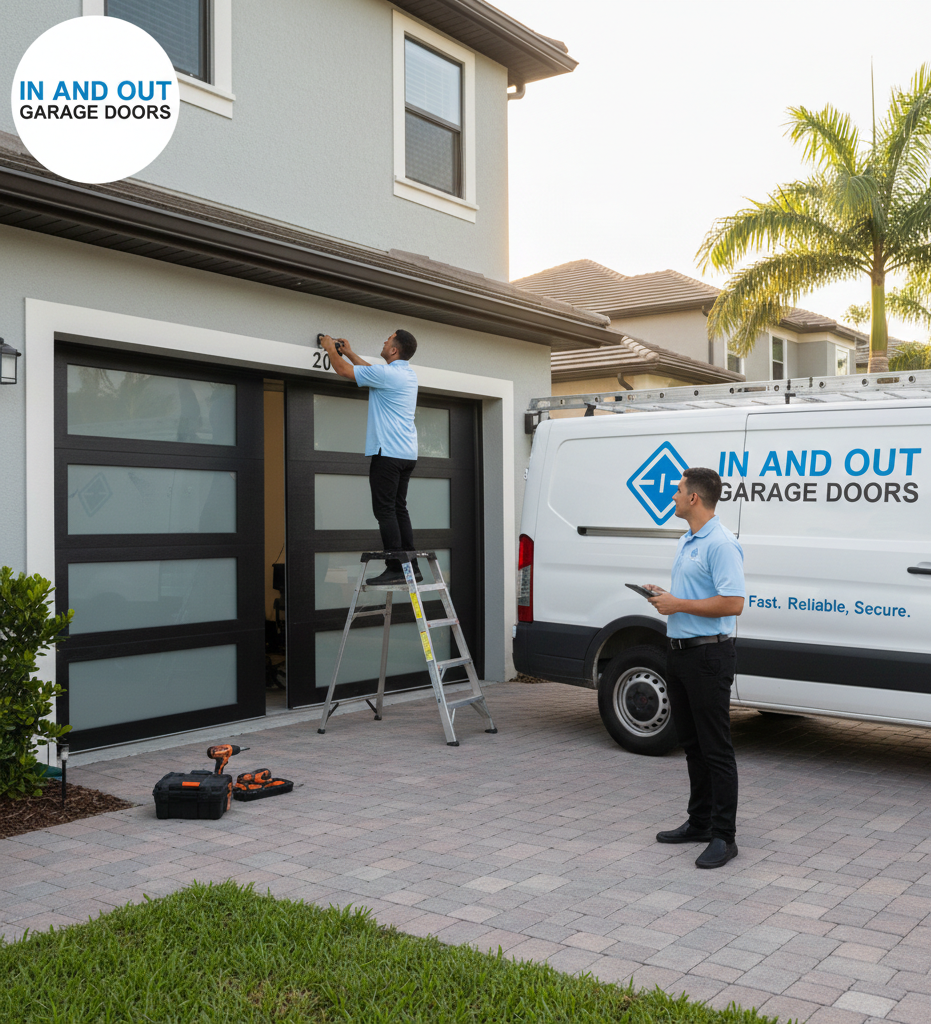
Garage doors are one of the most frequently used systems in any home, yet the components that make them work smoothly often go unnoticed—until something fails. Among these parts, garage door springs play a critical role. When they wear out or break, your entire garage door system can suddenly stop working.
Understanding how long garage door springs last, what affects their lifespan, and when to schedule garage door spring repair can help homeowners avoid unexpected breakdowns, safety risks, and costly emergency service calls.
Why Garage Door Springs Matter So Much
Garage door springs are responsible for lifting and lowering the full weight of the door. Without properly functioning springs, even the best garage door opener cannot operate safely or efficiently.
There are two main types of springs used in residential systems:
-
Torsion springs – mounted above the garage door opening
-
Extension springs – installed along the sides of the door tracks
Both types operate under extreme tension and are designed for durability, but they are not permanent.
What Is a Garage Door Cycle?
A cycle equals one full opening and one full closing of the garage door. Springs are rated by the number of cycles they can handle before wearing out.
-
Standard springs: 10,000–20,000 cycles
-
Average household usage: 3–5 cycles per day
At this usage level, most springs last between 7 and 12 years. Homes that use the garage door as the primary entrance will experience faster spring wear.
Average Lifespan of Garage Door Springs
In general, garage door springs last 7–12 years, but this is not a fixed timeline. Lifespan depends heavily on usage patterns, door weight, environment, and maintenance.
Rather than waiting for a spring to break, homeowners should monitor performance and plan ahead for garage door spring replacement.
Key Factors That Affect Spring Longevity
1. Frequency of Garage Door Use
The more often the door opens and closes, the faster the springs wear down.
2. Weight of the Garage Door
Heavier doors place more stress on springs. Incorrectly sized springs fail sooner.
3. Climate and Environment
Humidity, temperature changes, and coastal air increase corrosion and rust.
4. Quality of Installation
Poor installation causes uneven tension, reducing spring life significantly.
Professional installation by In and Out Garage Doors ensures balanced performance and longer-lasting springs.
Warning Signs Your Garage Door Springs Are Failing
Spring failure is usually gradual, giving homeowners time to act if they know what to look for.
Common signs include:
-
The garage door feels unusually heavy
-
Jerky or uneven movement
-
Loud snapping or popping sounds
-
Door stops after lifting a few inches
-
Visible gaps or stretching in the spring
Ignoring these warning signs increases the risk of sudden failure and personal injury.
What Happens When a Garage Door Spring Breaks
When a spring breaks:
-
The door becomes extremely heavy
-
The opener may strain or fail
-
The door may not open at all
Because springs are under high tension, DIY garage door spring repair is extremely dangerous. Professional service is always recommended.
Garage Door Spring Repair vs Replacement
In most cases, garage door spring replacement is safer and more reliable than repair. Springs are designed as complete components, not partial-fix parts.
Professionals consider:
-
Age of both springs
-
Overall door condition
-
Frequency of use
It’s standard practice to replace both springs at the same time to maintain balance and prevent another failure shortly after.
Trusted experts like In and Out Garage Doors help homeowners choose the safest and most cost-effective option.
The Value of Preventive Maintenance
Routine garage door maintenance can extend spring lifespan and reduce unexpected breakdowns.
Maintenance benefits include:
-
Reduced wear and tear
-
Early detection of weak springs
-
Smoother door operation
-
Better long-term reliability
Preventive service allows homeowners to plan repairs instead of facing emergencies.
Why Professional Garage Door Service Is Essential
Garage door springs are among the most dangerous components to handle without training.
Professional technicians know how to:
-
Select the correct spring size
-
Safely remove and install springs
-
Properly balance and test the door
At In and Out Garage Doors, safety, precision, and long-term performance are always the priority.
Planning Ahead: The Ideal Spring Replacement Timeline
If your garage door system is 7–10 years old, scheduling an inspection is a smart move.
Planning ahead offers:
-
Flexible scheduling
-
Lower repair costs
-
Avoidance of emergency service
-
Continued safe operation
Proactive garage door spring repair protects other door components from damage.
Frequently Asked Questions
How can I tell if my garage door spring is broken?
A door that won’t open or feels extremely heavy often indicates a broken spring.
Is it safe to use a garage door with a damaged spring?
No. Continued use can damage the opener and create safety risks.
Should both springs be replaced together?
Yes. When one spring fails, the other is usually close to failure.
Does lubrication really extend spring life?
Yes. Lubrication helps prevent internal rust and corrosion.
How long does spring replacement take?
Most replacements take 1–2 hours with a professional technician.
Final Thoughts
Garage door springs may be out of sight, but they are essential to safe and reliable operation. Knowing their lifespan, recognizing early warning signs, and planning ahead helps homeowners avoid inconvenience and injury.
With expert service, proper installation, and preventive care, In and Out Garage Doors ensures garage door systems stay safe, balanced, and dependable for years to come.