In the fast-paced, high-stakes world of scrap metal recycling, accuracy isn’t just a nice-to-have—it’s the bedrock of profitability, reputation, and safety. One piece of technology stands as a guardian of all three: the alloy testing machine, or handheld XRF (X-ray Fluorescence) analyzer. If you’re still relying solely on spark tests, magnets, and guesswork, you’re leaving money on the table and courting serious risk. Here’s why investing in a reliable alloy analyzer is no longer optional for a modern, competitive scrap yard.
- Maximize Profitability: Know Exactly What You’re Buying & Selling
Avoid Overpaying: Is that “304 stainless” actually the more common and less valuable 201? Is that “high-grade nickel alloy” contaminated with other metals? An alloy tester gives you an instant, precise chemical breakdown at the point of purchase, ensuring you pay the correct price.
Secure Top Tier Pricing: When you sell sorted, verified material to mills and foundries, you command premium prices. A reliable analyzer allows you to create perfectly sorted bundles of specific alloys (e.g., separating 6061 from 7075 aluminum), transforming mixed scrap into a high-value, commodity-grade product.
- Ensure Quality Control & Build an Unshakeable Reputation
Trust is the currency of the scrap industry. Your reputation is built on the consistency and accuracy of your material.
Guarantee Purity: Buyers depend on your certification. Providing a verified material report with each shipment builds immense confidence and establishes you as a reliable, professional supplier.
- Drastically Enhance Operational Efficiency & Speed
Instantaneous Results: Modern handheld analyzers deliver laboratory-grade composition results in 2-3 seconds. There’s no waiting for lab turnarounds, no holding valuable yard space or capital in unsorted piles.
Streamline Sorting: Employees can quickly and confidently sort complex metals—differentiating between tool steels, copper alloys (brass vs. bronze), or titanium grades—dramatically speeding up processing flow.
- Mitigate Critical Safety & Liability Risks
Radioactive Source Prevention: One of the gravest risks in scrap is accidentally processing a radioactive source (e.g., from industrial gauges) hidden in metal. Many advanced alloy analyzers include radiation detection modules, providing a vital first line of defense for your employees and community.
Identify Hazardous Elements: Some scrap can contain toxic elements like beryllium, cadmium, or lead. Knowing the exact composition allows you to handle and process these materials safely and in compliance with regulations.
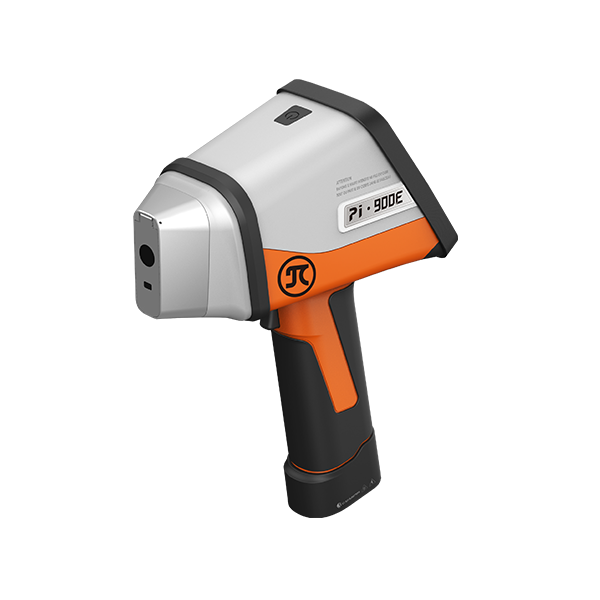
Handheld Alloy analyzer- Pi900E alloy analyzer
https://www.terra-scientific.com/pi900e.html
- Navigate the Global Market with Confidence
Meet International Standards: Reliable testing data is essential for documentation required under international trade regulations and certifications.
Verify Incoming Material: For yards that import or purchase from a wide network, an analyzer is your verification tool to ensure incoming shipments match their paperwork.
The Pi900E is a robust, portable XRF spectrometer that brings lab precision on-site. It quickly and non-destructively detects elements from K to U, ideal for instant alloy ID, scrap sorting, and contaminant screening. An intuitive touchscreen and Wi-Fi/USB connectivity simplify data reporting for QA/QC and environmental monitoring.
Terra Scientific is a high-tech manufacturer specializing in the development and application of X-ray technology products. We currently offer a range of XRF analyzer products to customers worldwide. We continue to provide services to global customers in the fields of machinery manufacturing, metal processing, mining geology, environmental protection, scientific research and other fields.
Contact: email:sales@terra-scientific.com
Phone:+8613426177171(whatsapp)
Website:https://www.terra-scientific.com