A home is one of the most valuable investments you’ll ever make, and maintaining its structural integrity should always be a top priority. One of the most overlooked yet critical areas of a home is the basement. Often hidden from daily view, basements are especially vulnerable to water intrusion, which can lead to serious damage over time. Basement waterproofing is not just a preventative measure—it’s an essential step in protecting your home, your health, and your finances.
If you’re unsure whether your home requires basement waterproofing, there are several warning signs that shouldn’t be ignored. In this comprehensive guide, we’ll walk you through the top signs your home needs basement waterproofing, why these issues occur, and how addressing them early can save you from costly repairs down the line.
- Persistent Dampness or Moisture
One of the earliest and most common signs of a basement problem is persistent dampness. If your basement feels humid or you notice moisture on walls or floors, it’s a clear indication that water is finding its way inside.
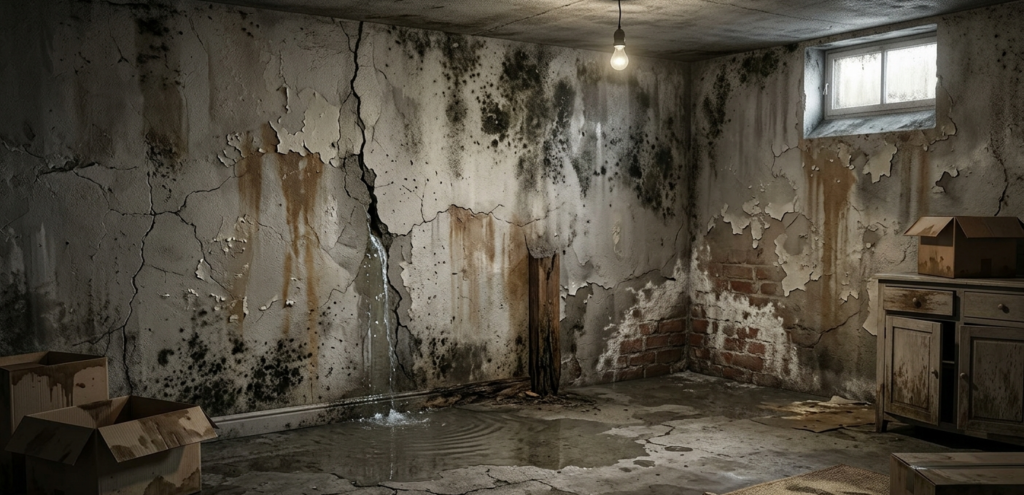
Moisture can seep through foundation walls due to hydrostatic pressure, poor drainage, or cracks in the structure. Even if the dampness seems minor, it can escalate quickly, leading to mold growth and structural deterioration.
Ignoring this sign can turn a manageable issue into a significant problem. Investing in professional basement waterproofing services ensures that the root cause is identified and resolved effectively.
- Musty Odors
A musty smell in your basement is more than just unpleasant—it’s often a sign of mold or mildew growth. These odors are caused by excess moisture, which creates the perfect environment for fungal growth.
Even if you can’t see mold, the smell alone indicates that moisture is present and needs to be addressed. Mold spores can spread throughout your home, affecting indoor air quality and potentially causing health issues such as allergies and respiratory problems.
Waterproofing your basement eliminates the conditions that allow mold to thrive, ensuring a healthier living environment for your family.
- Visible Mold and Mildew
When moisture problems persist, mold and mildew become visible on walls, ceilings, or stored items. Mold can appear as black, green, or white patches and often spreads quickly if not treated.
This is not just a cosmetic issue—it’s a serious health hazard. Mold exposure can lead to headaches, skin irritation, breathing difficulties, and more severe complications for individuals with weakened immune systems.
If you notice mold growth, it’s crucial to act immediately. Waterproofing your basement will address the moisture source, preventing mold from returning after removal.
- Cracks in Walls or Floors
Cracks in your basement walls or floors are a major red flag. While some small cracks may be due to normal settling, larger or expanding cracks can allow water to seep into your basement.
These cracks often develop due to pressure from surrounding soil, water accumulation, or shifting foundations. Over time, they can worsen, compromising the structural integrity of your home.
Waterproofing solutions typically include sealing cracks and reinforcing vulnerable areas to prevent further damage.
- Water Stains and Discoloration
Water stains on walls, floors, or ceilings are clear evidence of water intrusion. These stains often appear as yellowish or brownish patches and may grow larger over time.
Discoloration indicates that water has been entering your basement repeatedly, even if you haven’t noticed active leaks. This is a sign that your basement is not adequately protected against moisture.
Addressing these issues early with expert basement waterproofing solutions can prevent long-term damage and costly repairs.
- Efflorescence (White Powdery Residue)
Efflorescence is a white, chalky substance that appears on basement walls. It forms when water evaporates from the surface, leaving behind mineral deposits.
While efflorescence itself is not harmful, it’s a strong indicator that water is penetrating your basement walls. This means there’s an underlying moisture problem that needs to be addressed.
Waterproofing your basement will stop water from entering, eliminating the conditions that cause efflorescence.
- Peeling Paint or Wallpaper
If you notice paint or wallpaper peeling or bubbling in your basement, moisture is likely the culprit. Water trapped behind walls can cause finishes to deteriorate over time.
This issue not only affects the appearance of your basement but also signals deeper moisture problems that could impact the structure of your home.
Proper waterproofing ensures that walls remain dry, preserving both aesthetics and structural integrity.
- Standing Water or Flooding
Perhaps the most obvious sign that your basement needs waterproofing is the presence of standing water or flooding. Whether it occurs after heavy rain or due to plumbing issues, water accumulation should never be ignored.
Even occasional flooding can cause significant damage, including:
- Warped flooring
- Damaged furniture and belongings
- Electrical hazards
- Mold growth
Installing a comprehensive waterproofing system can prevent future flooding and protect your home from water-related disasters.
- High Humidity Levels
Basements naturally tend to be more humid than other parts of the home, but excessively high humidity levels can indicate a problem. If your basement feels damp or sticky, it may be due to poor ventilation or water intrusion.
High humidity can lead to condensation, which contributes to mold growth and damage to stored items.
Waterproofing your basement helps regulate humidity levels, creating a more comfortable and usable space.
- Rotting Wood and Structural Damage
Wooden structures in your basement, such as beams or support posts, are particularly vulnerable to moisture. Prolonged exposure to water can cause wood to rot, weakening the overall structure of your home.
Signs of wood rot include:
- Soft or spongy texture
- Discoloration
- Crumbling wood
Addressing moisture issues through waterproofing is essential to prevent structural damage and maintain the safety of your home.
- Increased Energy Bills
A damp basement can impact your home’s energy efficiency. Moisture in the air makes it harder to regulate indoor temperatures, causing your HVAC system to work harder.
This can lead to higher energy bills and unnecessary strain on your heating and cooling systems.
Waterproofing your basement helps maintain consistent indoor conditions, improving energy efficiency and reducing costs.
- Insect and Pest Infestations
Moist environments attract pests such as termites, cockroaches, and rodents. If you’re noticing an increase in pest activity in your basement, it could be due to excess moisture.
These pests not only cause damage but can also pose health risks.
Eliminating moisture through waterproofing makes your basement less appealing to pests, helping you maintain a cleaner and safer home.
- Deteriorating Foundation
Your home’s foundation is its backbone, and water intrusion can weaken it over time. Signs of foundation problems include:
- Uneven floors
- Doors and windows that stick
- Large cracks in walls
Waterproofing your basement protects your foundation from water damage, ensuring the long-term stability of your home.
- Frequent Plumbing Leaks
If your basement experiences frequent plumbing leaks, it can contribute to ongoing moisture issues. While fixing the plumbing is essential, it’s equally important to address any resulting water damage.
Waterproofing provides an added layer of protection, preventing leaks from causing long-term problems.
- Aging Waterproofing Systems
If your home already has a waterproofing system in place, it may not be as effective as it once was. Over time, systems can degrade, especially if they haven’t been properly maintained.
If you’re experiencing any of the signs mentioned above, it may be time to upgrade your waterproofing system.
Why Basement Waterproofing Matters
Basement waterproofing is more than just a home improvement project—it’s a crucial investment in your property’s longevity and value. By addressing moisture issues early, you can:
- Prevent costly repairs
- Improve indoor air quality
- Protect your belongings
- Increase property value
- Create a usable living space
Final Thoughts
Your basement plays a vital role in the overall health of your home, even if it’s out of sight. Ignoring the warning signs of water damage can lead to serious consequences, from structural issues to health risks.
By recognizing the top signs your home needs basement waterproofing, you can take proactive steps to protect your investment. Whether it’s persistent dampness, visible mold, or foundation cracks, addressing these issues early will save you time, money, and stress in the long run.
Don’t wait until minor problems turn into major headaches. Taking action today ensures a safer, healthier, and more durable home for years to come.