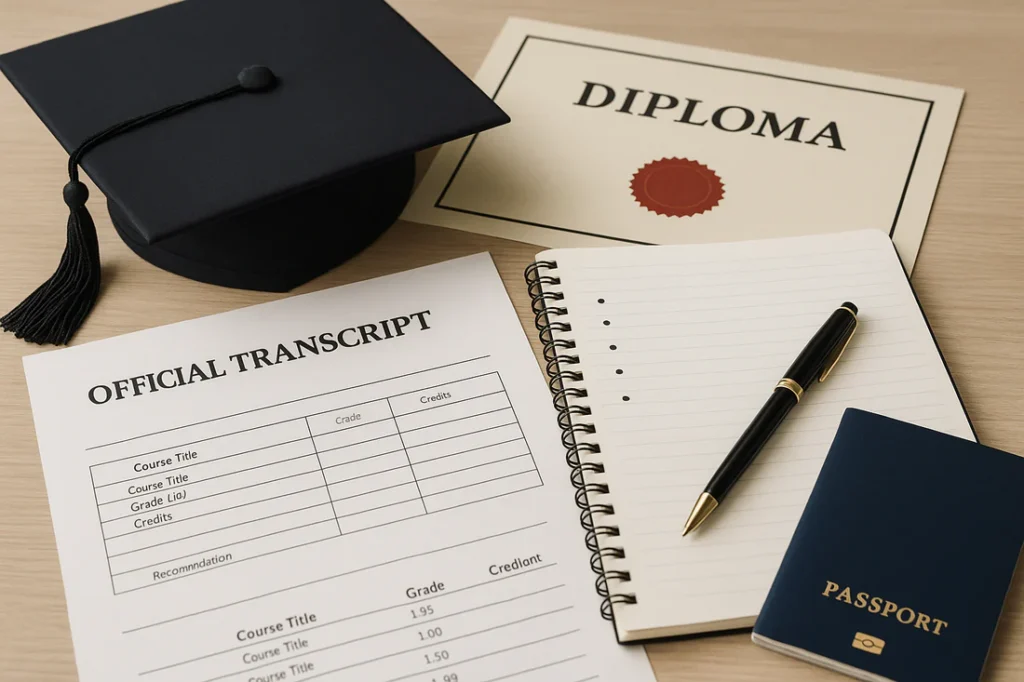
Diploma Translation Service: Why One Incorrect Word Can Delay Everything
|
Summary:
|
Most people never think about diploma translation until they are suddenly asked for it.
It usually happens during a major transition. Someone gets accepted into a university overseas. A visa application moves to the document stage. An employer abroad requests educational proof before confirming a role. Then comes the realization that academic records cannot simply be uploaded as they are.
They need to be translated properly.
At first glance, it sounds simple enough. A diploma is not a long document. Compared to contracts or legal paperwork, it may only contain a few lines. But that small document carries official weight, and small translation mistakes tend to create surprisingly large problems later.
That is one reason professional diploma translation service providers continue to see growing demand from students, professionals, and immigrants handling international paperwork.
Academic Documents Are More Sensitive Than They Look
People often assume translation is mostly about replacing words from one language with another.
Academic documents do not work that way.
A diploma contains terminology connected to a country’s education system, and educational structures vary widely across regions. A degree title in one country may not have a direct equivalent somewhere else. Even administrative wording differs between institutions.
That creates challenges during translation.
Something translated too literally can sound unnatural or unclear to admissions officers, employers, or immigration reviewers.
For example, distinctions, honors, certifications, and department names often require interpretation rather than direct conversion.
A proper diploma translation service focuses on preserving meaning, not just wording.
That difference matters more than people expect.
Students Usually Discover This the Hard Way
International students deal with academic translation constantly.
Applications often require:
- Diplomas
- Academic transcripts
- Marksheets
- Certificates
- Enrollment verification documents
And universities typically review thousands of applications at once. Admissions departments are not spending extra time trying to decode poorly translated paperwork.
If a document appears inconsistent or confusing, it can slow the review process quickly.
Some students try translating documents themselves using online tools or help from friends. That sometimes works for informal understanding, but official applications are different. Many institutions specifically request certified translations completed professionally.
Universities want confidence that academic records accurately reflect the original documents.
A reliable diploma translation service helps remove uncertainty during that process.
Immigration Paperwork Leaves Very Little Margin for Error
Educational records are commonly required for immigration-related applications too.
Depending on the country and visa category, applicants may need translated diplomas for:
- Residency applications
- Work permits
- Skilled migration programs
- Citizenship paperwork
- Credential evaluations
- Licensing approval
Immigration systems are heavily document-driven. Officers reviewing files compare details across multiple forms and records.
If information does not align properly, delays happen.
Sometimes the issue is surprisingly small.
A date gets formatted differently. A degree title changes slightly across documents. A translated institution name appears inconsistent. Those details may look harmless initially, but official reviewers often flag them immediately.
That is why document translation for official use requires more attention than casual translation work.
Machine Translation Still Misses Important Context
People naturally try free translation tools first because they are quick.
The problem is that academic translation depends heavily on context.
Automated systems often struggle with:
- Educational terminology
- Institutional language
- Formatting consistency
- Regional phrasing
- Official document structure
Even when the wording seems mostly correct, the final result may sound awkward to native speakers or unclear to evaluators reviewing the records.
Formatting becomes another issue.
Academic documents often include seals, signatures, tables, and structured layouts. Many online translation tools ignore those visual details completely, even though presentation matters during official review.
Professional diploma translation service providers usually recreate document structure carefully so translations remain easy to compare against originals.
That organization helps reviewers process paperwork faster.
Credential Evaluations Depend on Clarity
Many employers, universities, and professional licensing boards rely on credential evaluation agencies to assess foreign education.
Those agencies need clear academic information to determine how international qualifications compare to local standards.
Evaluators commonly review:
- Degree level
- Program duration
- Academic focus
- Institution type
- Graduation status
Poor translations create uncertainty during this process.
When terminology feels inconsistent or incomplete, evaluators sometimes request revised paperwork or additional clarification. That can add weeks to timelines that applicants are already anxious about.
A professional diploma translation service reduces the likelihood of those avoidable complications.
Translation Also Affects Professional Presentation
This part often gets overlooked.
Translated academic documents do more than communicate information. They also shape perception.
A document with awkward formatting, inconsistent wording, or visible translation errors may appear less credible, even if the underlying qualifications are legitimate.
Reviewers notice presentations quickly because they handle large volumes of paperwork every day.
Clean translations feel easier to trust because they are:
- Structured clearly
- Easy to read
- Consistent in terminology
- Properly formatted
That professionalism matters during competitive application processes.
Working Professionals Need Diploma Translation Too
Students are not the only people requesting academic translation anymore.
Professionals moving internationally for work often need translated educational records for:
- Job applications
- Industry licensing
- Certification programs
- Employment verification
- Government positions
Healthcare professionals, engineers, teachers, researchers, and technical specialists regularly submit translated diplomas while applying internationally.
Employers need to understand educational qualifications quickly without interpreting unfamiliar terminology themselves.
That is another reason professional translation has become increasingly important in global hiring environments.
Fast Translation Helps — But Accuracy Matters More
Deadlines create pressure during university admissions, immigration filings, and employment applications.
Naturally, applicants want documents translated as quickly as possible.
But rushed translations tend to create bigger problems later.
A diploma translated inaccurately may lead to document rejection, correction requests, or verification delays. Fixing those issues usually takes longer than completing the translation carefully in the first place.
Reliable diploma translation service providers balance speed with accuracy instead of prioritizing one completely over the other.
Because when official paperwork is involved, precision matters.
Conclusion
Educational documents may look simple on the surface, but they often play an important role in applications tied to education, employment, immigration, and licensing.
A clear and professionally translated diploma helps institutions understand qualifications without confusion, delays, or unnecessary back-and-forth communication.
For individuals looking for dependable academic document translation, The Spanish Group provides professional diploma translation services for official academic, immigration, and professional use.
FAQs
1. What is a diploma translation service?
A diploma translation service professionally translates academic documents like diplomas and transcripts into another language for official use.
2. Why do universities require translated diplomas?
Universities need accurate translations to properly review international educational qualifications during admissions.
3. Can machine translation tools handle diploma translation?
Machine tools often miss academic terminology, formatting, and context, which may create problems during official review.
4. Which documents are usually translated along with diplomas?
Transcripts, marksheets, certificates, and enrollment records are commonly translated together.
5. Are certified diploma translations necessary?
Many universities, immigration offices, and licensing organizations require certified translations for official applications.