Why Preventive Maintenance Beats Emergency Repairs Every Time
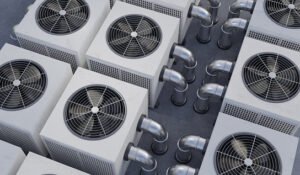
Here’s something most property owners learn the hard way — waiting for things to break costs way more than keeping them working. A small leak you ignore? That’s a $5,000 water damage bill waiting to happen. And don’t even get me started on what happens when you skip HVAC maintenance.
If you own rental property, preventive maintenance isn’t just smart. It’s basically required if you want to keep your investment profitable. A good Property Management Company San Jose, CA knows this inside and out. They’ve seen what happens when landlords take the “fix it when it breaks” approach.
Look, I get it. Spending money on stuff that’s “working fine” feels weird. But trust me on this — the seven maintenance tasks we’re covering will save you serious cash over time. We’re talking thousands of dollars in avoided repairs, longer-lasting systems, and way fewer 2 AM emergency calls from tenants.
1. HVAC Filter Changes and System Checks
Your heating and cooling system is probably the most expensive thing in your rental. And here’s the kicker — it’s also one of the easiest to maintain.
Change those filters every 1-3 months. Seriously, set a phone reminder. Dirty filters make your system work harder, which means higher energy bills and faster breakdown. Plus, tenants complain about poor air quality, and nobody wants that headache.
Get a professional tune-up twice a year — once before summer, once before winter. The tech will check refrigerant levels, clean coils, test electrical connections, and catch small issues before they become big ones. This simple step can add 5-10 years to your system’s life. That’s like getting a free HVAC system just for doing basic upkeep.
What This Saves You
A new HVAC system runs $5,000-$10,000. Annual maintenance? About $200-300. You do the math. One prevented breakdown pays for years of service calls.
2. Plumbing Inspections That Stop Disasters
Water damage is every landlord’s nightmare. And it almost always starts small — a slow drip here, a minor leak there.
Check under sinks and around toilets every few months. Look for moisture, stains, or that musty smell that means something’s wrong. Test water pressure at different fixtures. If it’s weak, you might have buildup in pipes that’ll eventually cause a clog.
Don’t forget the water heater. Flush it once a year to clear sediment. Check the temperature setting (120°F is usually right). Look for rust or leaks around the base. According to water heating experts, regular maintenance can double the lifespan of your unit.
And here’s something most people miss — know where the main water shutoff is, and make sure your tenants know too. When a pipe bursts, every second counts.
3. Roof and Gutter Maintenance
Your roof might last 20-30 years, but only if you actually take care of it. Ignoring it? You’re looking at replacing it way sooner.
Inspect your roof twice a year and after big storms. You’re looking for missing or damaged shingles, cracks in flashing, and any signs of water pooling. Catching these early means a $200 repair instead of a $15,000 replacement.
Clean those gutters at least twice a year — spring and fall. Clogged gutters overflow and dump water right against your foundation. That causes basement flooding, foundation cracks, and exterior damage. It’s all connected.
While you’re up there, trim back any tree branches hanging over the roof. They scratch shingles and dump leaves into gutters. Plus, they give squirrels and raccoons easy access to your attic. Not fun.
4. Appliance Servicing and Care
When you’re managing rental properties, appliances breaking means tenant complaints and repair bills. Both suck.
Refrigerators need their coils vacuumed every six months. Takes five minutes and prevents the compressor from overworking. Check door seals too — if they’re worn, the fridge runs constantly trying to stay cold.
Dishwashers should be cleaned monthly. Run an empty cycle with vinegar to clear buildup. Check the spray arms for clogs. Make sure the door latch works properly.
For washers and dryers, clean lint traps after every load (tell your tenants this). Check washing machine hoses for cracks or bulges. Those things burst and flood laundry rooms. Replace them every 3-5 years even if they look fine.
The Real Cost Savings
A new refrigerator costs $800-2,000. Regular maintenance adds 5+ years to its life. That’s real money staying in your pocket instead of going to the appliance store.
5. Exterior Maintenance and Weather Protection
Your property’s exterior takes a beating from weather year-round. Small problems become big ones fast.
Walk around your property every season. Look for cracks in siding, peeling paint, or damaged caulking around windows and doors. These let water in, which leads to rot, mold, and structural damage.
Check concrete walkways and driveways for cracks. They seem harmless until water gets in, freezes, and turns a small crack into a major repair job. Fill them while they’re still small.
Test outdoor faucets before winter. Drain them and shut off interior valves if you’re in a cold climate. Frozen pipes don’t just stop working — they burst and cause thousands in damage.
Property maintenance services near me often include seasonal exterior checks, which can prevent weather-related damage before it starts.
6. Smoke Detector and Safety Equipment Testing
This one’s not optional. It’s legally required in most places, and it’s just common sense.
Test smoke detectors and carbon monoxide detectors monthly. Replace batteries twice a year — most people do it when clocks change for daylight saving time. Replace the whole unit every 10 years even if it seems fine.
Check fire extinguishers annually. Make sure they’re properly charged and haven’t expired. Put them in obvious, accessible spots — usually kitchen and near bedrooms.
Inspect door locks and window latches. Security issues might not seem like “maintenance,” but tenant safety is part of your responsibility. Plus, it affects your liability insurance.
7. Regular Property Inspections
You can’t fix what you don’t know is broken. That’s why regular walkthroughs matter so much.
Do a thorough inspection every 3-6 months. Give proper notice to tenants (usually 24-48 hours). Look at everything — walls, floors, ceilings, fixtures, appliances, exterior, yard.
Take photos. Document everything. This protects you legally and helps you track changes over time. You’ll spot patterns — like that one bathroom that always has moisture issues.
Talk to your tenants during inspections. They live there. They notice things you don’t. A tenant mentioning “weird noise from the furnace” could save you from a complete system failure later.
Companies like North Door Property Management build these inspections into their service model, catching problems before they escalate into expensive emergencies.
Creating Your Maintenance Schedule
Here’s the thing about preventive maintenance — it only works if you actually do it. Set up a system that works for you.
Use a calendar app with reminders. Create a spreadsheet. Hire a property management company to handle it. Whatever works, just make it happen consistently.
Some tasks are monthly (HVAC filters, safety equipment), some are seasonal (gutters, exterior checks), and some are annual (HVAC tune-ups, water heater service). Write it all down and stick to the schedule.
Keep records of everything. When was the last HVAC service? What did they find? When did you replace the water heater? This info is gold when you’re trying to diagnose problems or selling the property.
The Math That Makes Maintenance Worth It
Let’s get real about costs. Annual preventive maintenance for a typical rental property runs about $1,000-2,000. Sounds like a lot, right?
Now compare that to emergency repairs. One HVAC replacement: $7,000. Major water damage: $5,000-15,000. New roof: $15,000-30,000. Foundation repair: $10,000+.
See where I’m going? You could do preventive maintenance for five years and still spend less than one major emergency repair. Plus, well-maintained properties rent faster, keep tenants longer, and command higher rents.
And here’s something most people don’t think about — your insurance company cares about maintenance too. Properties with documented maintenance histories often get better rates. Some insurers won’t even cover damage if you can’t prove regular upkeep.
When to DIY vs. Hire Professionals
Not everything needs a pro. Changing air filters, cleaning gutters, and testing smoke detectors? You can handle that stuff yourself or have a handyman do it.
But some things really need licensed pros. HVAC work, electrical issues, plumbing beyond basic fixes, and roofing — these aren’t DIY territory. The risk of doing it wrong is too high.
Property Management Company San Jose, CA services typically include maintenance coordination, which means they know which tasks need pros and which don’t. They’ve also got established relationships with contractors, which usually means better prices and faster service.
If you’ve got multiple properties or you’re not local, professional management makes even more sense. They handle the scheduling, follow-ups, and emergency calls so you don’t have to.
Frequently Asked Questions
How much should I budget for rental property maintenance annually?
Plan on about 1-2% of your property value per year for routine maintenance. So a $500,000 property needs $5,000-10,000 annually. This covers regular upkeep and minor repairs. Set aside another 1% for unexpected issues that pop up.
Can I charge tenants for maintenance issues they cause?
Yes, but only for damage beyond normal wear and tear. Document everything with photos and dates. A clogged drain from their hair? Usually their responsibility. Normal aging of paint and carpet? That’s on you. Keep detailed records and follow local laws about security deposit deductions.
What happens if I skip preventive maintenance?
You’ll pay more eventually. Systems break down faster, repairs cost more, and your insurance might not cover damage from neglect. Plus, tenants can legally withhold rent or break leases if you don’t maintain habitable conditions. It’s not worth the risk.
Should I use a property management company for maintenance?
Depends on your situation. If you’ve got multiple properties, live far away, or don’t have time for regular upkeep, management companies make sense. They handle scheduling, vendor relationships, and emergency response. For Rental Property Management San Jose CA owners, having local professionals manage maintenance means problems get fixed faster with less hassle.
How do I find reliable maintenance contractors?
Ask other landlords for recommendations. Check online reviews, but read them critically. Verify licenses and insurance before hiring anyone. Start with small jobs to test reliability before giving them bigger projects. Build relationships with contractors who do quality work — they’re worth their weight in gold.
Want more helpful information about property management? Check out additional resources that can help you become a better landlord and protect your investment for the long term.