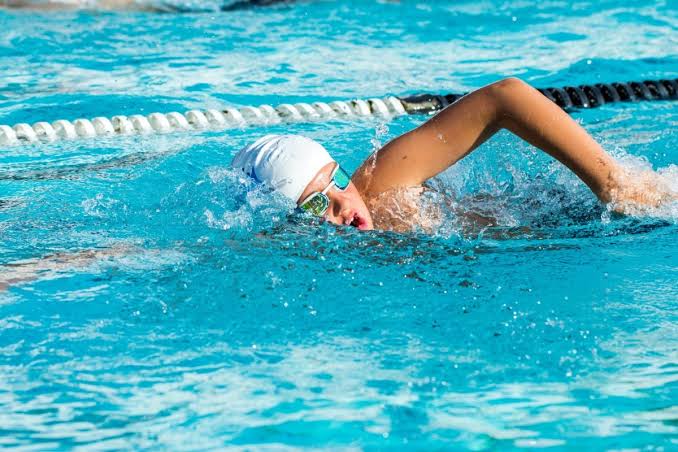
Swimming workouts for beginners provide you with a good workout all year round, which will make you physically fit without damaging your body. Your body will be working out from head to toe in the process, but when you finally perfect everything, you’ll be looking forward to it rather than dreading it.
Why Beginners Should Consider Swimming Workouts for Beginners
Okay, I understand. Any form of physical activity is going to feel a bit embarrassing to start with, particularly if you feel more ungainly than everyone else in the pool. But swimming workouts for beginners are different. You’re not pounding pavement or loading heavy weights that leave you sore for days. The water supports your body while still making you work.
Which means that you will be able to stick to the regimen, no matter how hectic the schedule becomes or regardless of the weather conditions. I have seen many people who had to drop other regimens but still continue swimming because it is fun. No ego bruising; just keep improving.
How to Start Easily and Stress Free
Do not complicate the first few lessons by overthinking anything. It is essential to learn how to float and breathe before anything else. Beginners always tend to resist any movements made by the water, making everything more complicated for them. Just relax and keep your shoulders positioned properly, and gently kick from your hips.
Build from there. You’ll be surprised how quickly comfort comes when you stop comparing yourself to the lane next to you.
Building Basic Technique That Lasts
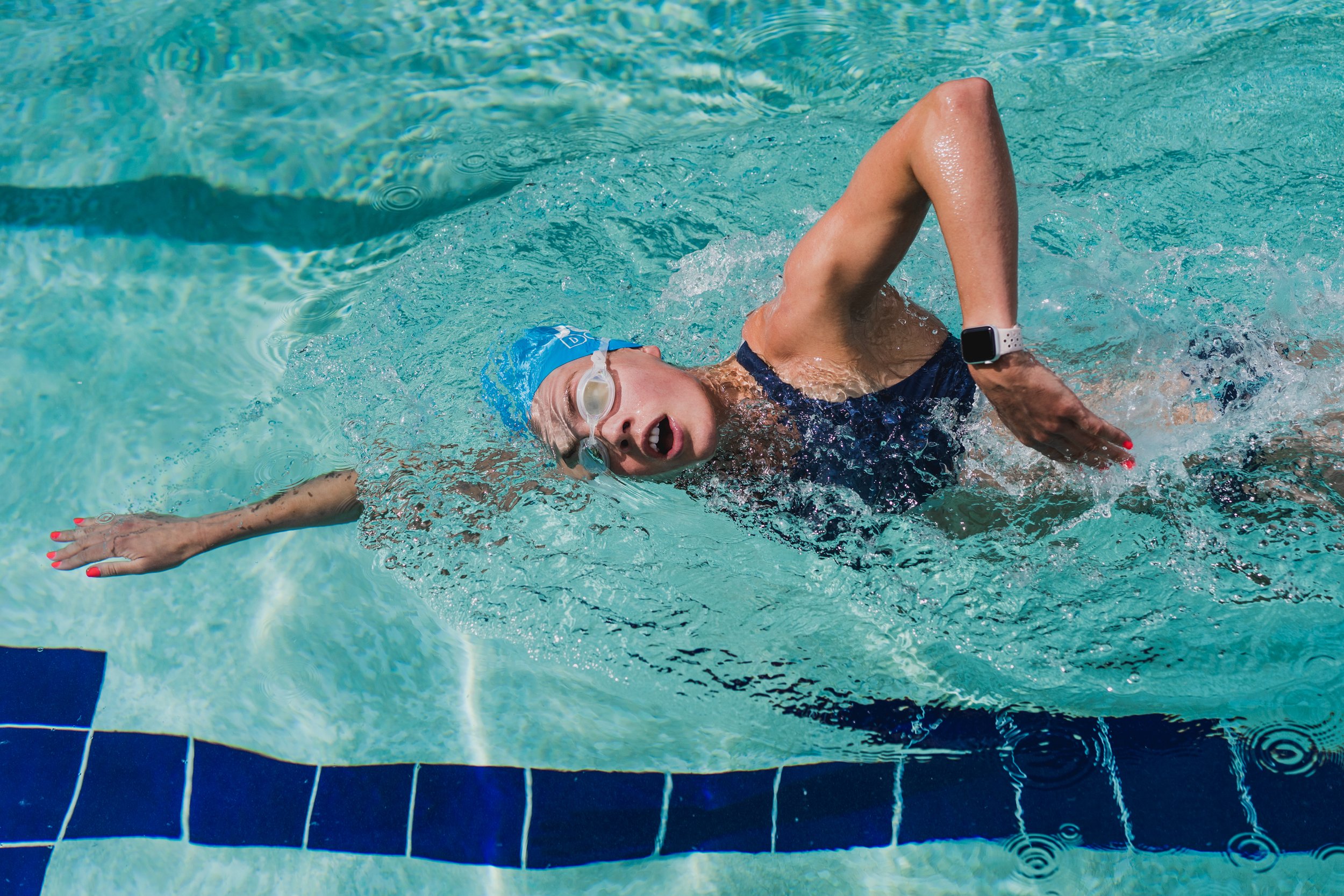
Technique matters more than most beginners realize. Nail body position early and everything else gets easier. Keep your core engaged so your hips don’t sink. That long line from head to toes cuts drag immediately.
I’ve seen new swimmers shave seconds off their laps just by fixing posture. It’s not flashy, but it works. Practice streamline glides off the wall too. Tight, pointed toes, arms stretched overhead. These small things add up fast in swimming workouts for beginners.
The Kick That Keeps You Moving
Legs often get ignored by beginners, but they’re huge for staying balanced. A decent flutter kick keeps your body high and moving forward. Start slow with a kickboard if you need to. Focus on loose ankles and power from the hips, not just knees.
You don’t need Olympic-level power right away. Consistent kick sets build endurance without trashing your arms. Mix it into every session. Your overall swim feels lighter almost immediately.
Breathing Without Panicking
Breathing trips up most new swimmers. Side breathing feels weird at first, no doubt. But once you get the rhythm, it changes everything. Exhale underwater steadily, then quickly inhale on the side.
Don’t hold your breath forever. That leads to tension and sloppy strokes. Practice bilateral breathing if you can, even if it’s messy early on. Good breathing keeps you relaxed and swimming longer, which is key for year-round consistency.
Making Swimming Part of Your Routine All Year
Here’s the real win with swimming workouts for beginners: weather doesn’t matter. Indoor pools exist in most towns. Rain, snow, heatwave? Doesn’t stop you.
Create your schedule around two good-quality training sessions per week. Some swimmers choose to train in the morning, whereas others prefer training in the evening because then it will be much quieter. The main thing is to pick the right schedule for yourself.
Using Various Exercises to Maintain Your Interest
Doing the same types of exercises in your training is rather boring. You should try various exercises, such as intervals, kick training, pull buoys, easy endurance training, and other things. Don’t forget to use various techniques while practicing.
In one week you concentrate on distances, in another week — on fast repetitions. This keeps things fresh and works different muscles. You’ll improve faster and actually look forward to pool time instead of dreading it.
Strength and Dryland Support
Swimming alone is great, but simple dryland work helps a ton. Core exercises, shoulder mobility, and light resistance training make your time in the water more effective. Nothing crazy. Planks, band pulls, and some bodyweight stuff go a long way.
You don’t necessarily need a gym membership. Many pools have small areas for this. Stronger supporting muscles mean better technique and fewer niggling injuries. It all adds up for long-term activity.
Tracking Progress Without Obsessing
Beginners often quit because they don’t see fast results. Track simple things like laps completed, how you feel after sessions, or easier breathing. Take notes on your phone after workouts.
Small wins matter. Maybe you swam further without stopping this week. Or your kick felt stronger. Celebrate that. Swimming improvement happens in layers, not overnight explosions.

Common Beginner Mistakes to Skip
Rushing distance before technique is a classic trap. Many push too hard early and burn out or get frustrated. Start controlled. Another big one is skipping warm-ups or cool-downs. The water feels nice but your muscles still need prep.
Listen to your body. Some soreness is normal, sharp pain isn’t. Rest days are part of the plan, not a failure.
Conclusion
Beginner’s swimming workouts can definitely help you remain active throughout the year provided that you practice it with some wisdom. It is definitely one of the best exercises available because of its regularity, minimal effect on the body and overall efficiency. Just stick to basics, be patient and you will see how effective this can be. If you want to progress faster, take a proper Swimming training program.