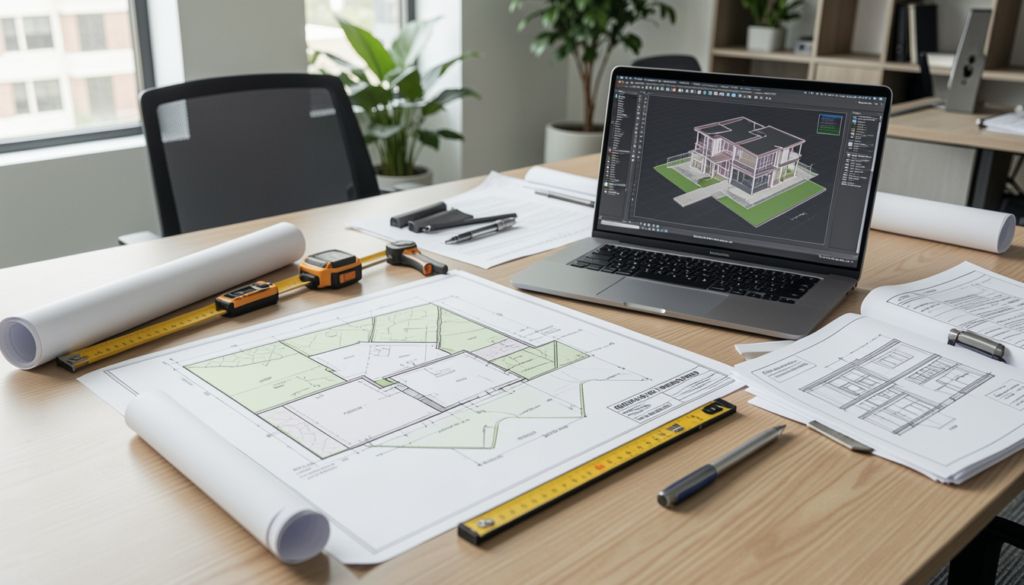
A well-prepared site plan is one of the most important documents required before starting a residential construction project. Whether you are building a new home, adding an extension, installing a garage, or making major property improvements, a detailed site plan helps authorities, contractors, and homeowners understand how the project fits on the property.
Many homeowners struggle with questions like what information a site plan should include, how accurate measurements need to be, and whether they need a plot plan for permit approval. Understanding the process makes construction planning easier and helps avoid delays during the approval stage.
This guide explains how to create a professional residential site plan, what details are required, and how site plans for permits differ from simple property drawings.
What Is a Residential Site Plan and Why Is It Important?
A residential site plan is a scaled drawing that shows the layout of a property and the proposed construction work. It provides a complete overview of the land, existing structures, utilities, boundaries, and planned improvements.
Local building departments use site plans to review whether a proposed project follows zoning regulations, setback requirements, safety standards, and property restrictions. Contractors and architects also rely on these drawings to understand site conditions before beginning construction.
A properly prepared site plan usually includes:
- Property boundaries and lot dimensions
- Existing buildings and structures
- Proposed new construction areas
- Driveways, sidewalks, and access points
- Utility locations
- Easements and setbacks
- Landscaping features
- North direction indicator
- Scale and measurement details
For many residential projects, a site plan is required before receiving a building permit. Submitting an incomplete drawing can lead to approval delays, additional corrections, or rejected applications.
Steps to Create a Site Plan for Residential Construction
Creating a professional site plan requires accurate information and careful preparation. The following steps can help homeowners and builders develop a clear drawing suitable for permit review.
1. Collect Property Information
The first step is gathering all available property details. Start with a property survey, deed information, or existing land documents. These records help identify exact lot boundaries, dimensions, and legal restrictions.
You should collect information about:
- Lot size and shape
- Property lines
- Existing structures
- Roads and nearby access points
- Utility connections
- Drainage areas
- Required setbacks
Accurate property information creates a strong foundation for preparing a reliable site plan.
2. Measure Existing Conditions
Before adding any proposed construction, document the current condition of the property. Measure the location and size of existing buildings, fences, driveways, trees, and other important features.
Measurements should include distances from property lines to existing structures. These details help determine whether the planned construction meets local regulations.
For example, if you are adding a new garage or home extension, the site plan should clearly show its location compared with existing buildings and required setback distances.
3. Add Proposed Construction Details
After documenting existing conditions, include the new construction plans. The proposed structure should be clearly marked and labeled.
Important details may include:
- Building footprint
- Exterior dimensions
- Proposed additions
- Parking areas
- New walkways
- Decks or patios
- Drainage improvements
The drawing should make it easy for reviewers to understand what currently exists and what changes are being proposed.
4. Follow Proper Scale and Formatting Requirements
A site plan must be easy to read and accurately represent the property. Most permit offices require drawings to follow a specific scale, such as 1 inch equals 20 feet or another approved measurement standard.
A professional site plan should include:
- Title of the project
- Property address
- Drawing scale
- North arrow
- Legend for symbols
- Date of preparation
- Owner or project information
Clear formatting improves communication between homeowners, contractors, and government reviewers.
Understanding Site Plans for Permits
Site plans for permits are created specifically to meet building department requirements. While a basic property sketch may show general information, a permit-ready site plan includes detailed measurements and construction information needed for official approval.
Permit reviewers typically check:
- Compliance with zoning rules
- Required building setbacks
- Lot coverage limits
- Access and parking requirements
- Utility placement
- Stormwater management considerations
Different locations may have different requirements, so it is important to check local guidelines before preparing a submission. Some projects may require professionally prepared drawings from architects, engineers, or qualified drafting specialists.
A complete permit site plan reduces the chance of application problems and helps move the construction process forward smoothly.
Site Plan vs Plot Plan: What Is the Difference?
The terms site plan and plot plan are often used interchangeably, but there can be differences depending on local requirements.
A plot plan is generally a simpler drawing that focuses on the relationship between a property, its boundaries, and existing or proposed structures. It is commonly used for permit applications to show where a building sits on the lot.
A site plan usually provides more detailed information, including:
- Property features
- Landscaping
- Utilities
- Access routes
- Drainage systems
- Construction improvements
When comparing site plan vs plot plan, the main difference is the level of detail. A plot plan may be enough for smaller approvals, while larger residential projects often require a more comprehensive site plan.
Understanding which document your local authority requires can save time and prevent unnecessary revisions.
Common Mistakes to Avoid When Creating a Site Plan
Many construction delays happen because site plans contain missing or inaccurate information. Avoiding common mistakes can make the approval process faster.
Some frequent issues include:
Incorrect Measurements:
Small measurement errors can affect setback calculations and permit approval.
Missing Property Details:
Leaving out utilities, easements, or existing structures may cause review problems.
Poor Drawing Quality:
Unclear labels, missing dimensions, or incorrect scale can make a plan difficult to approve.
Ignoring Local Requirements:
Every municipality may have different rules for site plans. Always confirm requirements before submission.
Working with accurate information and following official guidelines helps create a professional and acceptable site plan.
Conclusion: Create an Accurate Site Plan for a Successful Project
A residential site plan is more than just a drawing; it is a planning tool that connects homeowners, contractors, designers, and permit authorities. A detailed and accurate plan ensures that construction projects follow regulations and move forward without unnecessary delays.
Whether you need a plot plan for permit approval or complete site plans for permits, understanding the required information is essential. By collecting accurate property data, measuring existing conditions, adding proposed improvements, and following proper formatting standards, you can create a site plan that supports a successful residential construction project.
A professional site plan saves time, improves communication, and provides a clear roadmap from planning to completion.