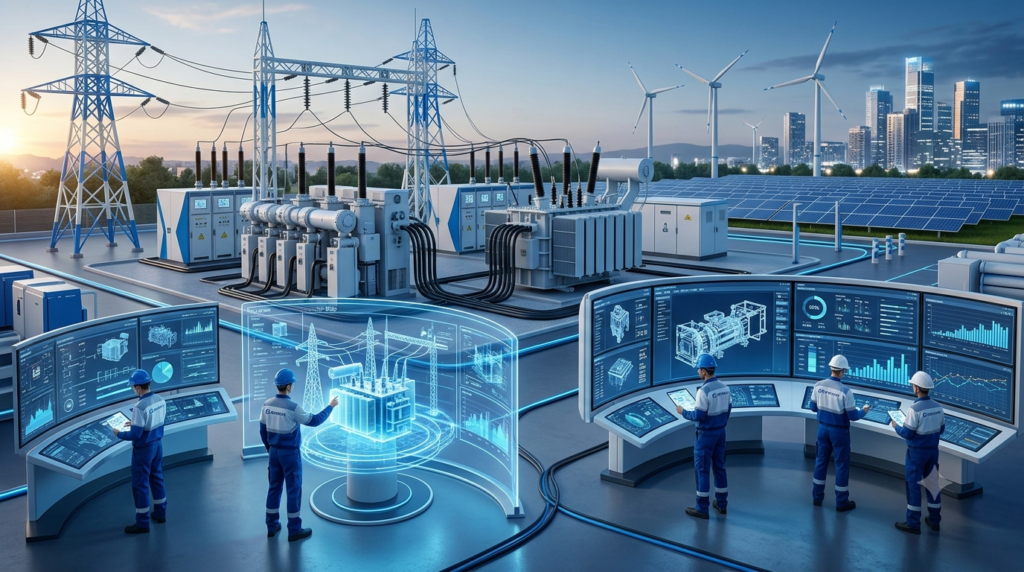
As industries, utilities, and infrastructure continue to evolve, the demand for reliable, efficient, and sustainable electrical systems has never been greater. Modern power networks must not only meet increasing electricity demands but also support renewable energy integration, minimize downtime, and ensure long-term operational reliability.
Achieving these goals requires careful planning, innovative engineering, and a deep understanding of power system performance. From substation engineering design to comprehensive electrical power system studies and optimized electrical substation layout, every stage of the engineering process contributes to building resilient electrical infrastructure capable of supporting a sustainable future.
The Importance of Reliable Electrical Systems
Reliable electrical systems are the backbone of modern society. Hospitals, manufacturing plants, data centers, commercial buildings, renewable energy facilities, and utility networks all depend on uninterrupted power to operate safely and efficiently.
Poorly designed electrical infrastructure can lead to:
- Unexpected power outages
- Equipment failures
- Increased maintenance costs
- Safety hazards
- Reduced energy efficiency
- Operational disruptions
Engineering reliable systems from the beginning helps organizations reduce risks, improve system performance, and maximize the return on their infrastructure investments.
Why Substation Engineering Design Matters
A substation serves as a critical connection point within the electrical transmission and distribution network. It transforms voltage levels, controls power flow, and protects equipment throughout the electrical system.
Professional substation engineering design focuses on creating substations that deliver safe, efficient, and dependable performance throughout their lifecycle.
A comprehensive design process typically includes:
- Load forecasting and system planning
- Equipment selection
- Protection and control system design
- Grounding system design
- Busbar configuration
- Cable routing
- Civil and structural coordination
- Compliance with national and international standards
Effective engineering ensures substations remain flexible enough to accommodate future expansion while maintaining high levels of operational reliability.
As renewable energy projects continue to grow, substations must also be designed to handle variable generation sources such as solar and wind power without compromising system stability.
The Role of Electrical Power System Studies
Before any electrical infrastructure is constructed or upgraded, engineers perform detailed electrical power system studies to evaluate how the network will perform under various operating conditions.
These studies provide valuable insights into system behavior and help identify potential problems before they become costly failures.
Some of the most important studies include:
Load Flow Analysis
Load flow studies determine voltage profiles, power losses, transformer loading, and system efficiency under normal operating conditions.
Short Circuit Analysis
Fault studies calculate potential fault currents to ensure protective devices can safely interrupt electrical faults and protect valuable equipment.
Protection Coordination Studies
Proper coordination between breakers, relays, and protective devices minimizes outage areas while ensuring rapid fault isolation.
Arc Flash Analysis
Arc flash studies identify potential hazards and establish safe working practices that protect maintenance personnel.
Motor Starting Analysis
Large industrial motors can create significant voltage dips during startup. Engineers analyze these impacts to ensure system stability.
By performing these studies during the design phase, organizations can improve reliability, increase safety, reduce operating costs, and prevent unexpected equipment failures.
Creating an Efficient Electrical Substation Layout
An optimized electrical substation layout is essential for achieving safe operations, simplified maintenance, and future scalability.
A well-planned layout considers far more than simply placing equipment within available space. Engineers evaluate electrical clearances, equipment accessibility, cable management, operational safety, environmental conditions, and future expansion requirements.
Key design considerations include:
- Safe equipment spacing
- Efficient cable routing
- Easy maintenance access
- Fire protection requirements
- Grounding network configuration
- Security and perimeter planning
- Environmental and climatic conditions
- Future equipment additions
A properly engineered layout reduces installation complexity while improving long-term operational efficiency.
Modern engineering tools also allow designers to create three-dimensional models, helping stakeholders visualize equipment placement and identify potential conflicts before construction begins.
Supporting Sustainability Through Smart Engineering
Sustainability extends beyond renewable energy generation. It also depends on designing electrical systems that operate efficiently for decades while minimizing waste and environmental impact.
Engineering plays a significant role in achieving these objectives.
Modern electrical systems contribute to sustainability by:
- Reducing transmission and distribution losses
- Improving equipment efficiency
- Supporting renewable energy integration
- Increasing grid reliability
- Extending equipment lifespan
- Minimizing maintenance requirements
- Lowering operational costs
- Reducing carbon emissions through optimized system performance
Digital substations, intelligent monitoring systems, and advanced automation technologies are transforming how electrical infrastructure is managed. Real-time monitoring allows operators to detect developing issues before they result in failures, reducing downtime and unnecessary maintenance.
As utilities move toward smarter electrical networks, engineering solutions continue to evolve to meet future energy demands while supporting environmental goals.
Best Practices for Long-Term Electrical System Reliability
Reliable infrastructure is not achieved through equipment selection alone. It requires a holistic engineering approach that considers every aspect of the electrical system throughout its lifecycle.
Successful projects typically follow several best practices:
- Perform detailed feasibility assessments before design begins.
- Conduct comprehensive electrical power system studies.
- Develop optimized electrical substation layouts.
- Design with future expansion in mind.
- Select equipment that complies with recognized industry standards.
- Integrate advanced protection and automation systems.
- Prioritize safety throughout design and construction.
- Implement preventive maintenance and condition monitoring strategies.
By following these principles, organizations can significantly reduce operational risks while maximizing system performance and asset longevity.
Partnering with Experienced Electrical Engineering Experts
Designing modern electrical infrastructure requires specialized knowledge, advanced analytical tools, and extensive industry experience. Every project presents unique technical, operational, and regulatory challenges that demand customized engineering solutions.
An experienced engineering partner understands how to balance technical performance, safety, reliability, cost-effectiveness, and sustainability throughout the project lifecycle.
Whether developing new substations, upgrading aging infrastructure, integrating renewable energy, or expanding industrial facilities, professional engineering services help ensure every system operates efficiently and remains dependable for years to come.
Conclusion
Reliable electrical systems are fundamental to economic growth, industrial productivity, and sustainable development. Through expert substation engineering design, detailed electrical power system studies, and carefully planned electrical substation layout, organizations can build resilient power infrastructure that meets today’s demands while preparing for tomorrow’s energy challenges.
As the global energy landscape continues to evolve, investing in well-engineered electrical systems is more important than ever. Thoughtful planning, rigorous analysis, and innovative engineering practices create infrastructure that delivers safe, efficient, and sustainable power for generations to come.