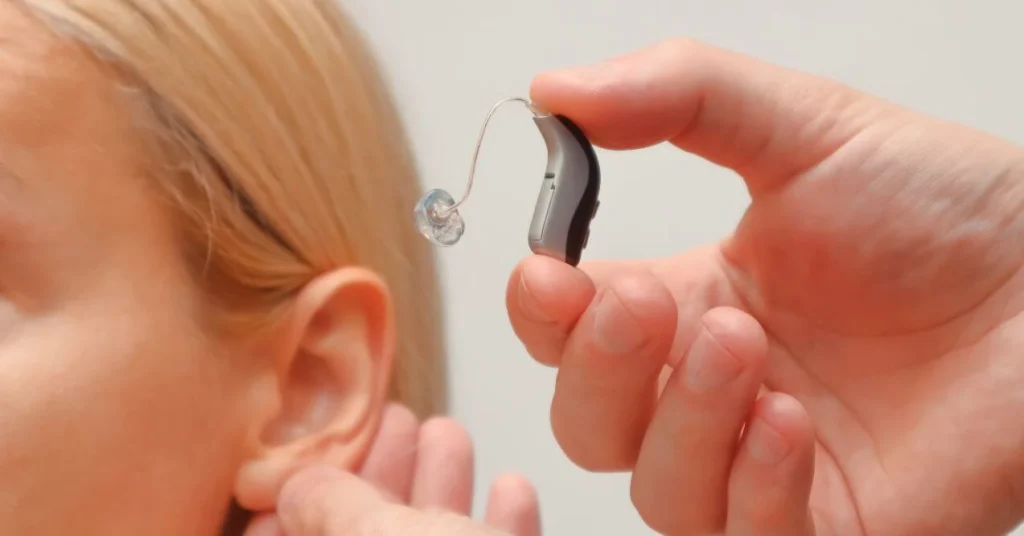
If you’re comparing the hearing aid price in Pakistan, the short answer is this: basic analog hearing aids usually start around PKR 18,000, while modern digital hearing aids can range from PKR 40,000 to PKR 700,000+ depending on technology, brand, fitting, and features. The final cost also changes if you need a custom mold, rechargeable batteries, Bluetooth streaming, or advanced noise reduction.
In Lahore, Karachi, Islamabad, and other major cities, clinics may bundle the hearing test, programming, follow-up visits, and warranty into the price. That is why two hearing aid models with similar specifications can still have very different price tags. A proper hearing assessment by a qualified audiologist should always come before purchase.
Hearing Aids Price in Pakistan at a Glance
| Hearing Aid Type | Estimated Price in Pakistan | Best For | Key Notes |
|---|---|---|---|
| Basic Analog Hearing Aid | PKR 18,000 – 40,000 | Mild hearing loss and tight budgets | Simple amplification, fewer features |
| Entry-Level Digital Hearing Aid | PKR 40,000 – 90,000 | Everyday conversations | Better speech clarity and noise control |
| Mid-Range Digital Hearing Aid | PKR 90,000 – 220,000 | Active users | More channels and stronger background noise reduction |
| Premium Digital Hearing Aid | PKR 220,000 – 700,000+ | Severe hearing loss and advanced needs | Bluetooth, AI sound processing, app control |
| Rechargeable Hearing Aid | PKR 80,000 – 500,000+ | Users who want easy charging | Less battery replacement hassle |
| Invisible-in-the-Canal (IIC) Hearing Aid | PKR 150,000 – 500,000+ | Users who want discreet fit | Custom-made and usually more expensive |
Important: Prices may vary between Lahore, Karachi, Islamabad, and other cities depending on the clinic, brand, warranty, and after-sales support.
What Affects Hearing Aid Price in Pakistan?
Several factors influence the cost of a hearing aid. Understanding them helps you compare models more confidently and avoid paying for features you do not need.
1. Digital vs. Analog Technology
Digital hearing aids process sound more intelligently than analog models. They reduce background noise, improve speech clarity, and adapt better to different environments.
Analog devices are cheaper, but they usually offer fewer adjustments and less natural sound quality. If you spend time in meetings, markets, or busy family settings, digital technology is usually worth the extra cost.
2. Degree of Hearing Loss
The severity of hearing loss has a direct impact on price. Mild hearing loss may only need a basic device, while moderate to profound hearing loss often requires stronger amplification and more advanced programming.
A hearing aid that is too weak will not help enough. A device that is too powerful can feel uncomfortable. That is why a hearing test matters before buying.
3. Hearing Aid Style
The style of the hearing aid also affects pricing.
Common styles include:
- Behind-the-Ear (BTE)
- Receiver-in-Canal (RIC)
- In-the-Ear (ITE)
- Completely-in-Canal (CIC)
- Invisible-in-the-Canal (IIC)
Smaller, more discreet hearing aids usually cost more because they require more precise engineering and custom fitting.
4. Smart Features and Accessories
Modern hearing aids may include:
- Bluetooth connectivity
- Smartphone app control
- Rechargeable batteries
- Automatic environment detection
- Wind noise reduction
- Speech enhancement
- AI-assisted sound processing
- Tinnitus masking
Each extra feature can increase the hearing aid price in Pakistan, but many users find the comfort and clarity worth it.
Types of Hearing Aids Available in Pakistan
Behind-the-Ear (BTE) Hearing Aid
BTE hearing aids are among the most commonly recommended devices in Pakistan. They are suitable for children, adults, and seniors with mild to profound hearing loss.
Advantages
- Durable design
- Long battery life
- Powerful amplification
- Easy maintenance
BTE models are often a practical choice for users who want reliability and easier handling.
Receiver-in-Canal (RIC) Hearing Aid
RIC hearing aids offer a natural listening experience while remaining lightweight and comfortable. They are popular among adults who want a balance of performance and appearance.
They are ideal for:
- Mild to severe hearing loss
- Daily office work
- Outdoor activities
RIC devices often provide excellent sound quality without feeling bulky.
In-the-Ear (ITE) Hearing Aid
ITE hearing aids fit directly inside the outer ear and are custom-made according to the patient’s ear shape.
Benefits include:
- Easy handling
- Larger controls
- Comfortable fit
They are a good option for users who want a custom device that is easier to manage than very small models.
Invisible-in-the-Canal (IIC) Hearing Aid
These are the smallest hearing aids available.
Advantages include:
- Nearly invisible appearance
- Comfortable fit
- Excellent cosmetic appeal
Because they require precise customization, they are generally among the most expensive options.
Which Hearing Aid Is Best for You?
The best hearing aid is not necessarily the most expensive one. The right device depends on your hearing test results, daily routine, and comfort level.
Your ideal device depends on:
- Your hearing test results
- Lifestyle
- Work environment
- Budget
- Dexterity
- Cosmetic preference
An audiologist will recommend the most suitable hearing aid after reviewing your hearing evaluation. That recommendation is usually more valuable than choosing a model based on price alone.
Popular Hearing Aid Features Worth Paying For
Modern hearing aids offer far more than simple sound amplification. Some features make a real difference in daily life, especially in noisy Pakistani environments.
Useful features include:
- Noise reduction
- Directional microphones
- Bluetooth streaming
- Rechargeable charging systems
- Feedback cancellation
- Automatic volume adjustment
- Voice enhancement
- Smartphone compatibility
- Water-resistant designs
While these features increase the hearing aid price in Pakistan, many users find they significantly improve comfort, communication, and confidence.
Buying Hearing Aids in Lahore, Karachi, or Islamabad
Major cities in Pakistan offer a wider selection of hearing aid clinics, audiology centers, and international brands. You will usually find more options for fitting, programming, and after-sales support in these cities.
When comparing providers, consider:
- Professional hearing assessment
- Device programming
- Trial period
- Warranty coverage
- Repair services
- Follow-up appointments
- Availability of batteries and accessories
Choosing a clinic that provides ongoing support is often more valuable than selecting the lowest-priced device. A hearing aid works best when it is adjusted properly over time.
Should You Buy Hearing Aids Online?
Buying hearing aids online may seem convenient, but it is rarely the best choice for first-time users.
Without a professional hearing assessment, there is a risk of purchasing a device that does not match your hearing loss. Poorly fitted hearing aids can reduce speech clarity and lead to discomfort.
For the best results, always begin with a comprehensive hearing evaluation and professional fitting. That step protects both your hearing and your budget.
Tips to Get the Best Value
Before making your purchase, keep these points in mind:
- Compare features instead of focusing only on price.
- Ask whether programming and fitting are included.
- Confirm the warranty duration.
- Check battery or charging costs.
- Schedule follow-up adjustments.
- Buy from a qualified hearing care provider.
A lower upfront price may not provide the best long-term value if ongoing support is limited. A well-fitted hearing aid often saves money over time because it performs better and needs fewer corrections.
Frequently Asked Questions
1. How long does a hearing aid last in Pakistan?
A quality hearing aid typically lasts 5 to 7 years with proper care, regular servicing, and routine cleaning. Lifespan varies depending on usage, moisture exposure, and maintenance.
2. Are hearing aid batteries easily available in Pakistan?
Yes. Hearing aid batteries and rechargeable accessories are widely available through audiology clinics, hearing care centers, and medical supply stores in major cities such as Lahore, Karachi, and Islamabad.
3. Do hearing aids come with a warranty in Pakistan?
Most reputable hearing aid providers offer warranties ranging from 1 to 3 years. Warranty terms vary by manufacturer and may cover repairs, manufacturing defects, or replacement components, so always review the coverage before purchasi
Final Advice Before Buying Hearing Aids
Understanding the hearing aid price in Pakistan helps you plan your budget, but choosing the right device should always be based on your hearing needs rather than price alone. A professionally fitted hearing aid can improve conversations, confidence, workplace communication, and overall quality of life.
Before making a purchase, book a complete hearing assessment with a qualified audiologist. A personalized evaluation ensures you receive the most appropriate hearing aid for your level of hearing loss, lifestyle, and budget.