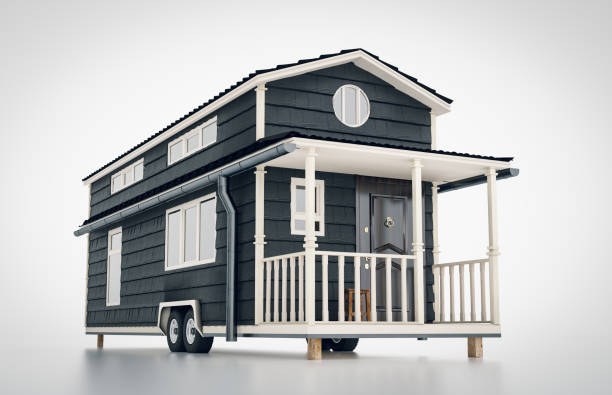
Concept of a mobile scandinavian tiny house isolated on white background. 3d rendering.
Building a tiny home is exciting. Most people spend hours thinking about layouts, windows, kitchens, and finishes. The foundation? That part usually gets pushed aside until later. But here’s the thing. If the base isn’t right, nothing above it really matters. Tiny house regulations also play a huge role in deciding what type of foundation makes sense, because local building requirements often influence everything from structural design to where the home can legally sit.
A strong foundation is more than concrete and steel. It’s what keeps your home level, protects it from moisture, helps it survive changing weather, and supports every pound resting on top. Choosing one isn’t about picking the cheapest option. It’s about matching the foundation to your land, your home, and how you actually plan to live.
Understanding Why the Foundation Matters
People sometimes assume a tiny home weighs so little that almost any surface will work. Not really. Even a compact home can weigh several tons once you add insulation, furniture, appliances, and people. That’s a lot of pressure concentrated into a small footprint.
A properly designed foundation spreads that weight evenly into the ground. It also reduces shifting over time. Nobody wants doors that won’t close after one winter or cracks running across interior walls because the home settled unevenly.
The foundation also helps protect against water intrusion. Moisture creeping underneath a structure leads to mold, wood rot, and expensive repairs. You don’t notice those problems overnight either. They build slowly, then suddenly they’re impossible to ignore.
Choosing Between Permanent and Mobile Foundations
One of the first questions is whether your tiny home will stay in one place or move occasionally.
Permanent foundations are common when the home is intended as a full-time residence. They provide excellent stability and often improve resale value. Depending on the region, they may also make financing and insurance easier to obtain.
Homes built on trailers offer flexibility. They can be relocated if needed, although that doesn’t mean moving is simple or inexpensive. Trailer-based homes also fall under different codes than permanent structures in many areas, so understanding local requirements before building saves plenty of headaches later.
Neither option is automatically better. The right choice depends on your long-term plans.
Understanding Your Building Site Before Digging
This is where people get impatient. They find a nice piece of land and want construction to start immediately.
Slow down.
Soil conditions matter more than many first-time builders realize. Clay expands and contracts. Sandy soil drains differently. Rocky ground creates its own challenges. Even slight slopes can affect which foundation performs best.
A basic soil evaluation may seem like another expense, but it’s much cheaper than repairing structural movement a few years later.
Drainage deserves equal attention. Water always finds the lowest point. If that point happens to be under your tiny home, you’re creating future problems without even realizing it.
Concrete Slab Foundations
Slab foundations remain one of the simplest options for permanent tiny homes.
They’re relatively affordable, quick to install, and provide solid support across the entire structure. Because the home sits close to the ground, there are fewer open spaces where pests can settle underneath.
The downside is access. Plumbing or utility repairs become harder once concrete has been poured. Making changes later often means cutting into the slab, which nobody enjoys doing.
Still, for flat lots with good drainage, slabs continue to be a practical solution.
Pier Foundations and Crawl Spaces
Pier foundations work well on uneven terrain or locations where drainage is a concern.
Instead of supporting the home across one large surface, concrete piers transfer weight into deeper, more stable soil. This leaves open space beneath the structure, making plumbing, electrical work, and inspections much easier.
The extra airflow underneath also helps reduce moisture buildup.
Of course, exposed undersides require proper insulation if winters are cold. Skip that step and heating costs climb fast.
Climate Should Influence Every Decision
Weather changes everything.
Areas with freezing winters require foundations that handle frost movement. Without proper depth, repeated freezing and thawing can slowly lift parts of the home unevenly.
Heavy rainfall creates different concerns. Standing water weakens soil and increases moisture problems beneath the structure.
In warmer climates, termites and excessive humidity become bigger issues.
There isn’t one universal foundation that works everywhere. Local experience matters. Builders familiar with regional conditions often catch problems before they become expensive mistakes.
Don’t Ignore Utilities and Future Maintenance
It’s easy to focus only on getting the home built.
Think ahead instead.
Water lines, sewer connections, electrical service, internet cables…they all need access. A foundation should allow repairs without turning a simple plumbing issue into a week-long construction project.
Maintenance matters too. Every foundation benefits from occasional inspections. Look for drainage issues, small cracks, shifting soil, or signs of moisture before they grow into larger repairs.
Doing a little every year beats replacing structural components later.
Balancing Budget With Long-Term Value
Everyone has a budget. That’s normal.
But choosing the cheapest foundation available rarely saves money over the life of the home. A quality foundation may cost more upfront, yet it protects nearly every other investment you’ve made.
Materials, labor, engineering, permits…they all contribute to the total cost. Spending wisely on the base often reduces maintenance expenses for years afterward.
If you’re comparing a tiny house for sale with building one yourself, pay close attention to the foundation details. A well-built base usually tells you a lot about the overall quality of the construction, even if it isn’t the first thing people notice during a walkthrough.
Conclusion
A tiny home may have a smaller footprint, but the decisions behind it are just as important as those for a traditional house. The foundation isn’t the flashy part of the project, and honestly, it probably never will be. Still, it’s carrying everything you own every single day.
Take time to understand your land, local building requirements, drainage, climate, and future plans before making the final decision. A solid foundation won’t just support your tiny home. It’ll protect your investment, reduce maintenance, and give you the confidence that your home is built to last. That’s worth getting right the first time.