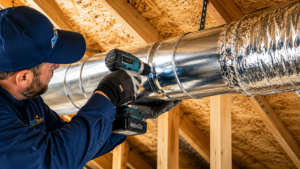
Home safety has become a growing priority for homeowners, builders, and property developers. While smoke alarms and security systems are common features in many houses, fire protection technology has also advanced significantly. One of the most effective solutions available today is a residential fire sprinkler system, which helps control fires quickly and reduce potential damage before emergency responders arrive.
As residential construction continues to evolve, many homeowners are looking for reliable safety features that provide long-term protection. Modern sprinkler systems are designed to activate when needed, deliver targeted water coverage, and provide an additional layer of security for families and properties.
Understanding How Residential Fire Sprinkler Systems Work
A residential sprinkler system is designed to detect and respond to heat caused by a developing fire. Unlike smoke alarms that only provide warnings, sprinkler systems actively help control flames by releasing water directly in the affected area.
Each sprinkler head works independently. When temperatures around a sprinkler reach a certain level, only the sprinkler closest to the fire typically activates. This approach helps limit water usage while focusing protection where it is needed most.
The system usually includes pipes, sprinkler heads, control valves, and a water supply connection. High-quality piping plays an important role because it needs to handle pressure, maintain durability, and provide reliable water flow during an emergency.
Why More Homes Are Installing Fire Protection Systems
Residential fires can spread quickly, especially in homes with modern materials, open floor plans, and increased electrical equipment. A small fire can become dangerous within minutes if it is not controlled early.
Installing a sprinkler system provides several benefits:
- Reduces fire growth during the early stages
- Helps protect residents and valuable belongings
- Limits structural damage
- Provides additional safety when occupants are asleep or away
- Supports modern construction safety standards
Many homeowners now consider fire protection systems an important investment rather than an optional upgrade. As awareness grows, builders are also including sprinkler solutions in new residential projects.
The Importance of Quality Fire Sprinkler Pipes
The performance of any sprinkler system depends heavily on the quality of its components. Pipes are responsible for transporting water throughout the building, so they must meet durability and performance requirements.
When selecting materials for a sprinkler installation, factors such as corrosion resistance, pressure handling capability, and long-term reliability should be considered. Poor-quality materials may affect system performance and increase maintenance requirements over time.
For homeowners, contractors, and developers researching reliable options, choosing suitable residential fire sprinkler system components can help ensure consistent protection and dependable operation. Companies such as Baolai Steel provide fire sprinkler pipe solutions designed for different construction requirements, helping professionals build safer residential environments.
Benefits of Installing a Sprinkler System in Residential Properties
Faster Fire Control
The biggest advantage of a sprinkler system is its ability to respond quickly. A fire that is controlled during its early stages is less likely to cause extensive damage.
Unlike relying only on firefighters arriving after a fire has spread, sprinklers provide immediate action. This quick response can make a significant difference in protecting lives and reducing repair costs.
Improved Family Safety
A fire can create dangerous conditions before occupants have enough time to escape. Sprinkler systems provide an additional safety measure by helping slow fire development.
For families with children, elderly residents, or individuals with limited mobility, having an active fire protection system can provide greater peace of mind.
Reduced Property Damage
Many people assume sprinkler systems create major water damage, but controlled activation usually results in significantly less damage compared with a fully developed fire. Since individual sprinkler heads activate based on heat exposure, water is directed only where it is needed.
Reducing fire intensity can help preserve furniture, electronics, structural materials, and personal belongings.
Choosing the Right Sprinkler System for a Home
Different residential properties have different fire protection needs. Factors such as house size, building design, local regulations, and water supply availability should be evaluated before installation.
Common considerations include:
Property Layout
Larger homes may require more sprinkler heads and carefully planned pipe networks. Open layouts, multiple floors, and high-ceiling areas may require specialized designs.
Building Materials
The materials used in walls, ceilings, flooring, and furniture can influence fire risk. A properly designed sprinkler system should match the characteristics of the property.
Professional Installation
Proper installation is essential for system reliability. Qualified professionals can calculate water requirements, position sprinkler heads correctly, and ensure the system complies with applicable safety standards.
Maintenance Requirements for Home Sprinkler Systems
Like any safety equipment, sprinkler systems require regular inspection and maintenance. A well-maintained system is more likely to perform correctly during an emergency.
Homeowners should consider:
- Checking sprinkler heads for damage or blockage
- Inspecting control valves regularly
- Ensuring storage items do not obstruct sprinkler coverage
- Scheduling professional inspections when recommended
- Monitoring changes to the home’s structure or water supply
Regular maintenance helps identify potential issues before they affect system performance.
How Fire Safety Trends Are Changing Residential Construction
The construction industry is placing more emphasis on integrated safety solutions. Energy-efficient materials, smart home technology, and advanced security systems are becoming standard features in modern properties.
Fire protection is following the same trend. Many homeowners now want solutions that combine safety, reliability, and convenience. Smart monitoring features can also help property owners receive alerts about system conditions and maintenance needs.
As building codes continue to develop, fire sprinkler systems are becoming more common in residential projects. This shift reflects a broader focus on creating safer living spaces.
Working With Reliable Fire Protection Suppliers
Selecting dependable suppliers is an important step when planning a residential fire protection project. Quality materials help installers create systems that perform effectively under emergency conditions.
Professional suppliers should provide products that meet industry requirements and support different project specifications. Builders and contractors often look for manufacturers with experience in producing durable sprinkler components.
A trusted supplier can help ensure that every part of the system, from pipes to fittings, contributes to reliable fire protection.
Common Questions About Residential Fire Sprinkler Systems
Are residential sprinkler systems only necessary for new homes?
While many new homes include sprinkler systems during construction, existing homes can also be upgraded with fire protection solutions. Installation options depend on the property’s design and available infrastructure.
Do all sprinkler heads activate during a fire?
No. Most residential systems are designed so that only sprinkler heads exposed to sufficient heat activate. This helps reduce unnecessary water usage.
Are sprinkler systems expensive to maintain?
Maintenance costs are generally manageable compared with the potential expense of fire damage. Regular inspections and proper care help keep the system working effectively.
Can sprinkler systems protect against all types of fires?
Sprinkler systems are designed to control many common residential fires, but they work best as part of a complete safety strategy that includes smoke alarms, emergency plans, and safe household practices.
Conclusion
Fire safety is an essential part of creating a secure home environment. Modern sprinkler technology offers homeowners a practical way to improve protection, reduce fire damage, and create safer living spaces.
By choosing reliable materials, professional installation, and regular maintenance, residential properties can benefit from stronger fire prevention measures. As safety expectations continue to increase, sprinkler systems will remain an important feature in the future of residential construction.