An efficient air conditioning system depends on every component working together properly. While many property owners focus on the AC unit, the ductwork connected to the system plays an equally important role in delivering comfortable temperatures throughout a building.
Over time, air conditioning ducts can become damaged, outdated, poorly insulated, or inefficient. Cracks, leaks, loose connections, and deteriorating materials can reduce airflow and prevent your AC system from operating at its best.
Professional air conditioning duct replacement provides a long term solution by removing old or damaged ductwork and installing a new system designed for improved airflow, efficiency, and comfort.
Whether you are dealing with uneven temperatures, increasing energy bills, poor airflow, or an ageing duct system, replacing your air conditioning ducts can help restore your HVAC performance.
This guide explains what air conditioning duct replacement involves, signs that your ducts need replacement, benefits, the installation process, costs, and how to choose the right professional service.
What Is Air Conditioning Duct Replacement?
Air conditioning duct replacement is the process of removing existing ductwork and installing a new air distribution system.
Ducts are responsible for carrying cooled or heated air from your HVAC unit to different rooms throughout your property. When ducts become damaged or inefficient, air may escape before reaching the areas where it is needed.
A professional duct replacement service includes:
Inspecting the existing duct system
Identifying airflow problems
Removing old ductwork
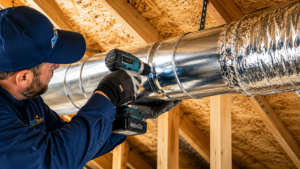
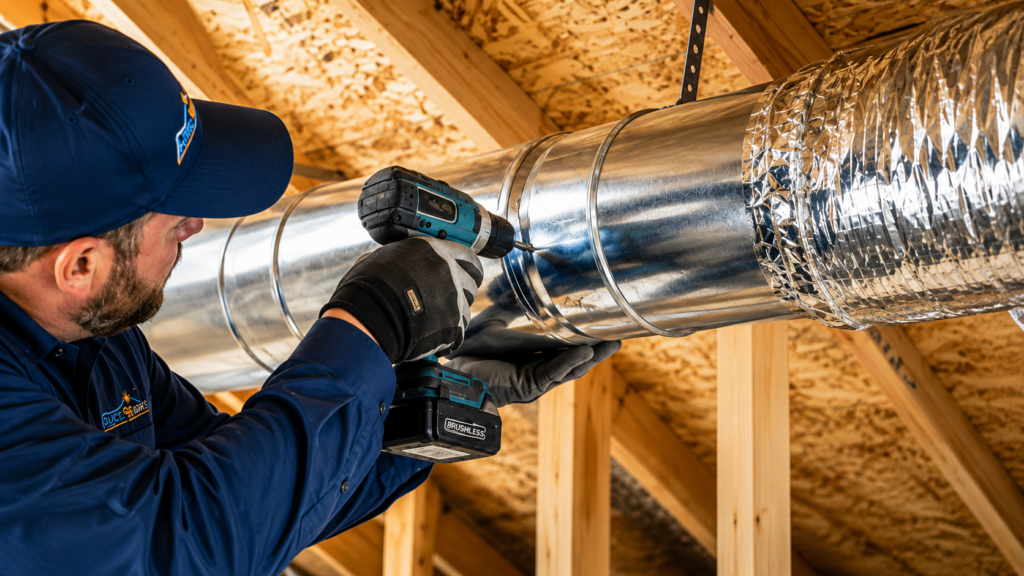
Installing new ducts
Testing system performance
The purpose of replacement is to create a more efficient pathway for air movement and improve the overall performance of your HVAC system.
Why Air Conditioning Duct Replacement Is Important
Many people assume replacing the AC unit alone will solve comfort problems. However, damaged ductwork can continue affecting performance even with a new air conditioner.
Old or inefficient ducts can cause:
Reduced airflow
Uneven room temperatures
Higher energy consumption
Poor indoor comfort
Extra pressure on the AC system
Indoor air quality issues
Replacing damaged ductwork helps your HVAC system deliver conditioned air more effectively.
Signs You Need Air Conditioning Duct Replacement
Knowing when duct replacement is required can help prevent ongoing problems and unnecessary energy waste.
Here are common signs that your duct system may need replacement.
Uneven Heating and Cooling
One of the most common signs of duct problems is inconsistent temperature throughout your property.
You may notice:
Some rooms feel warmer than others
Certain areas receive less airflow
Cooling takes longer than expected
Temperature changes between rooms
These issues may indicate that your ducts are leaking, damaged, or incorrectly designed.
Weak Airflow From Vents
Reduced airflow from vents often indicates a problem within the duct system.
Possible causes include:
Collapsed ducts
Air leaks
Poor insulation
Blocked sections
Age related damage
If airflow remains weak despite AC maintenance, replacement may be necessary.
Rising Energy Bills
Damaged ducts can significantly reduce HVAC efficiency.
When conditioned air escapes through cracks or leaks, your system must run longer to maintain comfortable temperatures.
This can lead to:
Higher electricity usage
Increased operating costs
Reduced system efficiency
New ductwork can help improve air delivery and reduce energy loss.
Visible Damage to Ductwork
Some duct problems are easy to identify.
Signs may include:
Cracked duct surfaces
Loose sections
Damaged insulation
Sagging flexible ducts
Rust or deterioration
Visible damage often indicates that repairs may not be enough and complete replacement may provide better results.
Excessive Dust and Poor Air Quality
Old duct systems can collect dust, debris, and contaminants over time.
Damaged ducts may allow these particles to circulate through your property.
You may notice:
More dust around rooms
Dirty air vents
Unpleasant smells
Reduced indoor air freshness
Replacing old ducts can help create a cleaner air distribution system.
Frequent Duct Repairs
If you regularly repair the same duct problems, replacement may be more cost effective.
Repeated issues may indicate:
Ageing duct materials
Poor installation
Widespread damage
An inefficient design
A professional inspection can help determine whether replacement is the better option.
Benefits of Air Conditioning Duct Replacement
Replacing your duct system offers several advantages for residential and commercial properties.
Improved Airflow Distribution
New ductwork allows air to move more effectively throughout your property.
Improved airflow can provide:
Better temperature balance
More comfortable rooms
Faster cooling and heating
Reduced airflow problems
A properly designed duct system helps your HVAC unit perform efficiently.
Increased Energy Efficiency
Leaking and damaged ducts waste conditioned air.
New ducts with proper sealing and insulation reduce air loss and improve system performance.
Benefits include:
Lower energy waste
Reduced AC workload
Improved efficiency
Better temperature control
Enhanced Indoor Comfort
A comfortable property requires consistent airflow.
Air conditioning duct replacement can help reduce:
Hot spots
Cold areas
Uneven cooling
Poor air circulation
A balanced duct system creates a more comfortable living or working environment.
Reduced HVAC Stress
When ductwork is inefficient, your air conditioner must work harder.
This additional strain can affect:
System performance
Maintenance needs
Equipment lifespan
Replacing old ducts helps your AC system operate more effectively.
Better Indoor Air Quality
Old duct systems may contain accumulated dust and debris.
New ductwork can help reduce areas where contaminants collect and improve overall air circulation.
This is especially beneficial for:
Homes
Offices
Commercial buildings
Properties with indoor air concerns
Better Long Term Value
Although duct replacement requires an investment, it can provide long term benefits.
These include:
Improved comfort
Reduced energy waste
Fewer airflow issues
Better HVAC performance
A more reliable air conditioning system
Air Conditioning Duct Replacement Process
Understanding the replacement process helps property owners know what to expect.
Initial Inspection and Assessment
The first step involves a detailed inspection of the current duct system.
Professionals evaluate:
Duct condition
Airflow performance
Insulation
Connections
System design
This assessment helps determine the correct replacement approach.
Duct Replacement Planning
After inspection, technicians create a replacement plan based on your property requirements.
Factors considered include:
Property size
Room layout
HVAC capacity
Airflow needs
Energy efficiency goals
Proper planning ensures the new system performs effectively.
Removing Existing Ductwork
Old or damaged ducts are carefully removed.
Professionals take precautions to protect:
HVAC equipment
Ceilings
Walls
Surrounding structures
The removal process prepares the property for new duct installation.
Installing New Ductwork
New ducts are installed according to the planned design.
Installation involves:
Connecting duct sections
Sealing joints
Installing insulation
Checking airflow pathways
Proper installation is essential for achieving maximum efficiency.
Testing and System Balancing
After installation, the system is tested.
Technicians check:
Airflow levels
Temperature distribution
Duct connections
Overall performance
Adjustments may be made to ensure the system operates correctly.
Types of Air Conditioning Duct Systems
Different properties may require different duct materials and designs.
Flexible Ducts
Flexible ducts are commonly used in residential applications.
Benefits include:
Easy installation
Flexible design
Suitability for difficult spaces
However, they must be installed correctly to maintain good airflow.
Sheet Metal Ducts
Sheet metal ducts are durable and commonly used in commercial buildings.
Advantages include:
Strong construction
Long lifespan
Smooth airflow
They are suitable for systems requiring durability and reliability.
Insulated Duct Systems
Insulated ducts help maintain air temperature during distribution.
They can improve:
Energy efficiency
Temperature control
Noise reduction
The best option depends on your property requirements.
Air Conditioning Duct Replacement for Residential Properties
Homes often require duct replacement due to ageing systems, renovations, poor installation, or ongoing comfort issues.
Residential replacement may benefit:
Older houses
Large homes
Multi level properties
Renovated homes
Townhouses
New duct systems can improve comfort and help create more consistent temperatures throughout the home.
Air Conditioning Duct Replacement for Commercial Buildings
Commercial properties rely on efficient HVAC systems to maintain comfortable environments.
Duct replacement may be required for:
Offices
Retail spaces
Warehouses
Restaurants
Large facilities
Poor duct performance can affect:
Employee comfort
Customer experience
Energy costs
A professional replacement service helps businesses maintain reliable climate control.
Air Conditioning Duct Replacement Cost Factors
The cost of replacing air conditioning ducts depends on several factors.
Important considerations include:
Property size
Number of rooms
Duct layout
Material selection
Accessibility
Installation complexity
Amount of existing damage
A professional assessment provides the most accurate pricing information.
Choosing the Right Air Conditioning Duct Replacement Service
Selecting an experienced HVAC professional is important for achieving quality results.
Consider these factors before hiring a contractor.
Experience and Expertise
Choose a provider with experience in duct systems and HVAC installation.
Experienced technicians understand:
Airflow requirements
Duct design
Installation methods
System compatibility
Professional Inspection
A reliable contractor should inspect your existing duct system before recommending replacement.
This ensures the solution matches your actual needs.
Quality Materials
The quality of duct materials affects:
Performance
Durability
Efficiency
Choose professionals who use suitable materials designed for your property.
Clear Communication and Pricing
A trustworthy contractor should explain:
The replacement process
Materials used
Expected timeline
Costs involved
Clear information helps avoid unexpected issues.
Maintaining Your New Duct System
After replacement, regular maintenance helps protect your investment.
Helpful practices include:
Changing air filters regularly
Scheduling HVAC inspections
Keeping vents clean
Monitoring airflow
Addressing issues early
Proper maintenance supports long term performance.
Final Thoughts
Your duct system plays a critical role in the performance of your air conditioning system. Damaged, outdated, or inefficient ductwork can reduce comfort, increase energy costs, and place unnecessary stress on your HVAC equipment.
Professional air conditioning duct replacement provides a reliable solution by improving airflow, efficiency, and indoor comfort.
Whether you are experiencing uneven temperatures, weak airflow, rising energy bills, or frequent duct problems, a professional inspection can help determine the right solution.
Investing in quality duct replacement allows your HVAC system to operate more effectively while creating a more comfortable and efficient indoor environment.
Frequently Asked Questions
What is air conditioning duct replacement?
Air conditioning duct replacement involves removing old or damaged ductwork and installing new ducts to improve airflow, efficiency, and HVAC performance.
How do I know if my AC ducts need replacement?
Signs include weak airflow, uneven temperatures, rising energy bills, visible damage, excessive dust, frequent repairs, and poor system performance.
How long does air conditioning duct replacement take?
The installation time depends on property size, duct complexity, accessibility, and the amount of work required. A professional can provide a timeframe after inspection.
Is replacing ducts better than repairing them?
Replacement is usually recommended when ducts are old, severely damaged, poorly designed, or require repeated repairs. Minor issues may only need repairs.
Can new ducts reduce energy costs?
Yes. Properly installed ductwork can reduce air leakage and help your HVAC system operate more efficiently.
How long do air conditioning ducts last?
Duct lifespan depends on materials, installation quality, maintenance, and environmental conditions. Regular inspections help identify when replacement is needed.
Does duct replacement improve air quality?
Replacing damaged ducts can reduce dust accumulation and improve airflow throughout your property.
How much does air conditioning duct replacement cost?
The cost depends on property size, duct materials, accessibility, system design, and installation requirements. A professional quote provides the most accurate estimate.