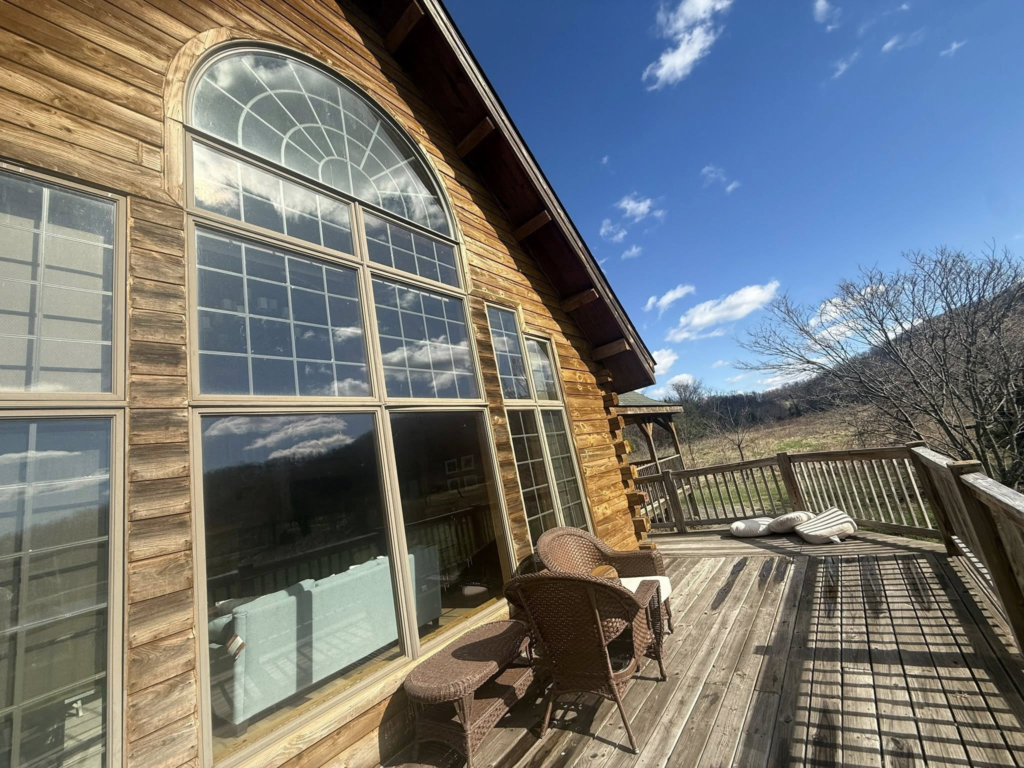
When people think about wood damage, they usually picture old cabins with rotting logs or termite infestations that got way out of hand. Truth is, the problems often start much earlier and they’re a lot easier to stop than fix. Regular inspections, a little maintenance, and paying attention to warning signs go a long way. Even something as simple as log home caulking can help keep moisture out before it turns into a much bigger issue. Skip the basics for too long, though, and wood has a habit of reminding you why that was a bad idea.
Moisture Is Still the Biggest Enemy
If there’s one thing that causes more wood damage than anything else, it’s moisture. Rain, melting snow, poor drainage, leaking gutters, even heavy humidity. It all adds up over time. Wood naturally expands and contracts as moisture levels change, and when it stays wet for too long, decay starts creeping in. It doesn’t usually happen overnight. That’s what catches people off guard. A tiny leak behind a wall or water splashing against exterior logs for years can quietly weaken the whole structure before anyone notices. Keeping gutters clean, directing water away from the foundation, and sealing exposed wood makes a real difference. Simple stuff, but it works.
Insects Never Need an Invitation
Termites get most of the attention, but they aren’t the only pests that love wood. Carpenter ants, powderpost beetles, and carpenter bees all create their own kind of damage. Sometimes they’re after the wood itself. Sometimes they’re just making a place to live. Either way, they’re bad news. The frustrating part is that infestations often stay hidden until the damage becomes visible. By then, repairs can get expensive fast. Regular inspections, especially in damp or shaded areas, help catch problems early. It’s easier to deal with a few insects than replacing structural beams later.
Poor Ventilation Speeds Up Decay
A surprising number of wood problems begin because air isn’t moving where it should. Crawl spaces, attics, basements, and enclosed wall cavities can trap moisture for months. Warm, damp air creates the perfect environment for mold and fungal growth, both of which slowly break down wood fibers. Good ventilation isn’t flashy. Nobody really talks about it until something goes wrong. But adding vents, improving airflow, or using dehumidifiers in problem areas can extend the life of a wood structure by years. Maybe longer.
Sun Exposure Can Be Just as Harmful
People usually worry about rain. Fair enough. But constant sunlight is rough on wood too. UV rays dry out the surface, causing cracks, fading, and splitting over time. Those small surface cracks eventually allow water to penetrate deeper into the wood, creating the perfect cycle for damage. Exterior stains and protective finishes aren’t only about appearance. They act like sunscreen for wood, helping slow weathering while adding another barrier against moisture. Reapplying finishes every few years isn’t exciting work, but neither is replacing damaged siding.
Neglected Maintenance Turns Small Problems Into Big Ones
Most structural damage starts small. A cracked seal. One loose board. A tiny gap where water sneaks inside. People notice these things, then life gets busy. Weeks become months. Months become years. Suddenly that minor repair has become a major renovation. That’s usually how it goes. Walking around the property once or twice a year and actually looking closely at the wood can prevent thousands of dollars in repairs. Touch up finishes, replace damaged boards, reseal joints. None of it takes very long, honestly.
Foundation and Drainage Problems Affect Wood More Than You Think
Water doesn’t have to fall from the sky to damage wood. Poor grading around a building can direct water straight toward the foundation, allowing moisture to seep upward into framing members or support posts. Over time, persistent dampness weakens structural integrity and encourages fungal decay. If the soil stays saturated after every storm, that’s a sign something needs attention. Extending downspouts, improving drainage, or adjusting the landscape can reduce moisture before it ever reaches the wood. Sometimes the fix is surprisingly simple.
Low-Quality Repairs Often Create New Problems
Not every repair improves a structure. Quick patches with the wrong materials or poor installation methods can actually trap moisture where it shouldn’t be. Covering damaged wood instead of addressing the underlying cause usually delays the problem rather than solving it. Temporary fixes have their place during emergencies, sure, but long-term durability comes from doing the repair correctly the first time. Quality sealants, proper flashing, and compatible wood treatments matter more than many homeowners realize.
Professional Help Can Save Time and Costly Repairs
There comes a point where experience matters. If logs are shifting, structural beams show signs of rot, or water damage keeps returning despite repairs, getting expert advice is worth it. Searching for log cabin contractors near me Winchester Virginia isn’t just about finding someone with tools. It’s about finding professionals who understand how wood structures behave over time, know where hidden damage tends to develop, and can recommend repairs before problems spread further. Spending a little on expert guidance now often prevents much bigger repair bills later.
Conclusion
Wood structures are built to last, but they aren’t maintenance-free. Moisture, insects, poor ventilation, harsh sunlight, drainage issues, and neglected repairs all chip away at a building little by little. The good news is that most of these problems are preventable when they’re caught early. A consistent maintenance routine, protective treatments, and paying attention to small warning signs will keep wood stronger for years to come. Ignore those signs, though, and wood has a way of making sure the problem eventually gets your attention. Usually at the worst possible time.