PRP for joint pain
If you’ve been dealing with an achy knee, a stiff shoulder, or hip pain that just won’t quit, you’ve probably heard about platelet rich plasma therapy, better known as PRP. It’s one of the most talked about regenerative treatments for joint pain right now, and for good reason. It uses your own blood to help your body repair itself, without surgery or long term medication use.
But if you’re considering PRP, you probably have one big question. How long does PRP take to work for joint pain?
The short answer is that most patients start noticing changes within two to six weeks, with fuller results building over three to six months. The real answer depends on a handful of factors we’ll walk through below, including which joint is involved, how active you are, and how your body tends to heal.
At Proactive Choice in Bend, Oregon, we work with a lot of active patients: runners, skiers, mountain bikers, and weekend warriors who want relief that actually lasts, not just a quick fix. This guide breaks down what to expect from PRP for joint pain, week by week, so you can make an informed decision about your treatment.
What Is PRP Therapy and How Does It Work?
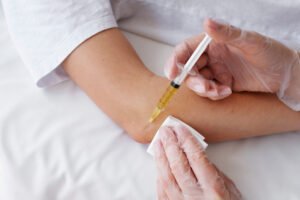
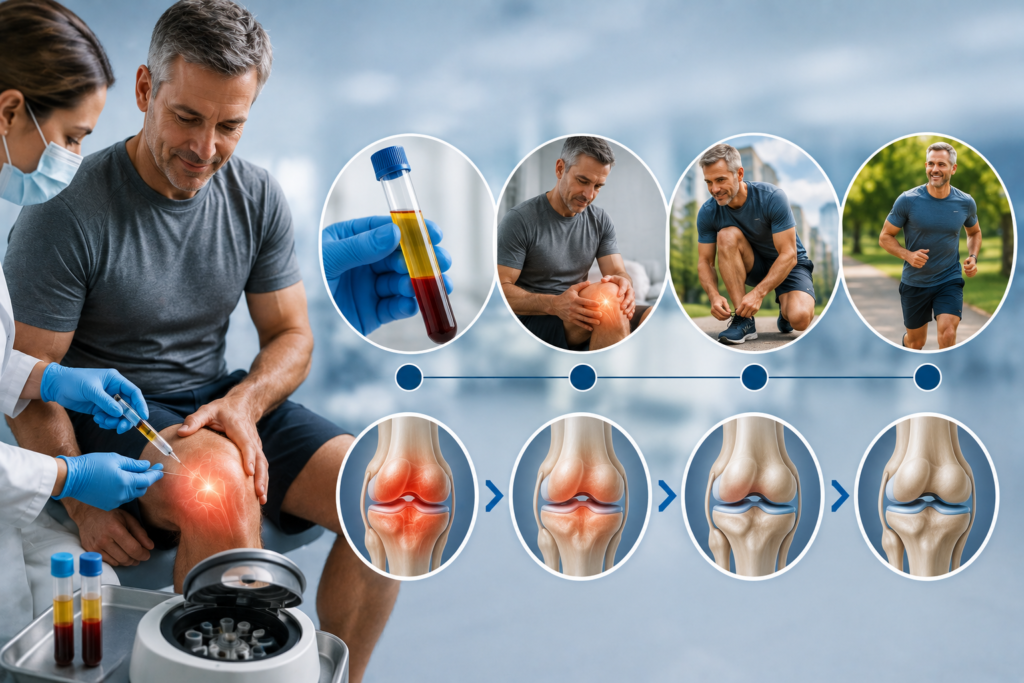
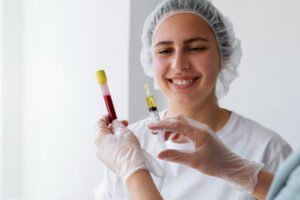
Platelet rich plasma therapy starts with a small blood draw, similar to a routine lab test. That blood is spun in a centrifuge to concentrate the platelets, and the concentrated plasma is then injected directly into the injured or arthritic joint.
Platelets are best known for helping blood clot, but they also release growth factors that tell your body to start repairing damaged tissue. When injected into a joint, these growth factors can help:
- Calm inflammation in the joint capsule
- Support repair of tendons, ligaments, and cartilage
- Encourage new blood vessel formation around the injury site
- Kick start the body’s natural healing response over time
Because PRP comes from your own blood, the risk of allergic reaction or rejection is very low compared with synthetic injections.
How Long Does PRP Take to Work for Joint Pain? A Realistic Timeline
PRP isn’t an instant fix like a cortisone shot, which can numb pain within a day or two but wears off without addressing what’s actually wrong. PRP works more gradually because it’s triggering a real healing response in your tissue. Here’s what that process generally looks like.
Week 1 to 2: The Initial Inflammation Phase
Right after the injection, it’s common to feel some soreness, swelling, or stiffness in the joint. This is a normal, expected part of healing. The injection intentionally causes a mild inflammatory response to jump start tissue repair, so some patients actually feel a bit worse for a few days before they start feeling better.
Week 2 to 6: Early Improvement
Most patients begin noticing less pain and better mobility somewhere in this window. This is when the growth factors are actively supporting tissue repair and new collagen formation. Improvement at this stage tends to be gradual rather than dramatic, so patience matters here.
Week 6 to 12: Continued Healing
By the second and third month, many patients report noticeably less pain, an easier time with daily activities, and a better range of motion. This is often when the results of a single PRP session become much clearer.
Month 3 to 6: Peak Results
Tissue remodeling keeps going for months after the injection. Many patients see their fullest results between three and six months out, once collagen has matured and joint function has settled into place.
| Timeframe | What’s Happening | What You Might Feel |
| Days 1 to 5 | Healing response begins | Soreness, mild swelling, stiffness |
| Weeks 2 to 6 | Growth factors stimulate repair | Gradual pain reduction |
| Weeks 6 to 12 | Collagen and tissue remodeling | Noticeably less pain, better mobility |
| Months 3 to 6 | Tissue maturation completes | Peak improvement, more stable results |
What Affects How Fast PRP Works?
Not everyone heals on the same schedule. A few things shape your personal timeline.
1. Which Joint Is Being Treated
Smaller joints under less daily stress, like fingers or elbows, sometimes respond faster than large, weight bearing joints such as the knee or hip. Those bigger joints carry more mechanical load every day, so they simply take longer to remodel.
2. How Severe the Underlying Condition Is
Mild to moderate osteoarthritis or early stage tendon damage tends to respond more predictably than advanced joint degeneration. PRP works best as an early or mid stage intervention, not as a last resort once a joint is severely worn down.
3. Number of PRP Sessions
Many patients need more than one PRP session to get the results they’re after. A common approach is a series of two to three injections spaced several weeks apart, which often produces more consistent healing than a single treatment on its own.
4. Your Overall Health and Lifestyle
Several everyday factors influence how well your body heals, including:
- Nutrition and hydration
- Sleep quality
- Overall inflammation levels, including diet driven inflammation
- Smoking and alcohol use
- Activity level during recovery
- Underlying conditions like diabetes, which can slow healing
5. What You Do After the Injection
Following your provider’s guidance on activity, gentle movement, and physical therapy after PRP can make a real difference in how quickly and completely you recover.
PRP Compared to Other Joint Pain Treatments
| Treatment | Onset of Relief | Duration of Effect | Addresses the Root Cause? |
| Cortisone injection | 1 to 3 days | Weeks to a few months | No, it reduces inflammation only |
| Hyaluronic acid (gel shots) | 1 to 2 weeks | 3 to 6 months | No, it lubricates the joint |
| PRP therapy | 2 to 6 weeks, building over months | Often 6 to 12+ months, varies by patient | Yes, it stimulates tissue repair |
| Physical therapy alone | Weeks to months | Ongoing with maintenance | Partly, it strengthens supporting muscles |
| Joint replacement surgery | Weeks of post surgical recovery | Years | Yes, it replaces the damaged joint |
PRP sits in a middle ground. It takes longer to show results than a steroid shot, but it’s working toward actual tissue repair instead of simply masking the pain.
What Joint Conditions Respond Well to PRP?
PRP therapy is commonly used for:
- Knee osteoarthritis
- Rotator cuff tendinopathy and general shoulder pain
- Hip osteoarthritis
- Tennis elbow and golfer’s elbow
- Achilles tendinopathy
- Plantar fasciitis
- Mild to moderate ligament injuries
Patients with active lifestyles, including hikers, cyclists, skiers, and runners here in Central Oregon, often turn to PRP to manage overuse injuries and early arthritis without having to step away from the activities they love for months at a time.
What Does Current Research Say About PRP Timelines?
Clinical research on PRP for joint pain, especially knee osteoarthritis, has generally shown that benefits build gradually instead of appearing right away. Some studies comparing PRP with hyaluronic acid injections have found that while both treatments can offer similar relief in the short term, PRP tends to show more favorable results at longer follow up points, such as six months to a year out. Research in this area is still evolving, and outcomes vary depending on injection protocol, patient population, and how the PRP itself is prepared. That’s part of why choosing an experienced provider matters so much.
It’s also worth knowing that PRP isn’t FDA approved as a drug therapy in the traditional sense. It’s regulated as part of a medical procedure that uses your own biological material. This is exactly why PRP should be performed by a qualified clinical team following evidence informed protocols, rather than treated as an off the shelf product.
What to Expect During Your PRP Treatment, Step by Step
- Consultation and evaluation. Your provider reviews your joint pain history, any available imaging, and your overall health to see if PRP is a good fit for you.
- Blood draw. A small blood sample is taken, much like a routine lab draw.
- Centrifugation. The blood is spun in a centrifuge to separate and concentrate the platelets.
- Injection. The concentrated plasma is injected into the joint, often with ultrasound guidance for accuracy.
- Initial recovery, days 1 through 5. Mild soreness and swelling are normal. Rest and some activity modification are usually recommended.
- Follow up care. Your provider may recommend physical therapy, activity guidelines, or additional PRP sessions based on how you’re progressing.
- Progress check ins. Follow up visits track your improvement over the following weeks and months.
How to Support Faster Healing After PRP
- Avoid anti inflammatory medications like ibuprofen for the period your provider recommends, since they can blunt the very healing response PRP is designed to trigger.
- Stay hydrated and get enough protein to support tissue repair.
- Follow your activity restrictions closely for the first one to two weeks.
- Ease back into movement gradually rather than jumping straight into high impact activity.
- Attend any physical therapy sessions your provider recommends.
- Keep your follow up appointments so your provider can track healing and adjust your plan if needed.
Checklist: Are You a Good Candidate for PRP?
- You have joint pain from mild to moderate osteoarthritis, a tendon injury, or a ligament strain
- You’ve already tried conservative treatments without lasting relief
- You want to avoid or delay surgery
- You understand this isn’t an overnight fix and you can commit to the healing timeline
- You don’t have an active infection or certain blood disorders, and you’re not on blood thinners without medical clearance
- You’re willing to follow post treatment activity guidelines
- If most of these sound like you, PRP may be worth discussing with a provider who has real experience in regenerative orthopedic treatments.
PRP for Joint Pain in Bend, Oregon
Bend’s outdoor lifestyle means a lot of local patients deal with joint wear and tear from years of running the Deschutes River Trail, skiing at Mt. Bachelor, mountain biking Phil’s Trail, or logging miles on the area’s endless hiking routes. Joint pain here often isn’t from sitting still. It’s from staying active, which makes protecting joint function especially important.
At Proactive Choice, our functional and regenerative medicine approach looks beyond the joint itself. We evaluate inflammation, hormone balance, nutrition, and overall metabolic health, since all of these play a role in how well your body heals after a PRP injection. For Bend patients who want to stay active through their 40s, 50s, 60s, and beyond, this whole body approach often makes a real difference in both how quickly PRP works and how long the results last.
If you’re local to Bend or anywhere in Central Oregon, our team can walk you through whether PRP fits your specific joint issue and your activity goals.
Key Takeaways
- PRP for joint pain typically shows early improvement within two to six weeks, with fuller results developing over three to six months.
- Unlike cortisone shots, PRP works by stimulating real tissue repair rather than temporarily masking pain.
- Multiple PRP sessions, spaced several weeks apart, often produce more consistent results than a single injection.
- Your joint type, condition severity, overall health, and post injection activity all shape your healing timeline.
- PRP works best for mild to moderate joint conditions and tends to work even better alongside a broader approach to inflammation and overall health.
Frequently Asked Questions
How long does PRP take to work for knee pain specifically? Most patients notice initial improvement in knee pain within four to six weeks, with continued improvement over three to six months as tissue remodeling progresses.
Is it normal to feel worse before feeling better after PRP? Yes. Mild soreness or swelling in the first few days is a normal part of the healing response and doesn’t mean the treatment isn’t working.
How many PRP sessions will I need? It varies by patient and condition, but many providers recommend a series of two to three injections spaced three to six weeks apart for the best results.
Does PRP hurt? Most patients describe mild discomfort during the injection, similar to a typical shot, with some soreness for a few days afterward.
How long do PRP results last? Results vary, but many patients report benefits lasting from six months to over a year, especially when combined with supportive lifestyle habits.
Can I exercise after PRP treatment? Light activity is usually fine after the first few days, but high impact exercise should be avoided for at least one to two weeks, or as long as your provider recommends.
Is PRP covered by insurance? PRP is often considered elective and may not be covered by insurance. Check with your provider’s office for current pricing and payment options.
Who is not a good candidate for PRP? Patients with active infections, certain blood disorders, or those on specific blood thinning medications may not be candidates. A consultation helps determine eligibility.
Can PRP delay or prevent joint replacement surgery? For some patients with mild to moderate joint degeneration, PRP may help manage symptoms and delay the need for surgery, though it isn’t a guaranteed substitute for surgery in advanced cases.
Does PRP work for everyone? No treatment works exactly the same for every patient. How well PRP works depends on the condition being treated, how severe it is, and individual healing factors.