Effective organisation is essential in workplaces where products, supplies, and daily tasks need accurate tracking. Whether managing food preparation, inventory, medical supplies, or business operations, clear identification helps improve efficiency and reduce mistakes.
One simple but highly effective organisational tool is Day Labels. These labels help businesses identify dates, track usage periods, manage stock rotation, and maintain better workflow systems.
Day labels are commonly used in restaurants, commercial kitchens, supermarkets, healthcare facilities, warehouses, and offices where accurate date tracking is important.
By clearly displaying the day or date information, these labels help employees quickly understand when products were prepared, stored, opened, or need to be used.
This complete guide explains what day labels are, their benefits, common uses, different types, how businesses use them effectively, and frequently asked questions.
What Are Day Labels?
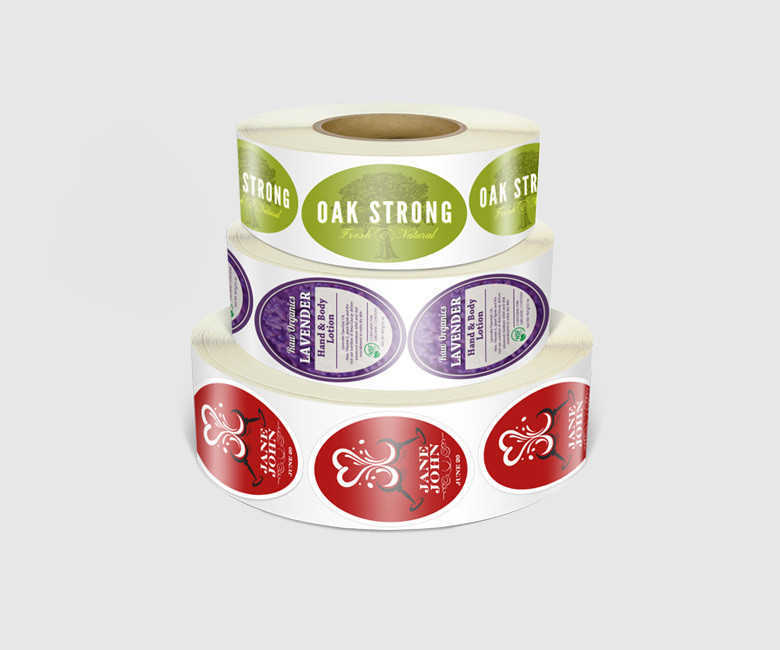
Day Labels are adhesive identification labels designed to display specific days, dates, or time-based information for products, containers, documents, or workplace items.
They are commonly used as part of organisation and tracking systems to help businesses monitor:
- Preparation dates
- Expiry information
- Storage periods
- Inventory rotation
- Daily tasks
Day labels may include information such as:
- Days of the week
- Calendar dates
- Preparation times
- Staff initials
- Product details
They are available in different formats, materials, and designs depending on the industry and application.
Why Are Day Labels Important?
Clear identification systems help businesses maintain accuracy and efficiency.
Day labels provide several important benefits.
Improves Organisation
Without proper labelling, it can become difficult to track when products were created, opened, or stored.
Day labels help employees quickly identify important information and organise items more effectively.
They reduce confusion by providing clear visual information.
Supports Food Safety Practices
Food businesses rely heavily on accurate date tracking.
Restaurants, cafes, and commercial kitchens use day labels to monitor:
- Food preparation dates
- Storage periods
- Freshness
- Rotation schedules
Proper labelling helps staff follow food handling procedures more effectively.
Reduces Product Waste
Poor inventory management often leads to expired or unused products being discarded.
Day labels help businesses follow a first-in, first-out approach by making it easier to identify older stock.
This can help reduce unnecessary waste and improve cost control.
Improves Workplace Efficiency
Employees spend less time checking product information manually when clear labels are available.
Day labels provide quick visual identification, helping teams work faster and more accurately.
Common Uses of Day Labels
Day labels are used across many industries where date tracking and organisation are important.
Food Industry Applications
Food businesses are among the biggest users of day labels.
They are commonly used in:
- Restaurants
- Cafes
- Bakeries
- Catering companies
- Hotels
- Commercial kitchens
Food preparation teams use labels for:
- Prepared meals
- Ingredients
- Storage containers
- Opened products
- Refrigerated items
Day labels help staff maintain better food organisation and freshness control.
Healthcare and Medical Facilities
Healthcare environments require accurate identification systems.
Day labels may be used for:
- Medical supplies
- Storage containers
- Equipment tracking
- Daily preparation tasks
Clear labels help healthcare workers manage items more efficiently.
Warehousing and Inventory Management
Warehouses handle large quantities of products that require organisation.
Day labels assist with:
- Stock rotation
- Inventory tracking
- Product identification
- Storage management
They help employees quickly locate and manage products.
Hospitality Industry
Hotels and hospitality businesses use day labels for:
- Kitchen operations
- Food storage
- Supply organisation
- Cleaning schedules
They support consistent service standards.
Office and Business Organisation
Businesses may use day labels for:
- Documents
- Files
- Equipment tracking
- Internal organisation
They help teams manage daily activities more effectively.
Benefits of Using Day Labels
Day labels provide practical advantages for businesses of all sizes.
Better Product Tracking
Labels make it easier to track when items are created, received, or stored.
This improves inventory visibility and reduces errors.
Faster Identification
Employees can quickly understand product information without opening containers or checking records.
Clear labels save time during busy operations.
Improved Compliance
Many industries require proper identification and record-keeping procedures.
Day labels support better compliance by providing visible date information.
Cost Savings
Better organisation can reduce:
- Product waste
- Inventory mistakes
- Unnecessary replacements
Small improvements in tracking can create long-term savings.
Professional Workplace Appearance
A well-organised workplace creates a more professional impression.
Consistent labelling shows attention to detail and operational quality.
Types of Day Labels
Different businesses require different label styles.
Removable Day Labels
Removable labels are designed to be easily removed without leaving significant residue.
They are useful for:
- Temporary storage
- Containers
- Short-term identification
Permanent Day Labels
Permanent labels provide stronger adhesion.
They are suitable for applications where labels need to remain attached for longer periods.
Colour-Coded Day Labels
Colour coding helps employees identify information quickly.
Different colours can represent:
- Different days
- Departments
- Product categories
- Storage requirements
This improves workplace organisation.
Pre-Printed Day Labels
Pre-printed labels include ready-made information such as:
- Days of the week
- Dates
- Storage instructions
They save time compared with writing labels manually.
Custom Day Labels
Businesses can create customised labels based on their specific requirements.
Custom options may include:
- Company branding
- Special instructions
- Unique formats
- Additional tracking information
Day Labels for Food Safety and Kitchen Management
Commercial kitchens depend on efficient labelling systems.
Day labels help kitchen staff maintain better control over food storage and preparation.
Helps Monitor Freshness
Kitchen teams can quickly identify when food was prepared or stored.
This supports better freshness management.
Supports Stock Rotation
Labels make it easier to follow stock rotation systems.
Older products can be identified and used before newer items.
Reduces Kitchen Errors
Clear labels reduce confusion between similar products.
They help employees identify:
- Ingredients
- Prepared foods
- Storage dates
How to Choose the Right Day Labels
Selecting the correct labels depends on the workplace application.
Consider the Environment
Different environments require different label features.
For example:
Kitchen labels may need:
- Moisture resistance
- Strong adhesion
- Easy visibility
Warehouse labels may require:
- Durability
- Long-term attachment
Choose the Right Size
Label size should match the item being labelled.
Consider:
- Container size
- Available writing space
- Required information
Check Adhesive Quality
Good adhesive ensures labels remain attached when needed.
Consider whether labels will be used on:
- Plastic containers
- Cardboard boxes
- Glass surfaces
- Cold storage items
Consider Readability
Labels should be easy to read from a practical distance.
Choose designs with:
- Clear text
- Good contrast
- Enough writing space
How Businesses Can Use Day Labels Effectively
Proper use improves the benefits of labelling systems.
Create Consistent Labelling Procedures
Businesses should establish clear rules for:
- When labels are applied
- What information is included
- Who is responsible
Consistency improves accuracy.
Train Employees
Staff should understand how to use labels correctly.
Training helps prevent:
- Missing information
- Incorrect dates
- Poor organisation
Store Labels Properly
Keep unused labels in clean, dry conditions.
Proper storage helps maintain adhesive quality.
Review Labelling Systems Regularly
Businesses should regularly evaluate whether their current system is effective.
Improvements may include:
- Better label formats
- Colour coding
- Additional information fields
Day Labels vs Handwritten Labels
Many businesses compare printed day labels with handwritten identification.
Advantages of Day Labels
Printed day labels provide:
- Consistent appearance
- Faster application
- Better readability
- Professional organisation
Advantages of Handwritten Labels
Handwritten labels provide:
- Flexibility
- Quick custom notes
- Low initial cost
However, printed labels often provide better consistency for professional environments.
Sustainable Day Label Options
Businesses are increasingly considering environmentally responsible products.
Sustainable label options may include:
- Recyclable materials
- Reduced packaging
- Eco-friendly adhesives
Choosing sustainable labels can support environmental goals while maintaining effective organisation.
Industries That Benefit From Day Labels
Day labels are useful for many professional environments.
Common users include:
- Restaurants
- Hotels
- Supermarkets
- Healthcare facilities
- Warehouses
- Catering companies
- Offices
- Manufacturing businesses
Any workplace requiring date tracking and organisation can benefit from reliable labels.
Common Mistakes When Using Day Labels
Proper use is important for achieving the best results.
Not Including Important Information
Labels should include all necessary details.
Missing information can reduce effectiveness.
Using Incorrect Labels for the Environment
Some labels may not perform well in:
- Freezers
- Wet areas
- High-temperature environments
Choose labels designed for the specific application.
Inconsistent Usage
A labelling system only works when all employees follow the same process.
Consistency is essential.
Why Quality Day Labels Matter
The quality of labels affects workplace efficiency.
Poor-quality labels may:
- Fall off easily
- Become unreadable
- Create confusion
Reliable day labels provide:
- Better visibility
- Strong adhesion
- Consistent performance
Businesses should choose labels that match their operational requirements.
Conclusion
Day Labels are a simple but powerful tool for improving organisation, tracking, and workplace efficiency.
From food preparation and healthcare to warehouses and offices, day labels help businesses manage products, reduce waste, and maintain better operational control.
Choosing the right labels involves considering factors such as environment, adhesive quality, size, readability, and application requirements.
By implementing a consistent labelling system, businesses can improve accuracy, save time, and create more organised workplaces.
FAQs About Day Labels
What are day labels used for?
Day labels are used to identify dates, track products, organise inventory, and improve workplace management.
Where are day labels commonly used?
They are commonly used in restaurants, kitchens, healthcare facilities, warehouses, hotels, and offices.
How do day labels help food businesses?
Day labels help food businesses track preparation dates, storage periods, and product freshness.
Are day labels removable?
Some day labels are removable, while others are designed for permanent attachment depending on the application.
Can businesses customise day labels?
Yes. Many suppliers offer custom labels with specific designs, colours, branding, and information fields.
Are day labels suitable for refrigerators and freezers?
Some day labels are designed for cold storage environments. Businesses should choose labels suitable for temperature conditions.
Why are colour-coded day labels useful?
Colour-coded labels make identification faster and help employees organise products or tasks more efficiently.
How do businesses buy day labels in bulk?
Businesses can purchase day labels from packaging and supply providers that offer commercial quantities and customised solutions.