Trapstar: The Story, Style, and Cultural Influence of a Streetwear Phenomenon
Streetwear is more than a category of clothing. It is a reflection of music, creativity, community, attitude, and the environments that shape everyday life. Few labels have captured that connection as effectively as Trapstar. Emerging from London and developing a distinctive identity through bold graphics, dark aesthetics, and strong cultural associations, Trapstar has become one of the recognizable names in modern street fashion. Its appeal comes from more than individual garments. The brand represents a particular attitude toward creativity and self-expression, bringing together elements of British urban culture, music, contemporary art, and rebellious fashion. From graphic T-shirts and hoodies to jackets and accessories, Trapstar has built a visual language that allows its clothing to communicate without requiring excessive explanation. Its story demonstrates how an independent streetwear idea can develop into a globally recognized fashion identity while maintaining a connection to the culture that originally inspired it.
The Beginning of Trapstar
Trapstar was established in London by friends who shared an interest in music, fashion, and creative expression. The label developed from an independent mindset rather than following the traditional path of established fashion houses. Early streetwear often grew through small communities, personal networks, and limited releases, and Trapstar benefited from this atmosphere. The brand’s early identity was closely connected to London’s underground creative culture, where music and clothing naturally influenced one another. Instead of designing garments simply to follow existing trends, Trapstar developed a recognizable attitude based on mystery, confidence, and individuality. This helped create curiosity around the label and encouraged people to see its clothing as part of a larger cultural movement. Its London roots remain an important part of its identity, providing a foundation for an aesthetic that feels urban, energetic, and unmistakably connected to contemporary British culture.
A Distinctive Visual Identity
One of the strongest elements of Trapstar is its visual language. The brand frequently uses bold typography, recognizable symbols, dark color palettes, and graphic treatments that immediately attract attention. This consistency has allowed Trapstar to develop an identity that can be recognized even before someone sees the brand name. In streetwear, this kind of visual recognition is extremely valuable because clothing often communicates through graphics and silhouettes rather than formal advertising. Trapstar’s designs tend to create a sense of attitude without relying on complicated patterns. A simple black hoodie with a powerful graphic can feel more striking than an elaborately decorated garment because the design is focused and confident. This approach has helped Trapstar maintain a strong presence across different collections while keeping its overall aesthetic connected to its original identity.
Trapstar and London’s Street Culture
London has played an important role in the development of modern British streetwear, and Trapstar’s identity is deeply connected to that environment. The city has a diverse creative scene shaped by music, art, sport, nightlife, and youth culture. Different neighborhoods have their own influences and styles, creating an environment where fashion can develop rapidly and independently. Trapstar μπουφαν emerged from this atmosphere and became part of a broader conversation about what contemporary British streetwear could look like. Its clothing reflects the confidence and edge often associated with urban London, while its graphic language gives that influence a recognizable form. This connection to place is important because successful streetwear brands often become associated with the culture of the cities where they originate. Trapstar’s London identity gives its clothing context and helps distinguish it from brands developed in other fashion capitals.
The Importance of Music to Trapstar
Music has always played a major role in streetwear culture, and Trapstar is particularly connected to that relationship. The brand’s rise coincided with the growing international influence of British urban music, creating natural opportunities for fashion and music to support one another. Artists and musicians have often used clothing as part of their public image, while fashion labels benefit from the cultural visibility created by music. Trapstar became closely associated with this ecosystem, helping its clothing reach audiences beyond traditional fashion circles. The connection is important because people often discover clothing through the artists they admire, and those associations can give a garment cultural meaning. Trapstar’s relationship with music therefore contributed to its identity as more than a conventional clothing label. It became part of a wider creative culture in which fashion, sound, and personality overlap.
Trapstar Hoodies and Everyday Streetwear
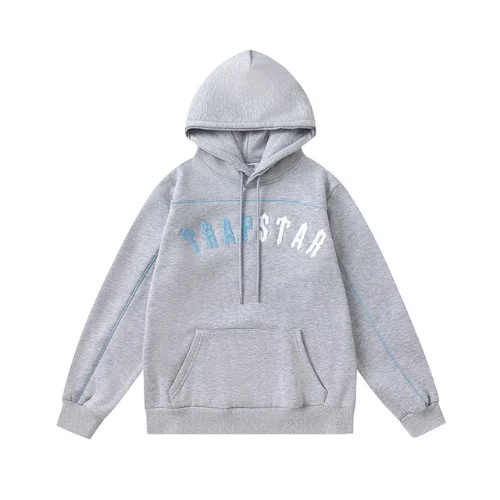
The hoodie remains one of Trapstar’s most recognizable categories because it perfectly matches the brand’s aesthetic. Hoodies provide a large surface for graphic design while offering the comfort and relaxed shape expected from streetwear. Trapstar uses this format to combine recognizable branding with practical everyday clothing. A well-designed hoodie can become the central element of an outfit, particularly when paired with understated trousers and sneakers. It can also be layered beneath a jacket during colder weather, making it useful across different seasons. The popularity of Trapstar hoodies reflects the wider importance of hoodies within modern fashion. What was once primarily associated with sportswear and casual clothing has become a cultural symbol worn by people across different communities. Trapstar’s approach adds its own visual identity to this familiar garment, helping it stand out within a highly competitive market.
From Underground Label to Global Recognition
The journey from an independent streetwear label to an internationally recognized brand is difficult, particularly in an industry where trends can change quickly. Trapstar’s growth demonstrates the importance of maintaining a clear identity while building a strong connection with an audience. Rather than attempting to appeal to everyone immediately, the brand developed credibility within communities that understood its aesthetic and cultural references. This organic growth helped create a sense of authenticity. As awareness expanded, Trapstar’s products began appearing in different markets and gaining attention from a wider range of fashion enthusiasts. The transition from underground recognition to global visibility can sometimes weaken a brand’s original identity, but Trapstar’s continued emphasis on its distinctive visual language has helped preserve a sense of continuity.
Why Trapstar Feels Different From Mainstream Fashion
Mainstream fashion often operates according to seasonal schedules and rapidly changing trends. Streetwear can work differently because its most influential brands are frequently built around community, cultural identity, and personal expression. Trapstar represents this alternative approach. Its designs do not simply attempt to look fashionable for a particular season; they communicate a consistent attitude. This gives the clothing a sense of permanence even as individual styles change. People who wear Trapstar are often attracted to the feeling associated with the brand as much as the physical garment itself. The clothing can become a way of communicating confidence, independence, and connection to a particular cultural movement. This emotional aspect helps explain why some streetwear labels develop loyal communities rather than simply attracting temporary customers.
Styling Trapstar in Modern Outfits
Trapstar garments are relatively versatile because their strongest visual elements can be balanced with simpler pieces. A graphic hoodie can be paired with straight-leg jeans or relaxed trousers and sneakers for an everyday streetwear look. A jacket can become the main feature of an outfit when combined with neutral basics underneath. For those who prefer a more coordinated appearance, matching tracksuits or complementary pieces can create a stronger visual statement. Accessories can also influence the overall result, but the most effective outfits often avoid adding too many competing elements. The strength of Trapstar clothing means that a single statement piece can provide enough personality for an entire outfit. This flexibility allows different wearers to interpret the brand according to their own preferences rather than following one fixed formula.
The Role of Limited Releases and Exclusivity
Exclusivity has become an important part of modern streetwear culture. Limited releases can create excitement because they make certain garments feel less ordinary and more connected to a particular moment. For many enthusiasts, obtaining a sought-after piece is not simply a Trapstar Bag purchase; it becomes part of their experience with the brand. Trapstar has benefited from this culture by maintaining an aura of desirability around particular releases and designs. Scarcity can encourage collectors to pay closer attention to new drops and develop deeper knowledge of different pieces. However, the lasting appeal of the brand ultimately depends on more than limited availability. A garment still needs a strong design, cultural relevance, and recognizable identity. Trapstar’s ability to combine these factors has helped it remain influential within streetwear.
Trapstar’s Impact on Contemporary Streetwear
The influence of Trapstar extends beyond its own clothing. The brand represents the growing importance of British streetwear in global fashion and demonstrates how local creative cultures can develop international influence. Its combination of music, graphic design, and urban fashion has contributed to a broader understanding of what streetwear can represent. Rather than separating clothing from culture, Trapstar treats them as interconnected forms of expression. This approach has influenced the expectations consumers have for modern brands. People increasingly want labels with stories, communities, and recognizable identities rather than anonymous products. Trapstar’s success shows that cultural relevance can be as important as traditional fashion credentials when building a lasting brand.
The Future of Trapstar
As streetwear continues to evolve, Trapstar has an opportunity to remain relevant by balancing its established identity with new creative ideas. Fashion audiences change, technologies develop, and new cultural movements emerge, but the demand for authentic self-expression remains strong. Trapstar’s foundation in London culture, music, graphic design, and bold streetwear gives it a recognizable platform from which to continue developing. The challenge will be maintaining the sense of individuality that helped the brand gain attention while continuing to reach new audiences. If it can preserve its distinctive visual language while experimenting with new silhouettes, materials, collaborations, and creative concepts, Trapstar can continue to hold an important place within contemporary fashion.