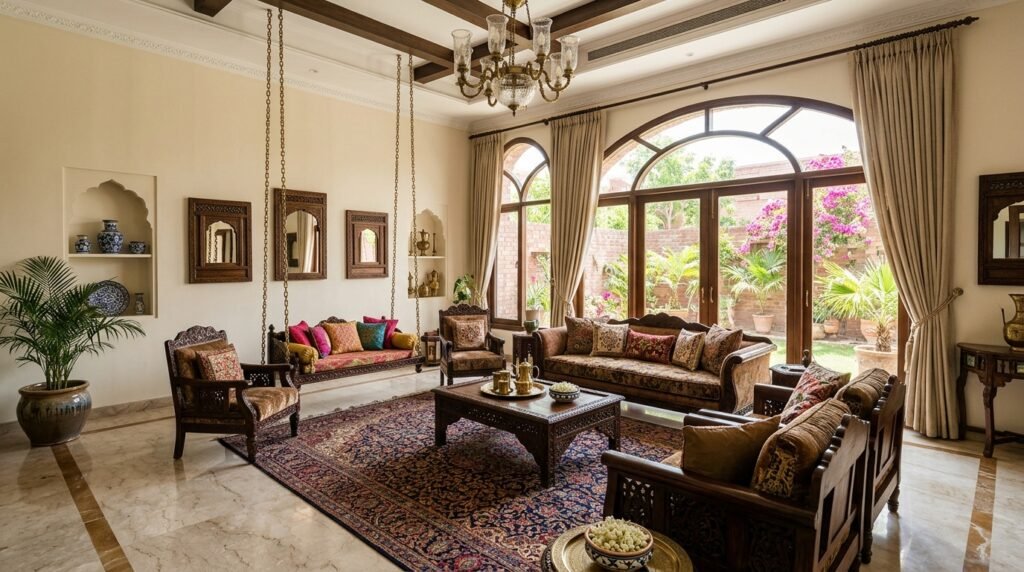
Choosing the right person to design your space can make a major difference. A well-designed home feels comfortable, practical, and welcoming. Similarly, a thoughtfully planned workplace supports productivity and creates a positive impression. However, finding someone who understands your vision requires careful consideration. A Professional Interior Designer brings creative ideas, technical knowledge, and practical solutions together. They help transform empty or outdated spaces into functional environments that match your needs.
Whether you are planning a home renovation or a new office, the right designer should understand your lifestyle, business goals, and personal preferences. From selecting materials to arranging furniture, every decision matters. Working with an Experienced Interior Design Consultant can also help you avoid common planning mistakes. Therefore, knowing what to look for makes it easier to choose someone who can deliver a space that works beautifully.
Set Clear Goals for Your Interior Design Plan
Before contacting designers, think carefully about what you want to achieve. Start by identifying the purpose of your project. A family home may need comfortable seating, practical storage, and child-friendly materials. Meanwhile, an office may require organised workstations, meeting areas, and better lighting. Understanding these differences helps you explain your expectations clearly.
Next, consider the atmosphere you want to create. You might prefer a modern, minimalist appearance or a traditional and welcoming setting. Collect photographs, colour ideas, and examples of spaces you admire. These references give designers a clearer understanding of your preferences. Also, prepare a list of essential features and optional improvements. This makes discussions more productive and helps prevent unnecessary changes later.
Check the Designer’s Experience and Past Work
Experience helps designers understand how different spaces function. However, the number of completed projects should not be your only consideration. Look for someone whose previous work reflects your preferred style and project requirements. Review photographs, design drawings, and completed interiors to understand their approach. An Experienced Interior Design Consultant should also be able to explain the reasons behind important design decisions.
Review Projects Similar to Your Requirements
A portfolio provides useful evidence of a designer’s abilities. However, look beyond attractive photographs. Check whether previous projects demonstrate practical layouts, suitable material choices, and consistent design details. If you are renovating a small apartment, examine projects involving limited space. For workplace projects, look for examples of offices, reception areas, or meeting rooms. Ask about the designer’s specific contribution to each project. This helps you understand whether they managed the entire design or completed selected tasks. Furthermore, request examples showing how they addressed challenging requirements. A strong portfolio should demonstrate both creative thinking and practical problem-solving skills.
Ask About Technical Knowledge and Qualifications
Creative ability is important, but technical knowledge matters just as much. Ask about relevant education, professional training, and experience with design software. A capable designer should understand measurements, lighting arrangements, material properties, and construction requirements. They should also recognise when specialist contractors or engineers need to become involved. For example, changing a kitchen layout may require plumbing or electrical adjustments. Similarly, modifying an office floor plan could involve accessibility and safety considerations. Ask how they coordinate these requirements. Their answers can reveal whether they understand the practical responsibilities involved in turning design ideas into completed spaces.
Understand the Design Process and Key Services
Every interior project involves several connected stages. A reliable designer should explain how they move from initial discussions to the completed environment. This includes understanding your requirements, developing concepts, preparing layouts, and selecting suitable finishes. Clear information about these stages helps you know what to expect.
Also, check which services are included in their work. Some designers provide complete project support, while others focus on planning and design recommendations. Their responsibilities may include furniture selection, lighting concepts, material suggestions, and coordination with contractors. Understanding these differences helps you select someone whose services match your expectations. It also prevents confusion about responsibilities during the project.
Assess Skills in Space and Layout Planning
A beautiful room is not necessarily a functional room. Furniture placement, movement, storage, and lighting all influence how people experience an interior. Good Interior Layout Planning ensures that every area serves a clear purpose. It also helps prevent crowded walkways and poorly positioned furniture. The designer should consider both the available space and the activities that will happen there.
Examine How They Use Available Space
Ask the designer to explain how they would organise your existing floor area. For example, a small living room may benefit from multifunctional furniture and carefully positioned storage. An open-plan workplace may need separate zones for focused work, collaboration, and informal discussions. These decisions should support natural movement without making the space feel crowded. Request sample floor plans or digital layouts to understand their approach. Also, discuss how natural light, windows, doors, and existing structural features influence furniture placement. A thoughtful plan should make everyday activities easier while maintaining visual balance throughout the property.
Evaluate Lighting, Storage, and Material Choices
Lighting and storage can completely change how an interior performs. Natural light should be considered before selecting artificial lighting arrangements. Meanwhile, task lighting can improve visibility in kitchens, study areas, and office workstations. Storage should also reflect the actual needs of the people using the space. Built-in cabinets, shelving, and concealed storage can reduce clutter. Material selection deserves equal attention. Flooring, wall finishes, fabrics, and furniture should suit the intended use of each room. For example, busy commercial areas may require durable surfaces that are easy to maintain. Discuss maintenance, durability, and appearance before approving final selections.
Compare Home and Workplace Design Requirements
Residential and commercial interiors have different priorities. Homes generally focus on comfort, privacy, personal preferences, and everyday routines. Workplaces must also support business operations, employee needs, customer experiences, and professional branding. Therefore, the designer should understand the specific demands of your property.
When exploring Residential Interior Design Services, ask how the designer approaches bedrooms, kitchens, bathrooms, and shared living areas. Their plans should reflect your household’s routines and storage requirements. For business projects, a Commercial Interior Designer should understand reception areas, employee circulation, meeting rooms, and practical workspace arrangements. They should also consider accessibility, safety, and relevant building requirements. Choosing someone with experience in your particular project type can lead to more suitable design decisions.
Discuss Budgets, Timelines, and Project Control
A successful design project needs realistic planning. Before starting, explain your available budget and ask how the designer will organise the work within your financial limits. Discuss design fees, material allowances, furniture requirements, and contractor responsibilities. Request written details so you can understand what is included and what may involve additional expenses. Clear documentation reduces misunderstandings throughout the process.
Timelines also deserve attention. Ask for an estimated schedule covering initial planning, design approvals, material selection, and installation. However, remember that supplier delays and construction issues can affect completion dates. A responsible designer should explain possible challenges and communicate changes promptly. They should also have a clear method for tracking progress. Regular updates make it easier to review decisions and keep different project stages organised.
Look for Clear Communication and Collaboration
Designing a home or workplace involves many decisions. Therefore, communication should remain clear from the first discussion until the final stages. Your designer should listen carefully, answer questions, and explain suggestions without using confusing technical language. They should respect your preferences while offering professional guidance when necessary.
A productive relationship also depends on collaboration. Ask how often you will receive updates and how design changes will be handled. Find out whether you will review drawings, material samples, and furniture selections before approval. An organised Interior Design Consultation should give you an opportunity to discuss concerns and clarify expectations. Furthermore, make sure the designer welcomes feedback. Good communication helps both parties work towards the same result without unnecessary confusion.
Make Your Final Choice With Confidence and Care
After reviewing several designers, compare their experience, portfolios, services, and communication styles. Do not make your decision based solely on visual presentation. Consider whether they understand your goals and can explain practical solutions. Their ability to manage design details and coordinate project requirements is equally important.
Before signing an agreement, review the scope of work, payment arrangements, project schedule, revision policy, and responsibilities. Ask for written confirmation of important decisions. If possible, speak with previous clients about their experience. Finally, arrange a detailed Interior Design Consultation to discuss your requirements before committing. This conversation can help you determine whether the designer understands your vision and has a suitable approach for your home or workplace.
Conclusion
Finding the right interior designer requires more than comparing portfolios and creative styles. You should also consider technical knowledge, planning abilities, communication, and experience with similar projects. Clear goals and realistic expectations make the selection process easier. Furthermore, reviewing previous work and understanding service responsibilities can help you avoid unnecessary complications.
Whether you are improving a family home or planning a professional workplace, choose someone who understands how the space should function. The right partnership brings your ideas together with practical design solutions. With careful research and clear communication, you can create an environment that looks appealing, supports everyday activities, and meets your long-term requirements.
Frequently Asked Questions About Interior Design
When should I hire an interior designer?
It is best to involve a designer during the early planning stages. This allows them to consider layouts, lighting, materials, and furniture before construction or renovation begins.
What should I prepare before meeting a designer?
Prepare your floor plan, measurements, photographs, preferred styles, and a list of essential requirements. Having these details ready makes the first discussion more productive.
Can an interior designer work with existing furniture?
Yes. Many designers can incorporate existing furniture into a new layout. They may recommend repositioning, refinishing, or updating selected pieces to create a more consistent appearance.
How many design concepts should I request?
This depends on the designer’s process and your agreement. Discuss the number of initial concepts and revisions included before the project begins.
Can one designer handle residential and commercial projects?
Some designers have experience with both. However, check their previous projects to confirm they understand the different functional and technical requirements of each property type.