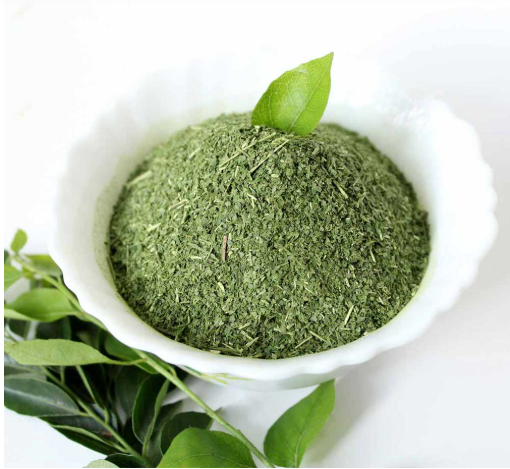
Lagerstroemia Speciosa Extract is a botanical ingredient derived from the leaves of the Lagerstroemia speciosa plant, commonly known as banaba. It has gained attention in the nutraceutical and botanical ingredient sector because of its naturally occurring compounds, including corosolic acid and other polyphenolic constituents. Today, this plant extract is explored for use in dietary supplements, functional formulations, and wellness-oriented products. Understanding its botanical profile, extraction methods, quality parameters, and potential applications can help manufacturers and formulators select suitable ingredients for modern product development.
Understanding Lagerstroemia Speciosa
Lagerstroemia speciosa is a tropical plant traditionally found across several regions of Southeast Asia and India. The plant is recognized for its attractive flowers as well as its leaves, which have been used in traditional botanical practices. Modern ingredient development has focused particularly on the leaves because they contain several naturally occurring bioactive compounds.
Lagerstroemia Speciosa Extract is generally produced through controlled extraction processes designed to concentrate selected plant constituents while maintaining consistent quality. Depending on the intended application, the extract may be standardized according to specific active markers. Standardization is important for manufacturers because it supports batch-to-batch consistency and enables formulators to develop products with predictable ingredient specifications.
Key Botanical Constituents
One of the most discussed constituents associated with banaba leaves is corosolic acid. The plant also contains tannins, flavonoids, phenolic compounds, and other naturally occurring phytochemicals. The overall composition can vary depending on the plant variety, growing conditions, harvesting period, extraction technique, and standardization method.
Lagerstroemia Speciosa Extract may therefore be evaluated according to parameters such as active-compound concentration, identity, purity, moisture, microbial limits, heavy metals, and residual solvents. These quality indicators are particularly relevant when the ingredient is intended for nutraceutical or food-related applications.
Role of Botanical Extracts in Modern Formulations
The growing interest in plant-based ingredients has encouraged manufacturers to explore botanical extracts for a wide range of formulation concepts. Consumers increasingly look for products featuring recognizable natural ingredients and carefully selected botanical components.
In this context, Lagerstroemia Speciosa Extract can be incorporated into formulations where manufacturers are interested in developing botanical-based wellness products. Its versatility allows it to be considered for capsules, tablets, powders, blends, and other suitable delivery formats, depending on regulatory requirements and formulation objectives.
Another commonly researched botanical ingredient is Fenugreek Seed Extract, obtained from the seeds of Trigonella foenum-graecum. Fenugreek has a long history of traditional use and contains compounds such as saponins, dietary fiber, alkaloids, and polyphenols. Its established botanical profile makes it an interesting ingredient for multi-botanical formulations.
Fenugreek Seed Extract and Botanical Combinations
Fenugreek Seed Extract is frequently considered in nutritional and herbal formulations because of its diverse phytochemical composition. The seeds naturally contain proteins, fibers, minerals, and various plant compounds. Depending on the extraction process, manufacturers can produce extracts with different levels of selected marker compounds.
When developing a formulation that includes Lagerstroemia Speciosa Extract, formulators may also evaluate complementary botanical ingredients according to their intended application, dosage format, compatibility, stability, and regulatory status. Combining botanicals requires careful consideration of ingredient specifications rather than simply focusing on the number of ingredients in a formula.
For this reason, Fenugreek Seed Extract should be assessed for identity, purity, active-marker concentration, microbiological quality, and other relevant specifications before incorporation into a finished product.
Indian Gooseberry as a Botanical Ingredient
Indian Gooseberry Extract, commonly obtained from the fruit of Phyllanthus emblica, is another widely recognized botanical ingredient. Indian gooseberry, often called amla, is naturally associated with vitamin C, polyphenols, tannins, and other phytochemicals. Its traditional significance and nutritional profile have contributed to continued interest in modern botanical formulations.
Indian Gooseberry Extract can be available in different forms depending on the extraction and drying technology used. Manufacturers may specify the ingredient based on extract ratio, marker compounds, vitamin C content, or other quality parameters. Such specifications help ensure that the material meets the requirements of a particular formulation.
Like Lagerstroemia Speciosa Extract, Indian gooseberry ingredients should be sourced and processed under controlled conditions. Proper raw-material identification and analytical testing can help maintain consistency throughout the manufacturing process.
Extraction and Standardization
The quality of any botanical extract is strongly influenced by the extraction process. Factors such as solvent selection, extraction temperature, processing duration, filtration, concentration, drying, and storage can affect the final composition of the ingredient.
Lagerstroemia Speciosa Extract may be manufactured using carefully controlled extraction technologies to obtain a defined concentration of desired botanical constituents. Standardization can provide additional control by establishing a minimum or specified level of a particular marker compound.
For commercial applications, manufacturers should also consider documentation such as certificates of analysis, technical specifications, allergen statements, safety information, and relevant regulatory documentation. These documents support traceability and assist product developers in evaluating ingredient suitability.
Quality and Safety Considerations
High-quality botanical ingredients require systematic testing throughout the supply chain. Raw materials should be properly identified and evaluated before processing. During manufacturing, controlled production conditions can help reduce contamination and maintain consistency.
Important quality parameters may include:
- Botanical identity and authenticity
- Active-marker concentration
- Microbiological quality
- Heavy-metal testing
- Pesticide residue assessment
- Residual solvent testing
- Moisture and physical characteristics
- Stability and storage requirements
Fenugreek Seed Extract and other botanical ingredients should also be evaluated for compatibility with the final formulation. Appropriate testing helps manufacturers maintain reliable product specifications and supports quality-focused production.
Applications in Nutraceutical Product Development
Botanical extracts are used across multiple product categories, including dietary supplements, functional foods, beverages, and wellness formulations. Their inclusion depends on regional regulations, product claims, target consumers, formulation requirements, and dosage considerations.
Lagerstroemia Speciosa Extract may be considered for formulations designed around botanical wellness and nutritional support. Product developers can select suitable grades based on extract strength, solubility, marker compounds, delivery format, and intended application.
Indian Gooseberry Extract can similarly be evaluated as part of antioxidant-focused or traditional botanical formulations. The selection of an extract should always be based on verified specifications and the intended use of the finished product rather than on general assumptions about botanical benefits.
Importance of Responsible Sourcing
Responsible sourcing is an important part of botanical ingredient manufacturing. The quality of a plant extract begins with the quality of its raw material. Factors such as geographical origin, cultivation practices, harvesting conditions, drying methods, and storage can influence the final ingredient.
Lagerstroemia Speciosa Extract manufacturers and suppliers therefore need appropriate sourcing and quality-control systems to maintain consistency. Reliable documentation and traceability can help manufacturers understand the origin and processing history of their ingredients.
Sustainable sourcing practices can also contribute to long-term availability of botanical resources. Careful procurement, responsible harvesting, and efficient processing support both environmental considerations and dependable ingredient supply.
Choosing the Right Botanical Extract Supplier
Selecting a suitable supplier involves more than comparing ingredient prices. Product developers should examine manufacturing capabilities, quality systems, analytical testing, documentation, customization options, packaging, and supply-chain reliability.
A professional supplier should be able to provide clear technical specifications for Lagerstroemia Speciosa Extract and explain the available grades or standardization options. Similar attention should be given to Fenugreek Seed Extract and Indian Gooseberry Extract when they are included in a formulation.
Transparent communication between manufacturers, suppliers, and formulation teams can help ensure that the selected botanical ingredients meet the technical requirements of the final product.
Conclusion
Botanical extracts continue to play an important role in the development of modern nutraceutical and wellness formulations. Careful attention to botanical identity, extraction technology, standardization, testing, sourcing, and documentation can help manufacturers develop consistent and reliable ingredients. With a quality-focused approach, botanical raw materials can support innovative product development while maintaining appropriate standards for safety, consistency, and regulatory compliance.
About Botanic Healthcare
Botanic Healthcare focuses on botanical extracts, herbal ingredients, nutraceutical solutions, and plant-based ingredients for diverse industries. With an emphasis on quality, controlled processing, technical specifications, and customer-focused solutions, the company supports ingredient requirements for modern product development .