A well-chosen watch can change the way an outfit looks while making daily routines more convenient. For many people, Men’s Watches are more than simple timekeeping devices; they are practical accessories that reflect personal taste, complement clothing, and support an organized lifestyle. From a polished office look to a relaxed weekend outfit, the right watch can add character without overwhelming the rest of your appearance.
Why Watches Remain Useful Everyday Accessories
Smartphones have made checking the time effortless, yet traditional watches continue to have a strong place in everyday fashion. They provide quick access to the time without requiring you to reach for a phone, while also adding a deliberate finishing touch to an outfit.
A watch can also communicate attention to detail. A simple leather-strap design may suit a business meeting, while a durable metal bracelet can work well with casual and semi-formal clothing.
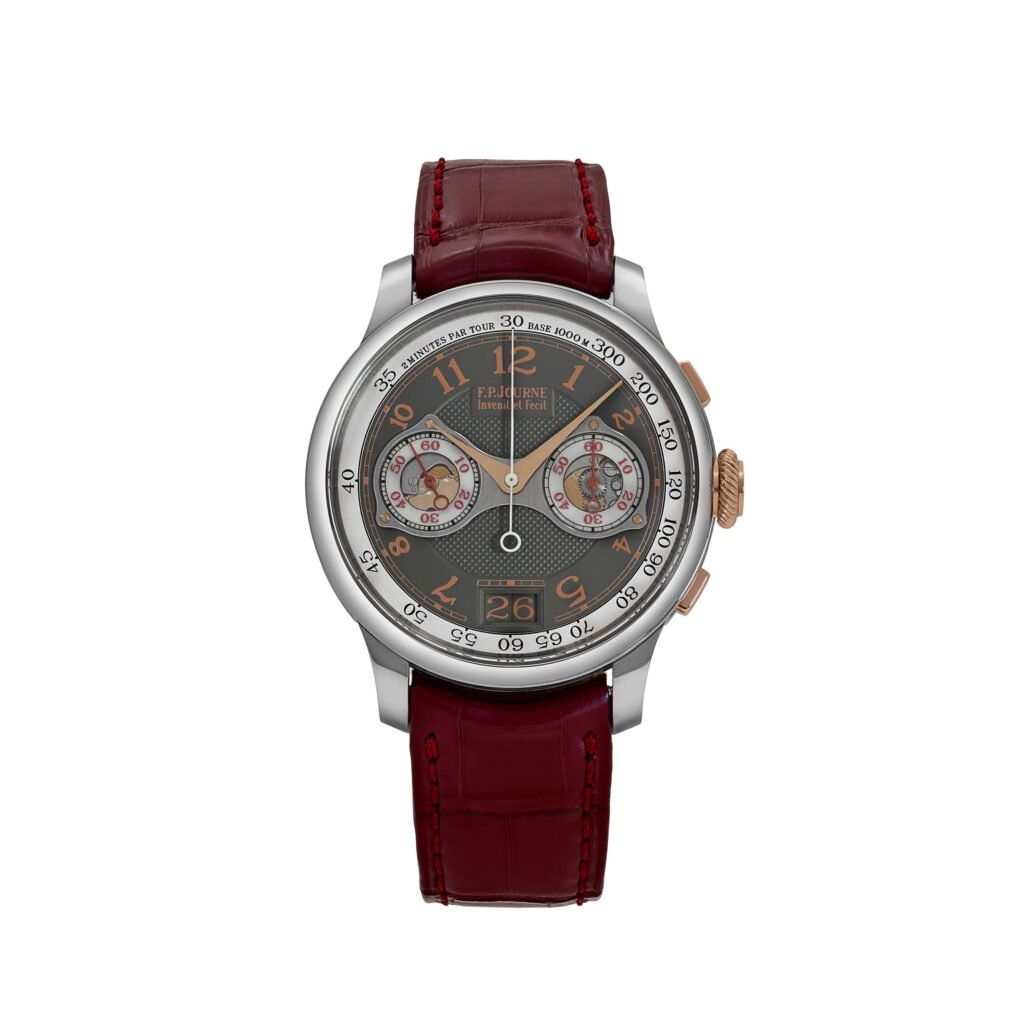
Beyond appearance, watches offer different features designed for specific needs. Some focus on simplicity and elegance, while others include chronographs, date displays, water resistance, or additional time zones.
How a Watch Complements Personal Style
Accessories often determine whether an outfit feels complete. A watch can provide that final detail while remaining subtle enough to work with different clothing choices.
The key is to match the watch with the occasion, color palette, and overall style rather than choosing a design based solely on appearance.
Match the Watch to the Occasion
Different settings call for different watch styles. Consider these general combinations:
| Occasion | Suitable Watch Style | Why It Works |
|---|---|---|
| Business meeting | Classic dress watch | Creates a refined, professional appearance |
| Office wear | Minimalist or bracelet watch | Balances practicality and polish |
| Casual outing | Field or everyday watch | Works naturally with relaxed clothing |
| Formal event | Slim dress watch | Complements tailored clothing without distraction |
| Outdoor activity | Durable sports watch | Designed for active environments |
| Travel | Multi-time-zone watch | Makes time tracking more convenient |
This does not mean you need a separate watch for every situation. A versatile design with a neutral dial and comfortable strap can work across several parts of your wardrobe.
Consider Color Coordination
Watch details should complement, rather than compete with, your clothing. Silver and stainless-steel finishes are easy to combine with many colors, while gold or darker finishes can create a more distinctive appearance.
Strap color matters as well. Brown leather can pair naturally with earthy tones, while black leather often suits darker or formal outfits. Fabric and rubber straps generally create a more casual impression.
Choosing the Right Watch Size
A watch can look very different depending on its proportions. An oversized case may appear bold on a smaller wrist, while an extremely small case may look out of place with certain modern outfits.
Case diameter, thickness, strap width, and wrist size should be considered together. Comfort is equally important because an attractive watch becomes less useful if it feels heavy, tight, or awkward during regular wear.
Focus on Comfort and Proportion
When trying on a watch, check whether the case sits comfortably on the wrist. The lugs should not extend dramatically beyond the sides of your wrist, and the strap should provide enough room for natural movement.
A properly fitted watch should stay secure without leaving uncomfortable pressure marks. If possible, wear it for several minutes before making a purchasing decision.
Practical Features That Improve Daily Use
Style may attract attention, but functionality determines how useful a watch becomes over time. Before choosing a model, think about which features you will actually use.
For example, a date display can be useful during workdays, while water resistance may matter to someone who spends considerable time outdoors. A chronograph can help with timing activities, although it may be unnecessary for someone who prefers a clean, minimalist design.
Useful Features to Consider
Depending on your routine, look for features such as:
- Date or day displays
- Water resistance
- Luminous hands or markers
- Chronograph functions
- Rotating bezels
- Multiple time zones
- Scratch-resistant crystal
- Interchangeable straps
- Automatic or quartz movement
The best feature set depends on your lifestyle. Paying for functions you never use may add unnecessary cost and complexity.
Mechanical, Automatic, and Quartz Watches
Understanding watch movements can make shopping easier. Quartz watches use a battery-powered movement and are generally known for accurate timekeeping and straightforward maintenance.
Mechanical watches operate through a wound mainspring, while automatic watches use the movement of the wearer’s wrist to wind the mechanism. These watches can appeal to people who appreciate traditional craftsmanship and mechanical engineering.
Neither movement is automatically right for everyone. Consider whether you prioritize convenience, traditional construction, low maintenance, or the experience of wearing a mechanical timepiece.
How Watches Can Make Outfits Look More Polished
A carefully selected watch can add structure to an otherwise simple outfit. For example, jeans, a clean shirt, and leather shoes can look more coordinated when paired with a watch that shares similar tones or materials.
However, the goal is balance. Wearing several highly noticeable accessories at once can make an outfit feel crowded.
Keep Accessories Balanced
If your watch has a large case, bright finish, or detailed dial, consider keeping other accessories relatively understated. Conversely, a minimalist watch can provide room for more noticeable items such as rings, bracelets, or textured clothing.
Think of the watch as part of the complete outfit rather than an isolated statement. Its design should support your overall appearance.
Building a Versatile Watch Collection
You do not need dozens of watches to cover different situations. A small collection can provide plenty of flexibility when each piece serves a distinct purpose.
Start with a versatile everyday watch. Then consider adding a formal option and a durable casual or outdoor design if your lifestyle requires them.
A Simple Three-Watch Approach
A practical collection might include:
- Everyday watch: A neutral design that works with casual and office clothing.
- Dress watch: A slim, refined option for formal occasions and professional events.
- Sport or outdoor watch: A durable design for exercise, travel, or outdoor activities.
This approach makes choosing a watch easier because each piece has a clear role. It also prevents unnecessary purchases that simply duplicate styles you already own.
Caring for Your Watch
Regular care can help preserve both appearance and performance. Keep the watch clean, avoid exposing it to conditions outside its rated specifications, and follow the manufacturer’s maintenance recommendations.
Leather straps require particular attention because moisture can affect their appearance and durability. Metal bracelets can also collect dirt around links and clasps, so occasional gentle cleaning can help maintain their finish.
Protect the Watch From Common Damage
Avoid unnecessary exposure to strong impacts, extreme temperatures, chemicals, and moisture when the watch is not designed to handle them. Water resistance is not the same as complete waterproofing, and its effectiveness can change as seals age.
If a watch requires servicing, use a qualified professional familiar with the specific movement. Proper maintenance can help identify problems before they become more expensive to repair.
Why Watches Can Be Practical for Work
A watch can be particularly useful in professional environments. Checking the time discreetly during a meeting is often more convenient than pulling out a smartphone, which may create an unintended distraction.
A suitable watch can also complement business clothing without drawing excessive attention. Classic designs with clean dials tend to work well when professionalism and simplicity are priorities.
For people who regularly attend meetings, presentations, interviews, or client appointments, a comfortable and dependable watch can become a useful part of their daily routine.
Using Watches to Express Personal Identity
Fashion is not only about following trends. Accessories allow people to communicate preferences, interests, and personality through relatively small details.
A vintage-inspired watch may appeal to someone who enjoys traditional aesthetics. Another person may prefer a minimalist dial, while an outdoor enthusiast might prioritize durability and practical features.
The important point is authenticity. Choose designs that fit your lifestyle rather than buying a style simply because it is currently popular.
Smart Shopping Tips for Buying a Watch
Buying a watch becomes easier when you establish practical priorities before looking at specific models. Start by deciding how often you expect to wear it, where you will wear it, and which features matter most.
Next, consider your budget and the expected maintenance requirements. A lower purchase price does not necessarily mean lower long-term cost if the watch requires frequent replacement or repairs.
Check These Details Before Buying
Before purchasing, review:
- Case size and thickness
- Strap or bracelet material
- Movement type
- Water-resistance rating
- Crystal material
- Warranty coverage
- Service requirements
- Replacement strap availability
- Overall comfort and weight
Reading specifications carefully can prevent disappointment after purchase. If buying online, also check the seller’s return policy and confirm measurements rather than relying on product photographs alone.
How to Make One Watch Work With More Outfits
Versatility is especially valuable if you want to keep your accessory collection simple. Neutral colors, moderate case sizes, and interchangeable straps can help one watch adapt to different clothing styles.
For example, a watch with a metal bracelet may look appropriate with office clothing, while an alternative leather or fabric strap can create a more relaxed appearance.
Use Straps to Refresh Your Style
Changing a strap can significantly alter the character of a watch. Leather often creates a classic appearance, fabric can make the same case feel more casual, and metal can give it a sharper finish.
Before buying additional straps, confirm that they match the watch’s lug width and attachment system. A proper fit protects both comfort and appearance.
The Lasting Role of Watches in Modern Accessories
Technology has changed how people interact with time, but it has not eliminated the practical and visual value of watches. Instead, watches occupy a space between useful tools and personal accessories.
Their appeal comes from this combination. A watch can provide immediate time information while adding texture, color, proportion, and personality to an outfit.
For consumers who value both appearance and everyday practicality, choosing carefully is more important than following every new trend. A well-fitting, dependable watch can remain useful for years while working with many different parts of a wardrobe.
Conclusion
A watch can do much more than tell time. It can improve everyday convenience, complete an outfit, and provide a subtle way to express personal style. The most useful choice depends on your routine, clothing preferences, comfort needs, and desired features. By considering size, movement, materials, functionality, and versatility before buying, you can select a watch that feels natural in daily life. Whether you prefer a minimalist design, a traditional mechanical piece, or a durable sports model, the right watch combines practical value with personal style.
FAQs
1. Why are watches still useful when smartphones tell time?
Watches provide quick access to the time without requiring you to take out a smartphone. They can also complement clothing and serve as a practical personal accessory.
2. What type of watch works best for everyday wear?
A versatile watch with a moderate case size, comfortable strap, durable construction, and neutral design can work well for everyday use. The ideal choice depends on your clothing and daily activities.
3. How should I choose the right watch size?
Consider your wrist size, case diameter, case thickness, and strap width together. The watch should sit comfortably without extending excessively beyond your wrist.
4. Are mechanical watches better than quartz watches?
They serve different preferences. Quartz watches generally offer convenient, accurate timekeeping with relatively simple maintenance, while mechanical watches appeal to people who appreciate traditional movements and craftsmanship.
5. How can I make a watch more versatile?
Choose a neutral design and consider interchangeable straps. Switching between leather, metal, or fabric straps can change the appearance of the same watch and help it work with more outfits.