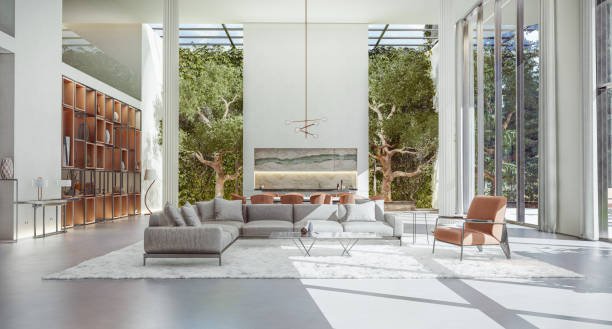
Most people mess this up in the same way. They keep adding. More furniture, more decor, more “personality.” It feels productive, like you’re building something. But honestly, that’s how rooms get cluttered fast. The better spaces—the ones that actually feel calm and expensive—usually come from pulling things back. Not piling on. You see this a lot with Professional Interior Design Services in Las Vegas, where the goal isn’t to impress at first glance, it’s to make the space feel right over time. Big difference. Restraint plays a bigger role than most people expect, and yeah, it’s not always easy to get there.
Why Doing Less Feels Wrong (At First)
There’s this weird discomfort with empty space. Like if a wall isn’t filled, something’s missing. So people rush to fix it. Add art, add shelves, add something. Same with corners, tables, even floors. It becomes a habit. But the thing is, not every space needs to be “used.” Some of it needs to exist as breathing room. That idea doesn’t click immediately. It takes a bit of trial and error, sometimes a few bad design choices before you realize… okay, this is too much. Restraint usually comes after overdoing it a couple times. That’s just how it goes.
When Everything Talks, Nothing Gets Heard
Walk into a room where everything is trying to stand out. Bright colors everywhere, mixed styles, too many focal points. It’s exhausting. Your eyes don’t settle anywhere. That’s the problem. Good interiors don’t shout from every corner. They pick a lane. Maybe one strong piece, maybe two, and everything else supports it quietly. That’s restraint in action. It’s not about removing character. It’s about giving it space to actually show up. A single bold chair can do more than three average ones. Sounds obvious, but people still overfill rooms all the time.
Fewer Pieces Means Higher Standards
Here’s where it gets a bit real. When you cut down the number of items in a room, you can’t hide bad choices anymore. If there are only a few things in the space, each one has to earn its place. Cheap finishes stand out. Poor proportions become obvious. So restraint forces better decisions, whether you like it or not. You start paying attention to materials, textures, how things age. It slows the process down. You don’t just grab things because they’re “nice.” They have to work. Completely different mindset.
Color Works Better When It’s Controlled
People think restraint means neutral everything. Not true. You can still use color, even bold ones. The difference is how you use them. Instead of throwing five shades into one room, you narrow it down. One main tone, maybe a couple of supporting ones, that’s it. The space feels calmer, but also more confident somehow. Nothing feels random. And you don’t get tired of it as quickly, which matters more than people admit. Trendy color combos look great for a few months, then… not so much.
The Space Between Things Matters More Than You Think
This part gets ignored a lot. The gaps. The empty areas between furniture, around objects. That’s not wasted space, it’s doing work. It helps the room feel open, even if it’s not that big. When everything is pushed together or overfilled, the space shrinks visually. You feel it. Even if you can’t explain it. Restraint leans into this. It says, leave it alone. Not every corner needs a plant or a lamp. Sometimes the best move is to stop.
Editing Is Where Things Actually Improve
Design isn’t just picking nice stuff. That’s the easy part. The harder part is stepping back and cutting things out. Editing. Removing pieces that don’t quite fit, even if you like them. That’s where a lot of people hesitate. They get attached. But if something throws off the balance, it has to go. Doesn’t matter how much it cost. Doesn’t matter how long you searched for it. This is where professional designers separate themselves a bit—they’re willing to be ruthless with edits. And that’s usually why their spaces feel cleaner.
It’s Not Minimalism, It’s Control
Quick thing—restraint doesn’t mean your home has to feel empty or cold. That’s not the goal. You can still have warmth, texture, personality. Just not all competing at once. Think of it like pacing. You don’t need every idea in one room. Spread it out. Let certain elements stand on their own. A strong light fixture here, a textured wall there. Then give them space. That balance is what people read as “sophisticated,” even if they don’t use that word.
How It Actually Plays Out in Real Homes
In real projects, restraint shows up in small decisions more than big ones. Maybe it’s removing half the accessories from a shelf. Maybe it’s choosing one large rug instead of layering three. Maybe it’s sticking to a tight material palette even when you’re tempted to mix everything. Good Residential Interior Design usually comes down to this kind of discipline. It’s not flashy work. Most people won’t notice the individual choices. But they’ll feel the difference when they walk in. The space feels settled, not busy.
Conclusion
At the end of the day, restraint is about knowing when to stop. That’s it. Sounds simple, but it’s not. It takes a bit of confidence to leave space untouched, to not fill every gap just because you can. But when you get it right, the whole room shifts. It feels lighter, clearer, more intentional. Not trying too hard. And that’s really what sophistication is—it’s controlled, not crowded. Quiet, but in a way that sticks with you.