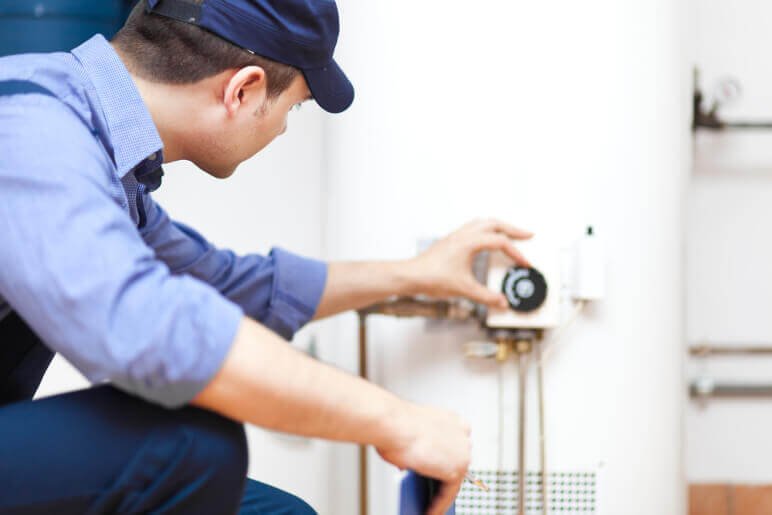
Water Heater Services
Choosing a water heater is an important household decision because the right system needs to provide enough hot water without creating unnecessary operating costs. A unit that is too small may leave family members waiting for hot water, while an oversized system can cost more to purchase and operate than necessary. The condition of your existing plumbing, household usage, available fuel sources, and installation space also influence the decision. Professional Water Heater Services can evaluate these factors before recommending a repair, replacement, or new installation. Taking time to understand your home’s actual needs can help you make a practical long-term investment.
Start by Evaluating Your Household’s Hot Water Needs
The first step is determining how much hot water your household typically uses during its busiest periods. Consider the number of people living in the home and when showers, laundry, dishwashing, and other activities usually occur. A family with several people using hot water within a short period will generally have different requirements from a single-person household. Looking at actual usage patterns provides a better starting point than choosing a water heater based only on the property’s size. A qualified plumber can use this information to help determine an appropriate system capacity.
Peak demand is particularly important because a water heater must be able to handle periods when several fixtures require hot water at once. For example, a household may have someone showering while a dishwasher and washing machine are operating. If the existing unit frequently runs out of hot water during these periods, it may be undersized or experiencing a performance problem. Professional Water Heater Services can assess whether capacity, equipment condition, or both are contributing to the issue. This prevents homeowners from replacing a functioning system without first understanding the reason for inadequate supply.
Understand the Main Water Heater Options
Homeowners typically encounter several water heater configurations, including conventional storage-tank systems, tankless models, heat pump water heaters, and other specialized options. Each type has different installation requirements, operating characteristics, maintenance needs, and upfront costs. A conventional tank stores heated water, while a tankless system heats water as it is needed. Heat pump technology can offer different efficiency characteristics but may require appropriate installation conditions. Understanding these basic differences makes it easier to discuss options with a professional.
There is no single water heater type that is ideal for every home. Available energy sources, household demand, climate, installation space, existing plumbing, and budget all influence which system is practical. A homeowner should also consider how long they expect to remain in the property because the best choice for a long-term residence may differ from a short-term investment. Professional Water Heater Services can explain the advantages and limitations of suitable systems. A recommendation should reflect the property’s actual conditions rather than simply favoring the newest or most expensive technology.
Compare Upfront Cost With Long-Term Operating Expenses
Purchase and installation price are important, but they should not be the only factors considered when comparing water heater options. A less expensive unit may have different energy requirements, maintenance needs, or expected service life than a more efficient system. Conversely, a higher initial investment may make sense if the equipment offers operating characteristics that fit the household’s long-term needs. Homeowners should consider both immediate expenses and potential ongoing costs. A professional can help explain what installation, maintenance, and operating considerations may apply to each option.
Budget planning should also include the possibility of future repairs and eventual replacement. No water heater operates indefinitely, and even a well-maintained system will eventually require significant service. Choosing equipment with readily available replacement components and qualified service providers may be practical for long-term ownership. Homeowners should request clear estimates that explain what is included in installation and related work. Transparent pricing helps prevent unexpected expenses and makes it easier to compare different proposals fairly.
Consider the Condition of Your Existing Water Heater
If your current water heater is still functioning, replacement may not automatically be necessary. A professional should evaluate its age, tank condition, heating components, valves, connections, efficiency, and repair history. A relatively minor component failure may be worth repairing when the rest of the system remains in good condition. On the other hand, repeated breakdowns or serious corrosion can indicate that replacement is becoming more practical. Professional Water Heater Services can help homeowners compare the likely value of repair against the benefits of installing new equipment.
Visible leaks are especially important when evaluating an aging tank-style water heater. A damaged connection or valve may be repairable, but a tank that has developed structural corrosion may require replacement. Continuing to operate severely deteriorated equipment can increase the risk of water damage and unexpected failure. Homeowners should not attempt to dismantle a water heater to investigate internal problems themselves. Professional evaluation provides a safer way to determine whether repair, maintenance, or replacement is appropriate.
Choose the Right Capacity Without Overspending
Capacity should match household demand rather than simply being as large as possible. An undersized system can struggle during periods of heavy use, while an unnecessarily large tank may increase purchase and operating costs. For storage systems, professionals consider factors such as tank size, recovery capability, and peak household demand. For tankless systems, flow rate and temperature rise are important considerations. A plumber can evaluate these factors and recommend a capacity that aligns with the property’s actual hot-water requirements.
Household needs can also change over time, so homeowners should consider future usage when selecting a new system. A growing family, additional bathroom, renovated kitchen, or increased laundry demand may change peak hot-water requirements. However, future planning should still be balanced against realistic expectations rather than choosing excessive capacity “just in case.” Proper sizing can improve comfort while avoiding unnecessary equipment costs. A professional installation assessment is one of the most reliable ways to make this decision.
Check Installation Requirements Before Choosing a System
Different water heater technologies may require different installation conditions. The available electrical service, gas supply, venting, plumbing connections, drainage, floor space, and access can all affect installation feasibility. A system that appears attractive on paper may require additional modifications that significantly change the overall project cost. These requirements should be evaluated before purchasing equipment. Professional Water Heater Services can inspect the installation area and identify potential complications in advance.
Homeowners should also consider whether the existing plumbing configuration is compatible with the proposed equipment. Older homes may have outdated connections or components that need attention before a new water heater can be installed safely and effectively. An installation estimate should account for necessary upgrades rather than focusing only on the equipment itself. Clear planning reduces the likelihood of unexpected work after the project has started. Proper installation is essential because even high-quality equipment can perform poorly when it is incorrectly sized or connected.
Think About Energy Efficiency
Energy efficiency is another important consideration when choosing a water heater. The amount of energy a system uses depends on its technology, household usage, temperature settings, installation conditions, and other factors. More efficient equipment may have a higher purchase price but could offer different operating costs over its service life. Homeowners should review manufacturer specifications and discuss realistic expectations with a qualified professional. Efficiency should be considered alongside reliability, capacity, maintenance, and total installation cost.
It is also important to avoid assuming that an efficient model will automatically produce dramatic savings in every household. Actual results depend heavily on how much hot water the property uses and the energy source involved. A professional can help compare suitable options based on the home’s circumstances rather than relying on generalized savings claims. Proper installation and maintenance also contribute to efficient operation. The best choice is usually the system that balances energy performance with practical capacity and affordability.
Ask About Maintenance Requirements
Every water heater requires some level of maintenance, although the exact requirements depend on the equipment type. Storage-tank systems may need attention related to sediment, valves, temperature controls, and other components. Tankless systems can have different maintenance considerations, including mineral buildup in areas with hard water. Understanding maintenance requirements before purchasing equipment helps homeowners plan for future service costs. Professional Water Heater Services can explain what routine care the selected system is likely to require.
Preventive maintenance can also help homeowners identify developing problems before they become major failures. During routine service, technicians may notice corrosion, leaks, deteriorating connections, or component wear. Addressing smaller issues early can sometimes reduce the risk of unexpected outages or extensive water damage. Homeowners should keep records of maintenance and repairs so future technicians can understand the system’s history. Good maintenance practices can support more reliable performance regardless of which water heater technology is selected.
Consider Your Home’s Plumbing Infrastructure
The water heater does not operate independently from the rest of the plumbing system. Supply pipes, valves, drains, pressure controls, and other components all affect how water moves through the property. If the existing plumbing is severely deteriorated, installing a new water heater may not resolve every hot-water or pressure problem. A professional inspection can identify whether surrounding components should also be repaired or upgraded. This broader evaluation can help homeowners avoid investing in new equipment while overlooking related plumbing deficiencies.
Older properties may have several plumbing components approaching the end of their useful service lives at the same time. Homeowners might notice slow drains, recurring backups, low pressure, leaks, or other symptoms in addition to water heater problems. These issues may be unrelated, but they can also indicate broader aging infrastructure. Professional plumbing evaluation can help separate independent problems and prioritize necessary work. This is particularly useful when planning a larger home improvement or plumbing project.
Why Sewer Problems Should Be Diagnosed Separately
Water heater problems and sewer problems involve different parts of the plumbing system, but homeowners may sometimes encounter both during the same period. A new water heater will not correct a blocked, damaged, or deteriorated sewer line. If a property experiences recurring sewage backups, multiple slow drains, or wastewater problems, the sewer system should be professionally evaluated. Sewer Line Repair may be necessary when inspection reveals cracks, collapsed sections, severe corrosion, or other structural damage. Treating unrelated plumbing symptoms as one problem can lead to unnecessary expenses.
Camera inspection can be useful when sewer symptoms repeatedly return after cleaning. A professional can examine the inside of an accessible sewer line to look for root intrusion, buildup, damaged joints, or other conditions. If the line is structurally sound, cleaning may be sufficient in some situations. If significant damage is identified, repair or replacement may be more appropriate than repeated cleaning. Keeping water heater decisions separate from sewer diagnosis helps homeowners choose the correct solution for each plumbing issue.
Evaluate the Service Provider Before Hiring
Choosing the right water heater is only part of the process because installation quality has a direct effect on performance and safety. Look for a plumbing provider with appropriate licensing, insurance, experience, and familiarity with the type of system you are considering. Ask whether the company handles installation, maintenance, troubleshooting, and future repairs. It can also be helpful to request a written estimate that clearly describes equipment, labor, required modifications, and other expected costs. A transparent provider should be willing to explain the reasoning behind its recommendations.
Homeowners should be cautious about recommendations that are based entirely on price or pressure to purchase immediately. A professional assessment should consider household capacity, existing infrastructure, installation requirements, and long-term ownership goals. Ask questions about expected maintenance and what happens if a component fails after installation. Clear communication helps homeowners understand what they are paying for and what results they can reasonably expect. Professional Water Heater Services should provide practical guidance rather than simply selling the most expensive available option.
Plan for Future Repair and Replacement
Even a properly selected water heater will eventually require repairs or replacement. Planning ahead allows homeowners to budget for these expenses rather than treating every failure as an emergency. Keep information about the unit’s model, installation date, maintenance history, and previous repairs in an accessible place. This information can help technicians diagnose problems more efficiently when service is required. It can also help homeowners determine whether a repair is reasonable when the equipment becomes older.
A replacement decision should consider the overall condition of the system rather than focusing solely on one failed component. If the equipment is relatively new and the problem is isolated, repair may be sensible. If the system is old and experiencing repeated failures, replacement may offer better reliability and reduce the likelihood of continued service costs. Professional Water Heater Services can help compare these options based on the actual condition of the equipment. Making decisions with complete information can prevent unnecessary spending and improve long-term planning.
Final Thoughts
Choosing the right water heater requires more than selecting a model based on price or tank size. Homeowners should consider hot-water demand, system capacity, energy use, installation requirements, maintenance needs, existing plumbing, and long-term ownership costs. Professional Water Heater Services can evaluate these factors and help determine whether repair, replacement, or a different system configuration makes the most sense. A properly sized and professionally installed water heater can provide dependable hot water while supporting more predictable household expenses. Taking time to compare options before making a purchase can prevent many avoidable problems.
It is equally important to keep water heater decisions separate from unrelated plumbing concerns such as sewer failures. If a home has recurring wastewater backups or structural sewer problems, Sewer Line Repair may be required regardless of the condition of the water heater. A qualified plumbing professional can inspect each issue and recommend appropriate solutions based on evidence. With careful planning, realistic budgeting, proper installation, and regular maintenance, homeowners can choose a water heating system that fits both their household capacity and financial priorities.