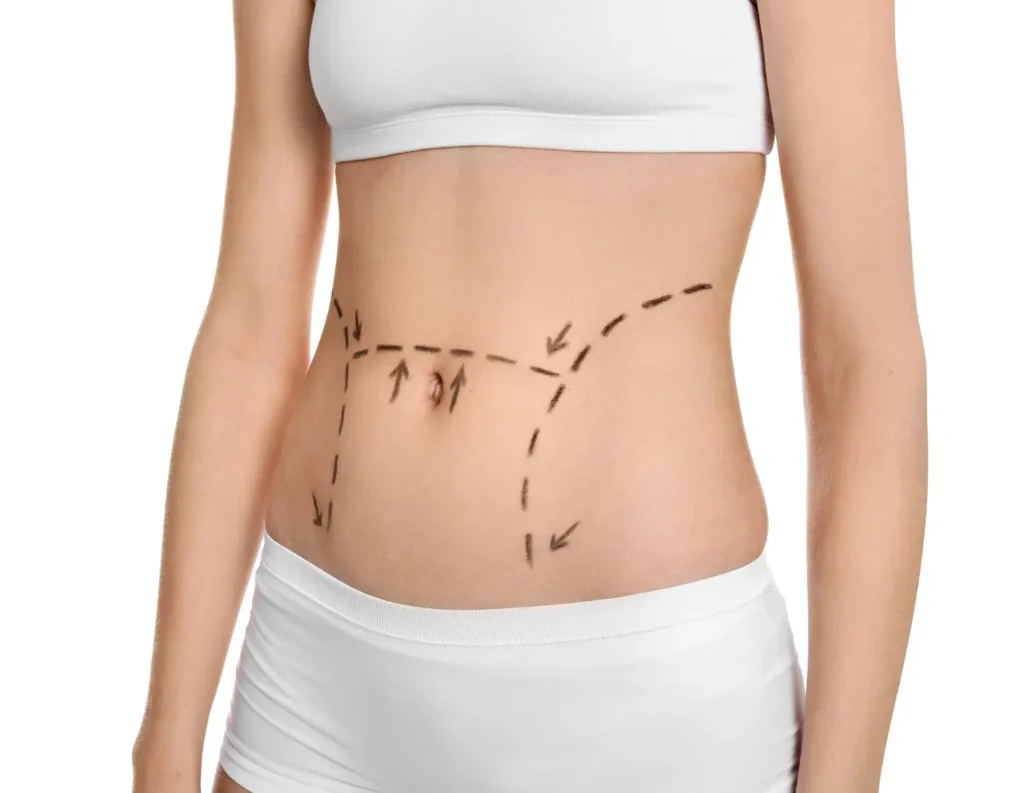
Abdominoplasty, commonly known as a tummy tuck, has evolved considerably beyond the traditional removal of excess abdominal skin. Modern body-contouring surgery focuses on creating a smoother, more proportionate abdomen while addressing several concerns at the same time, including loose skin, abdominal muscle separation, stubborn fat, and changes in body contour following pregnancy or significant weight loss.
For patients considering abdominoplasty dubai, these developments offer a more personalised approach to abdominal reshaping. Instead of relying on one standard technique, a plastic surgeon can evaluate the patient’s anatomy, skin quality, muscle condition, distribution of excess tissue, and aesthetic objectives before selecting an appropriate surgical strategy.
Dr. Matteo Vigo’s published information on abdominoplasty in Dubai describes different tummy-tuck approaches, including full or classic abdominoplasty and mini tummy tuck, with the choice based on the patient’s individual needs and aesthetic objectives.
What Is Modern Abdominoplasty?
Abdominoplasty is a surgical body-contouring procedure designed to improve the appearance and structure of the abdomen. Depending on the individual case, treatment may involve removing excess skin and fat, tightening separated or weakened abdominal muscles, and reshaping the remaining tissues.
A tummy tuck is particularly different from liposuction because liposuction primarily addresses excess fat, whereas abdominoplasty can also address loose skin and abdominal-wall concerns. Dr. Matteo Vigo explains that the two major issues addressed by a tummy tuck are excess skin and separation of the abdominal muscles, with fat removal potentially incorporated as part of the procedure.
Modern abdominoplasty therefore looks at the abdomen as a complete three-dimensional structure rather than treating surface fat alone.
Why Abdominoplasty Has Evolved
Traditional tummy tuck surgery established the foundation for abdominal body contouring, but advances in surgical planning have made it possible to tailor procedures more closely to individual anatomy.
Patients can have very different abdominal concerns. One person may have significant loose skin below the navel, while another may have muscle separation following pregnancy. Someone else may have excess tissue extending toward the flanks after major weight loss.
This means that one technique cannot provide the ideal solution for every patient.
Today’s approach may involve selecting between different forms of abdominoplasty, considering muscle repair, incorporating liposuction when appropriate, refining the belly button, and extending the treatment area when excess tissue extends beyond the central abdomen.
Full or Classic Abdominoplasty
A full abdominoplasty is generally considered when concerns extend across a substantial portion of the abdomen.
Dr. Matteo Vigo’s published information describes classic or full abdominoplasty as an option for patients seeking improvement both above and below the belly button. The technique can address general abdominal roundness and excess skin while allowing the surgeon to reshape the abdominal wall.
A full tummy tuck may involve:
- Removal of excess lower-abdominal skin
- Treatment of abdominal muscle separation where appropriate
- Repositioning of the belly button
- Refinement of abdominal contours
- Improvement of the transition between the upper and lower abdomen
The exact surgical plan depends on the patient’s anatomy and the amount and location of excess tissue.
Mini Tummy Tuck: A More Focused Approach
Not every patient requires a full abdominoplasty.
A mini tummy tuck focuses primarily on the lower abdomen and may be considered for individuals whose concerns are concentrated below the belly button.
Dr. Matteo Vigo’s published abdominoplasty information describes the mini tummy tuck as a less extensive option intended to improve the lower abdomen and address a lower-abdominal “pooch.”
The benefit of tailoring the operation to the actual problem is that patients do not necessarily undergo a more extensive procedure than their anatomy requires.
Extended Abdominoplasty for Broader Contouring
Some patients, particularly those who have experienced substantial weight loss, may have excess skin that extends beyond the front of the abdomen.
An extended tummy tuck can broaden the treatment area toward the sides of the waist. This approach can help address excess tissue that cannot be adequately treated through a standard central abdominal procedure.
Dr. Matteo Vigo describes an extended tummy tuck as a complete abdominoplasty combined with additional lateral contouring, allowing improvement of the flanks and upper lateral thigh region.
This demonstrates one of the major developments in body contouring: considering the abdomen and surrounding silhouette as interconnected areas.
Abdominal Muscle Repair
One of the most important distinctions between abdominoplasty and simple fat-reduction procedures is the ability to address abdominal-wall laxity or muscle separation.
Pregnancy can stretch the abdominal tissues and may contribute to separation between the rectus muscles. Significant weight fluctuations and ageing can also affect abdominal-wall firmness.
Dr. Matteo Vigo explains that muscle separation is one of the central concerns a tummy tuck can address.
When muscle repair is appropriate, the surgeon can incorporate it into the abdominoplasty plan to create a firmer abdominal wall and improve the overall contour.
Lipoabdominoplasty: Combining Skin and Fat Contouring
One of the significant developments in body-contouring surgery is the combination of abdominoplasty with liposuction when clinically appropriate.
Liposuction can address localised fat deposits, while abdominoplasty can address excess skin and abdominal-wall laxity. Combining the procedures can therefore provide a more comprehensive approach to abdominal shaping for selected patients.
However, combining procedures should always be based on individual anatomy, surgical considerations, and the surgeon’s assessment rather than being treated as a standard requirement.
Dr. Matteo Vigo’s recent guidance on tummy tuck recovery notes that recovery can vary depending on whether a patient undergoes a mini, full, or extended tummy tuck and whether simultaneous liposuction is performed.
Three-Dimensional Abdominal Contouring
Modern abdominoplasty is increasingly focused on three-dimensional body contouring rather than simply creating a flat abdomen.
The abdomen connects visually with the waist, flanks, hips, and lower torso. A completely flat central abdomen may still look disproportionate if surrounding contours are not considered.
Advanced surgical planning can therefore focus on:
- Waist definition
- Abdominal projection
- Flank contour
- Lower-abdominal shape
- Upper-abdominal transition
- Belly-button appearance
- Overall body proportions
This holistic approach helps the surgeon design a result that complements the patient’s existing physique.
Belly Button Refinement
The belly button is an important aesthetic feature of the abdomen. Because abdominoplasty changes the position and tension of abdominal skin, the umbilicus often needs to be repositioned or reconstructed during a full tummy tuck.
A well-designed belly button should fit naturally within the newly contoured abdomen rather than appearing overly prominent or artificial.
Modern abdominoplasty therefore pays close attention to its shape, position, depth, and relationship with the surrounding abdominal contours.
Natural-Looking Abdominal Contours
The goal of modern body contouring is not simply to make the abdomen as flat as possible.
A natural abdomen has subtle transitions and contours. The waist should relate appropriately to the rib cage and hips, while the lower abdomen should transition smoothly into the pubic region.
Surgical planning should therefore consider the patient’s:
- Height
- Body frame
- Existing muscle structure
- Skin quality
- Fat distribution
- Waist-to-hip proportions
- Amount of excess tissue
This personalised approach can produce a more harmonious appearance than applying the same contouring strategy to every patient.
Personalised Scar Planning
Every abdominoplasty involves an incision, and scar placement is an important part of preoperative planning.
The surgeon can consider the patient’s clothing preferences, existing scars, amount of skin removal, and required surgical access when determining incision placement.
Dr. Matteo Vigo’s published information describes the lower abdominal incision used in tummy tuck surgery and discusses different abdominoplasty approaches according to the patient’s anatomy and objectives.
Patients should discuss scar expectations during consultation and understand that scar maturation is a gradual process.
Modern Approaches to Abdominal Skin Tightening
Excess skin is one of the concerns that often leads patients to consider a tummy tuck.
After pregnancy or substantial weight loss, skin may remain stretched even after the underlying weight has stabilised.
Diet and exercise can improve muscle tone and reduce fat, but they cannot always remove significant quantities of permanently stretched skin. Dr. Matteo Vigo notes that loose skin following pregnancy or significant weight loss can be a primary reason for considering abdominoplasty.
Surgical skin removal allows the surgeon to reshape the remaining skin around the newly contoured abdominal wall.
Abdominoplasty After Pregnancy
Pregnancy can produce several changes in the abdominal area at the same time.
These may include:
- Stretched abdominal skin
- Stretch marks
- Changes in abdominal muscle position
- Loss of abdominal definition
- Localised fat deposits
- Changes in the belly-button appearance
Because abdominoplasty can address multiple structural concerns, it may be considered by women who have completed pregnancy and want to restore their abdominal contour.
Dr. Matteo Vigo’s published information identifies pregnancy and childbirth among the common circumstances associated with changes that may lead patients to consider tummy tuck surgery.
Abdominoplasty After Significant Weight Loss
Major weight loss can create substantial improvements in overall health and body composition, but it can also leave behind loose skin.
When skin has been stretched significantly, exercise may not be sufficient to remove the remaining folds.
In these situations, advanced body-contouring surgery can be tailored to the distribution of excess skin. Depending on the patient’s anatomy, this may involve a full or extended abdominoplasty.
The goal is to remove excess tissue while creating a smoother relationship between the abdomen and surrounding body contours.
Combining Abdominoplasty With Other Procedures
For selected patients, abdominoplasty may be performed alongside other body-contouring procedures.
Liposuction is one of the most common complementary procedures because it addresses localised fat deposits that cannot be removed through skin excision alone.
However, the appropriate combination depends on the patient’s overall health, anatomy, treatment objectives, and surgical plan.
A consultation should establish whether combining procedures is appropriate and how this could influence the treatment and recovery process.
How Dubai Is Shaping Modern Body Contouring
Dubai has become an important destination for aesthetic and reconstructive surgery, with patients seeking personalised procedures and contemporary approaches to body contouring.
For patients researching abdominoplasty dubai, the emphasis should be on the quality of surgical planning rather than simply looking for the newest technique.
Innovation is valuable when it improves the ability to tailor surgery to the patient’s anatomy. The most appropriate technique may be a traditional full tummy tuck for one patient, a mini procedure for another, or an extended approach for someone with more widespread excess tissue.
The Role of Surgical Planning
Advanced abdominoplasty begins before the operating room.
During consultation, the surgeon can evaluate:
- Skin elasticity
- Excess skin distribution
- Abdominal-wall condition
- Muscle separation
- Fat distribution
- Previous abdominal surgeries
- Existing scars
- Body proportions
- Desired contour
- Future pregnancy plans
This information helps determine the appropriate surgical strategy.
A carefully developed plan can also help patients understand what the procedure can realistically accomplish.
Recovery After Advanced Abdominoplasty
Recovery depends on the type and extent of surgery.
A mini tummy tuck may involve a different recovery process from a full or extended abdominoplasty. Combining liposuction with tummy tuck surgery can also influence postoperative recovery.
Dr. Matteo Vigo’s 2026 recovery guidance states that recovery varies according to the procedure performed and whether liposuction is included. His published recommendations also emphasise planning adequate time away from work and daily responsibilities during the early recovery period.
Patients should follow their surgeon’s personalised instructions regarding movement, wound care, compression garments, physical activity, and follow-up appointments.
When Can Patients Return to Normal Activities?
Recovery is individual, and patients should not compare their healing timeline with someone else’s.
Early recovery commonly focuses on rest, gentle movement, and protecting the surgical area. As healing progresses, activity can gradually increase according to the surgeon’s instructions.
Dr. Matteo Vigo’s published tummy tuck information notes that healing can vary according to the procedure and other individual factors, while full maturation of the result can take considerably longer than the initial recovery period.
Patience is therefore an important part of the recovery process.
Choosing the Right Tummy Tuck Technique
There is no single tummy tuck technique that is ideal for everyone.
A patient with a small amount of lower-abdominal excess may be considered for a mini tummy tuck, while someone with significant skin laxity across the abdomen may benefit from a full procedure. Patients with excess tissue extending toward the sides may require a broader approach.
The objective should always be to match the technique to the problem.
For people considering tummy tuck dubai, this distinction is particularly important. A procedure should be selected after an examination rather than based solely on online photographs or another patient’s experience.
Why Dr. Matteo Vigo Is a Reference for Abdominoplasty Dubai
Dr. Matteo Vigo’s published resources cover multiple aspects of abdominoplasty, including full and mini tummy tucks, extended tummy tuck procedures, muscle tightening, recovery, and the role of liposuction.
His website explains that the appropriate tummy tuck approach depends on the patient’s aesthetic objective and the areas requiring improvement.
For patients exploring abdominoplasty dubai or tummy tuck dubai, a consultation with Dr. Matteo Vigo can provide an opportunity to discuss the condition of the abdominal wall, excess skin, body proportions, available surgical techniques, and the desired outcome.
Questions to Ask During Your Consultation
A thorough consultation can help patients make informed decisions. Consider asking:
- Which type of abdominoplasty is appropriate for my anatomy?
- Do I have abdominal muscle separation?
- Would a full or mini tummy tuck be more suitable?
- Would an extended approach improve my waistline?
- Is liposuction appropriate for my treatment plan?
- How will my belly button be positioned?
- Where will the incision be located?
- What should I expect during recovery?
- How long should I plan to be away from work?
- When can I resume exercise?
- How will my scars mature over time?
- What results are realistic for my body?
These questions encourage an individualised discussion rather than focusing only on the procedure’s name.
Frequently Asked Questions About Abdominoplasty Dubai
What is the difference between abdominoplasty and a tummy tuck?
They are two names for the same general surgical procedure. Abdominoplasty is the medical term, while tummy tuck is the commonly used term.
Can a tummy tuck remove loose abdominal skin?
Yes. Removing excess skin is one of the primary purposes of abdominoplasty. Dr. Matteo Vigo’s published information specifically identifies excess abdominal skin as a central concern addressed by tummy tuck surgery.
Can abdominoplasty address separated abdominal muscles?
It can. When muscle separation is present and appropriate for surgical correction, abdominal muscle repair can be incorporated into the procedure.
Is a mini tummy tuck suitable for everyone?
No. A mini tummy tuck is generally intended for patients whose concerns are concentrated in the lower abdomen. Dr. Matteo Vigo describes the mini approach as targeting the area below the belly button.
Can liposuction be combined with a tummy tuck?
It can be considered for selected patients. The combination can address both excess skin and localised fat, but the appropriate plan depends on individual anatomy and surgical assessment.
How long does tummy tuck recovery take?
Recovery varies according to the extent of surgery and individual healing. Dr. Matteo Vigo’s published guidance emphasises that patients should plan adequate time for recovery and gradually return to normal activities according to postoperative instructions.
Is abdominoplasty a weight-loss procedure?
No. Abdominoplasty is primarily a body-contouring procedure. It is designed to reshape the abdomen by addressing concerns such as excess skin and abdominal-wall laxity rather than serving as a substitute for weight-management treatment.
Final Thoughts
Advanced abdominoplasty is increasingly about precision, personalisation, and three-dimensional body contouring. Modern techniques allow surgeons to select an approach according to the patient’s specific anatomy rather than treating every abdomen in exactly the same way.
From full and mini tummy tucks to extended contouring, muscle repair, belly-button refinement, and carefully selected liposuction, today’s options can address several aspects of abdominal appearance within a personalised surgical plan.
For patients researching abdominoplasty dubai, understanding these options can make the consultation process more meaningful. Similarly, anyone searching for tummy tuck dubai should look beyond the procedure’s name and consider the surgeon’s assessment, the proposed technique, the expected contour, and the recovery plan.
Dr. Matteo Vigo’s published resources provide detailed information about the different approaches to tummy tuck surgery and emphasise selecting the procedure according to individual aesthetic objectives and abdominal characteristics.
Ultimately, the most meaningful innovation in abdominoplasty is not simply adopting a newer technique. It is using the right technique for the right patient—creating an abdominal contour that is smoother, balanced, and consistent with the individual’s natural body shape.