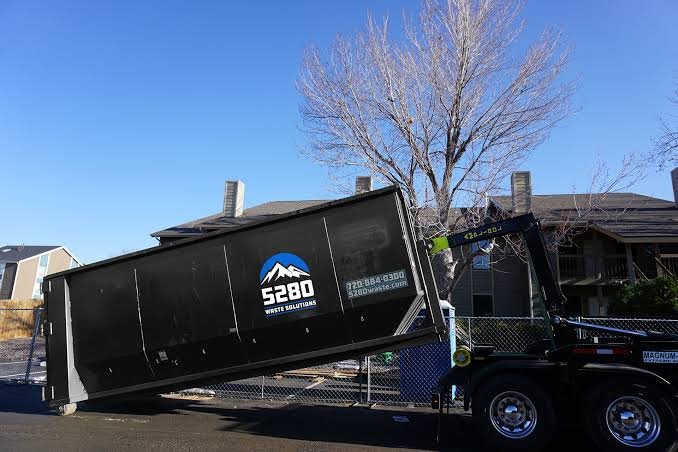
Dumpster rental for yard waste is a convenient way to collect and dispose of landscaping debris, leaves, branches, grass clippings, shrubs, and other outdoor waste. It provides a central container for materials generated during garden maintenance, tree trimming, landscaping renovations, and seasonal property cleanups.
Instead of transporting multiple loads of debris to a disposal facility, homeowners and contractors can rent a dumpster and arrange collection when the project is complete. This approach can save time, simplify cleanup, and keep outdoor work areas more organized.
Yard waste dumpsters are available in several sizes, making them suitable for small garden projects as well as larger landscaping jobs. However, accepted materials vary by provider. Soil, rocks, concrete, sod, and large tree stumps may require specialized containers or separate disposal arrangements.
Choosing the right dumpster rental for yard waste depends on the volume of debris, the type of yard waste, the rental period, and the provider’s disposal requirements.
How Does Yard Waste Dumpster Rental Work?
1. Estimate the Amount of Yard Waste
The first step is to determine how much material the project will generate. A small garden cleanup may produce a few bags of leaves and grass, while tree removal or major landscaping work can generate substantial quantities of branches, brush, and woody debris.
Estimating the volume helps determine the appropriate container size and reduces the likelihood of needing an additional rental.
2. Choose the Right Dumpster
Rental providers offer containers with different capacities and weight allowances. A landscaping contractor may require a larger roll-off dumpster, while a homeowner completing a small outdoor project may need a more compact option.
The container should accommodate the expected debris without exceeding its rated weight or fill limits.
3. Arrange Delivery and Placement
The provider delivers the dumpster to an agreed location. The placement area should be stable, accessible, and large enough for both the container and the delivery vehicle.
Before delivery, check for overhead branches, narrow access points, underground utilities, and local permit requirements if the dumpster will occupy a public street or other regulated area.
4. Load the Yard Waste
Place permitted materials inside the container and distribute the load evenly. Branches should be arranged efficiently to reduce unused space, while sharp or protruding materials should remain within the container’s permitted loading limits.
Never overload a dumpster or allow branches and other debris to extend beyond its designated fill line.
5. Schedule Pickup and Disposal
When the dumpster is full or the rental period ends, the provider collects it and transports the material to an appropriate processing or disposal facility.
Depending on local services and the type of debris, yard waste may be composted, chipped, recycled, or sent to another approved facility.
What Can Go in a Yard Waste Dumpster?
Leaves and Grass Clippings
Leaves and grass clippings are common materials generated during routine lawn maintenance and seasonal cleanup.
Many providers accept these materials in designated yard waste containers. However, some companies require them to be separated from branches, soil, and household garbage.
Tree Branches and Brush
Tree trimming and shrub removal can produce large amounts of woody debris. A yard waste dumpster can provide a convenient place to collect branches, twigs, brush, and suitable cut vegetation.
Check the provider’s maximum branch length, diameter, and loading requirements before arranging delivery.
Shrubs, Weeds, and Garden Plants
Removed shrubs, weeds, flowers, vines, and other plant material are often suitable for green waste collection.
Materials should be free of prohibited contaminants such as plastic pots, garden tools, chemical containers, and other nonorganic debris.
Tree Trunks and Stumps
Large trunks and stumps can be difficult to handle because of their size and weight. Some providers accept them under specific conditions, while others exclude them or charge additional fees.
Always confirm the acceptance rules for large woody material before loading it into a rental dumpster.
What Usually Requires Special Arrangements?
| Material | Typical Disposal Guidance |
|---|---|
| Leaves and grass clippings | Often accepted in yard waste dumpsters |
| Small branches and brush | Commonly accepted, subject to size limits |
| Shrubs and weeds | Often accepted if free of contaminants |
| Tree trunks and stumps | May require approval or special pricing |
| Soil and dirt | Frequently subject to weight restrictions |
| Sod and turf | May require separate disposal arrangements |
| Rocks and concrete | Usually require a heavy-material container |
| Pesticides and fertilizers | May require specialized disposal |
| Plastic pots and garden furniture | Usually treated as general waste, not green waste |
Acceptance rules vary by provider and location, so the rental agreement should always be checked before loading materials.
Dumpster Sizes for Yard Waste
Selecting an appropriate container helps prevent unnecessary expenses and collection delays. Dumpster capacities are commonly measured in cubic yards in the United States.
| Dumpster Size | Typical Project | General Suitability |
|---|---|---|
| 10 cubic yards | Small garden cleanup | Leaves, light brush, and limited debris |
| 15 cubic yards | Moderate landscaping work | Shrub removal and seasonal cleanup |
| 20 cubic yards | Larger garden renovation | More substantial branches and brush |
| 30 cubic yards | Major landscaping projects | High volumes of permitted yard debris |
| 40 cubic yards | Large-scale cleanup | Extensive vegetation and light, bulky debris |
These are general planning examples. Availability, dimensions, weight limits, and permitted materials differ between providers.
The best dumpster size is determined by both the amount of debris and its weight. A container that works for dry branches may not be appropriate for wet soil, sod, or dense tree trunks.
How Much Does Dumpster Rental for Yard Waste Cost?
The price of a yard waste dumpster depends on the project and the rental provider. There is no universal rate that applies to every location or type of debris.
Dumpster Size and Capacity
Larger containers generally cost more to rent because they require more space and handling resources. Choosing a container that is too small can also increase expenses if an additional delivery or rental is necessary.
Rental Duration
Some providers include a set rental period, while others charge extra for keeping the container longer.
Estimate how long the cleanup will take, including time for tree trimming, hauling debris from the yard, and loading the dumpster.
Weight Allowance
Yard waste can become heavy when wet, especially when it includes grass clippings, leaves, soil, or sod.
Ask about the included weight allowance and any additional charges before booking. Dense materials may need a dedicated container even when their total volume appears relatively small.
Delivery and Disposal Fees
The total rental price may include delivery, pickup, disposal, and a specified weight allowance. Additional charges can apply for extended rentals, overweight loads, restricted materials, or difficult delivery conditions.
Request an itemized quote that clearly identifies the rental period, included weight, accepted materials, and potential extra fees.
Benefits of Renting a Dumpster for Yard Waste
Convenient Cleanup
A dedicated container gives homeowners and landscaping crews one place to collect debris throughout a project.
This reduces scattered piles of branches and vegetation and helps maintain a more organized work area.
Saves Time and Effort
Without a dumpster, multiple trips to a disposal or composting facility may be necessary.
A rental container can consolidate the material into one collection, depending on the project’s size and the provider’s service arrangement.
Suitable for Different Projects
Yard waste dumpsters can support a variety of outdoor tasks, including:
- Seasonal leaf removal
- Tree and shrub trimming
- Garden renovations
- Landscaping redesigns
- Storm debris cleanup
- Property preparation and outdoor maintenance
Supports Responsible Waste Management
Separating vegetation from household garbage can make it easier to direct suitable materials to composting or green waste processing facilities.
Branches may be chipped into mulch, while leaves and grass clippings may be processed into compost where suitable facilities are available.
Keeping yard waste separate from unsuitable materials can improve recycling opportunities and reduce unnecessary landfill disposal.
Yard Waste Dumpster Rental vs. Other Disposal Options
Not every outdoor cleanup requires a rented dumpster. The best method depends on the amount and type of material.
| Disposal Method | Best Suited For | Main Consideration |
|---|---|---|
| Yard waste dumpster | Large cleanup projects | Rental and delivery costs |
| Curbside green waste collection | Routine yard maintenance | Local limits and collection schedules |
| Composting | Suitable leaves and plant material | Requires space and appropriate materials |
| Chipping and mulching | Branches and woody debris | May require equipment or a service provider |
| Drop-off recycling facility | Separated green waste | Requires transportation |
| Private yard waste hauling | Projects needing labor and removal | Pricing depends on volume and service |
For a small amount of leaves, curbside collection or composting may be more economical. For a major landscaping project, a rental dumpster can provide a more convenient solution.
How to Choose a Yard Waste Dumpster Rental Company
Check Accepted Materials
Ask the provider whether the dumpster is intended exclusively for green waste or can also accommodate other approved landscaping materials.
Confirm restrictions for tree stumps, soil, sod, rocks, treated wood, and mixed debris.
Compare Rental Terms
Review the rental duration, weight allowance, collection schedule, and additional charges.
Comparing quotes with the same container size and project requirements helps identify the most suitable service.
Confirm Delivery Access
The delivery area should have sufficient clearance and a suitable surface for the container.
Consider the driveway width, overhead branches, vehicle access, and distance between the work area and the dumpster.
Review Environmental Disposal Practices
Ask whether suitable vegetation is directed to composting, chipping, or other recovery facilities.
Although processing options vary by location, responsible handling can help reduce the environmental impact of yard cleanup.
Best Practices for Yard Waste Dumpster Rental
Separate Different Materials
Keep green waste separate from household garbage, construction debris, and restricted chemicals unless the provider explicitly permits mixed loads.
Separating materials makes disposal requirements easier to manage.
Prepare Branches Efficiently
Trim branches to fit within the permitted loading dimensions. Arrange woody material to use container space effectively without creating dangerous protrusions.
Avoid Overloading
Do not exceed the container’s fill line or weight limit. Heavy loads can create transportation hazards and additional disposal costs.
Plan the Rental Period
Arrange delivery before major cleanup work begins and schedule collection around the expected completion date.
Allow extra time for unexpected debris, weather delays, or additional landscaping work.
Keep the Site Safe
Wear appropriate gloves and footwear when handling branches and vegetation. Keep access paths clear and avoid placing sharp or unstable debris where it could injure workers or passersby.
Frequently Asked Questions
What is a yard waste dumpster rental?
A yard waste dumpster rental provides a temporary container for collecting landscaping debris such as leaves, branches, grass clippings, shrubs, and other accepted vegetation.
What size dumpster is best for yard waste?
A 10-yard dumpster may suit a small garden cleanup, while 20- to 30-yard containers can accommodate larger landscaping projects. The correct size depends on debris volume, material weight, and provider restrictions.
Can soil and dirt go into a yard waste dumpster?
Soil and dirt are frequently restricted because they are dense and can quickly exceed the container’s weight allowance. Confirm the provider’s requirements before including them.
Can a dumpster be used for tree removal?
Yes, some providers offer dumpsters for branches and tree debris. Large trunks, stumps, and heavy root systems may require a specialized container or separate disposal arrangement.
Is renting a dumpster better than curbside yard waste pickup?
A dumpster may be more convenient for large projects that generate substantial debris. Curbside collection can be more economical for smaller amounts of eligible yard waste.
Can yard waste be recycled?
Many types of yard waste can be composted, chipped, or processed into mulch, depending on local facilities and material quality. Keeping vegetation free of contaminants improves the potential for recovery.
How long can a yard waste dumpster be rented?
Rental periods vary by provider and may include several days or longer. Confirm the included duration and any extension fees before booking.
Final Thoughts
Dumpster rental for yard waste provides a practical solution for managing landscaping debris, tree branches, leaves, shrubs, and other outdoor cleanup materials. It offers a centralized collection point, reduces the need for repeated disposal trips, and helps keep landscaping projects organized.
Choosing the right container requires careful consideration of waste volume, material weight, rental duration, delivery access, and accepted materials. Customers should also compare service terms and confirm whether specialized debris requires separate handling.
For smaller projects, curbside collection or composting may be sufficient. For major landscaping work, storm cleanup, or extensive tree and shrub removal, a suitable yard waste dumpster can make cleanup more efficient while supporting responsible green waste management.