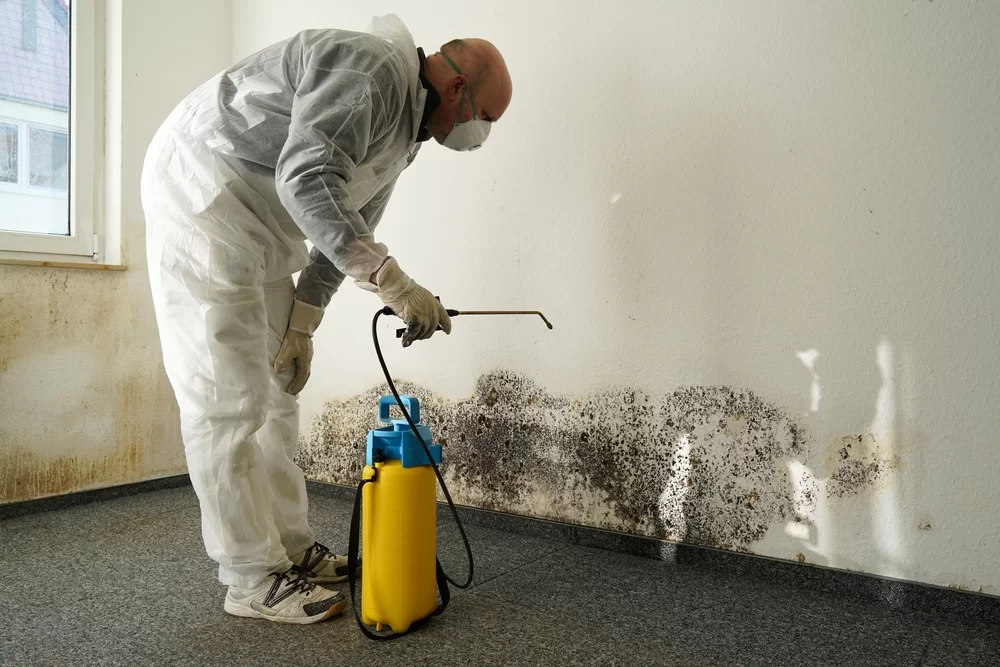
Molds aren’t just unpleasant stains on your ceilings or walls; they can be detrimental to the structural integrity of your building, the quality of your indoor air, and even your well-being in general. When small patches of surface mold don’t appear to pose any danger, hidden molds usually multiply very rapidly when ignored. The presence of moisture caused by leaks, floods, or poor ventilation is an optimal condition for mold.
Being able to recognize the symptoms will allow you to take action and address the problem before it causes serious harm. Mold removal professionals do more than just clean up the mess. They find the source of the problem, which prevents further outbreaks.
Persistent Musty Odors Throughout the Property
The presence of a mildew smell is considered one of the first signs of mold presence. It occurs even in cases when there is no mold visible, and the mold spores have settled behind the wall, under the floor covering, in air conditioning units, or in the crawl space. The application of various deodorizing agents or cleaning products will not resolve the issue, but just cover up the smell.
In cases where the odor is intensified after rains or when the humidity level is high, there might be some mold already developing in the hidden spots. Mold remediation specialists are equipped with appropriate equipment that helps them find the colonies and eliminate the problem.
Visible Mold Growth on Walls, Ceilings, or Floors
Even if mold is small in size and any color, it must be treated. Mold can have many colors like black, green, white, gray, or even orange, according to the species and surface where it grows. Small spots of mold can easily grow under exposure to moisture and damage such materials as drywall, wood, insulation, and flooring.
It is impossible to wash visible mold without any special equipment. This procedure usually removes only the top layer. Remediation specialists conduct a complete inspection and removal of contaminated items and make sure that no spores will go beyond the work area.
Water Damage or Recent Flooding
Properties that have been subjected to water damage through floods, leaking pipes, damaged roofs, or burst pipes are more prone to mold infestation. Mold may start growing 24 to 48 hours after the introduction of water, provided the material isn’t thoroughly dried out. Although all traces of water have vanished, water that has seeped into the walls and beneath the floors can sustain mold growth for several weeks. If your property has suffered from water damage, it is best that you schedule an inspection for mold.
Increased Allergy or Respiratory Symptoms Indoors
If family members and employees have symptoms such as sneezing, coughing, itchy eyes, congestion, headaches, or trouble breathing, but feel better once they get out of the building, indoor mold may be affecting the air quality indoors. Mold spores float around in the air and spread through the ventilation system, even if the mold isn’t visible.
People who suffer from asthma, allergies, suppressed immunity, or breathing problems are especially susceptible. In addition to removing mold colonies, professional mold remediation will also help improve the air quality in your building by reducing floating mold spores and moisture problems that lead to mold growth.
Peeling Paint, Bubbling Walls, or Warped Surfaces
Alterations to your walls, ceilings, and floorings could be pointing towards moisture issues that lead to the growth of mold. Paint bubbling, peeling wallpaper, warping of wooden floorings, stained ceilings, and damp drywall could mean water damage that is occurring inside the construction. Though it can be considered insignificant at first, it often indicates something much bigger happening in the structural components of your home.
If you neglect those signs, the mold will keep growing inside. This can cost you more as time goes by, for professional mold remediation specialists will look for the source of the issue, fix it, and remove it.
Recurring Mold After Repeated Cleaning
Most probably, in cases where mold continually reappears despite being cleaned several times, this problem has probably never really been solved in the first place. Household detergents and bleach can help get rid of mold on non-porous surfaces, but they do not always work to eliminate mold growing in drywall, insulation, wood, or any other type of porous surface. Unless the moisture problem is identified and addressed, the mold will continue to keep coming back.
Mold remediation professionals offer more than just basic surface cleaning because they utilize high-tech means such as containment, HEPA air filtration, moisture detection, and mold elimination techniques.
The End
Identifying the presence of mold in its early stages can prevent expensive repair work, damage to the building structure, and potential hazards. Instead of settling for an ineffective cleaning process, hiring professional mold remediation services in Pasadena will help eliminate mold, improve air quality, and reduce future occurrences. If any of these signs have become evident in your home or office, taking action can help ensure the safety of the building.