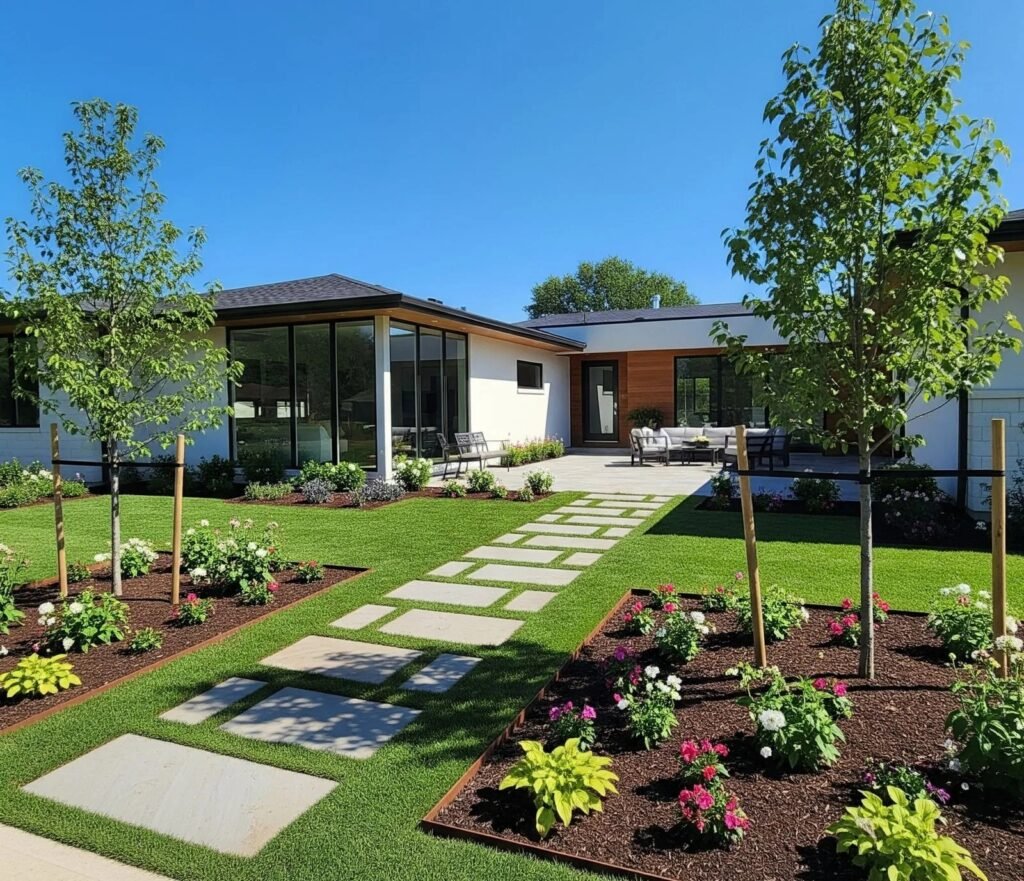
A well planned yard can become one of the most enjoyable parts of a home. Instead of using the outdoor area only for a traditional lawn, homeowners can create comfortable spaces for dining, relaxing, entertaining, and spending time with family. With thoughtful improvements, an ordinary yard can become a practical extension of the home.
An outdoor living remodel can improve how a property is used by creating dedicated areas for seating, dining, recreation, and relaxation. Artificial turf installation can complement these improvements by providing a consistent lawn like surface with a different maintenance routine than natural grass.
Both options can offer practical benefits, but they require careful planning. Property layout, drainage, sunlight, existing landscape features, intended use, and long term care should all be considered before a project begins.
What Is an Outdoor Living Remodel?
An outdoor living remodel is a landscape improvement project that makes exterior areas more useful and comfortable. The project can involve a small patio update or a larger redesign that connects multiple areas of the yard.
The goal is not simply to add attractive features. A successful design should support the way homeowners actually use their property. A family that enjoys outdoor meals may need a convenient dining area, while someone who prefers relaxing outside may benefit from comfortable seating and shade.
Designing Around Your Lifestyle
Before making changes, consider what you enjoy doing outdoors. Think about where guests will sit, where meals will be served, and how people will move between the home and different parts of the yard.
The connection between indoor and outdoor areas is particularly important. A patio located near the kitchen can make outdoor dining easier, while a comfortable seating area near the home can encourage more frequent use.
Planning around everyday activities can help ensure that the finished landscape is both attractive and practical.
Popular Features for Outdoor Living Spaces
Outdoor living areas can be customized to suit different homes, budgets, and preferences. Not every property needs every feature, so homeowners should focus on improvements that provide genuine value.
Some commonly considered features include:
- Patios, outdoor seating areas, cooking spaces, walkways, shade structures, fire features, lighting, and planting areas.
- Privacy features, garden spaces, decorative walls, open activity areas, and spaces designed for entertaining.
The goal should be balance. Leaving some open space can make a yard feel more comfortable and easier to navigate.
Why Planning Matters Before Construction
A successful outdoor renovation starts with understanding the existing property. Before selecting materials or finalizing a design, consider the size and shape of the yard, existing landscaping, sunlight, drainage, access points, and areas that receive heavy foot traffic.
Planning also helps different landscape elements work together. Patios, artificial turf, planting beds, walkways, and seating areas should feel connected rather than appearing as unrelated additions.
Consider Sunlight and Shade
Sun exposure can influence the comfort and performance of outdoor spaces. A seating area exposed to strong afternoon sunlight may benefit from shade, while planting areas may require specific light conditions.
Observing the property throughout the day can help determine where different features should be placed. This simple step can make the finished space more comfortable.
The Importance of Proper Drainage
Drainage is an important part of landscape planning. Rainwater should have a suitable path away from buildings, patios, walkways, and other areas where standing water could cause problems.
Adding new surfaces can change the way water moves across a property. For this reason, drainage should be considered before construction begins.
A professional site assessment can help identify low areas, existing drainage concerns, and other conditions that may influence the design.
Understanding Artificial Turf Installation
Artificial turf installation involves preparing an area and placing manufactured grass to create a lawn like surface. Homeowners may consider this option when they want a consistent green appearance without mowing natural grass.
Artificial turf can reduce some routine lawn care tasks, but it still requires regular attention. Leaves, dirt, dust, and other debris can collect on the surface and should be removed.
The quality of installation also matters. Proper ground preparation, a stable base, secure edges, and suitable drainage can help support the appearance and performance of the finished surface.
Potential Benefits of Artificial Turf
One of the main reasons homeowners consider artificial turf is its consistent appearance. Natural grass can develop bare spots due to weather, foot traffic, soil conditions, or other factors.
Artificial turf can provide a uniform lawn like surface and may be useful in certain areas where maintaining natural grass is challenging.
It can also be considered for spaces that receive regular foot traffic. However, it is important to evaluate the specific property before choosing this option.
Factors such as drainage, sunlight, intended use, surrounding plants, and personal preferences can all affect whether artificial turf is appropriate.
Combining Artificial Turf With an Outdoor Living Remodel
Artificial turf can become part of a larger outdoor design instead of being treated as a separate improvement. When turf, patios, walkways, planting areas, and seating spaces are planned together, the landscape can have a more cohesive appearance.
For example, a patio can provide a dedicated area for outdoor meals and furniture, while artificial turf can create an open lawn like area nearby. Planting beds can soften the transition between the different surfaces.
This approach can make it easier to create distinct areas while maintaining a connected overall design.
Creating Functional Zones
Different sections of a yard can serve different purposes. One area might be used for dining, another for relaxing, and another for recreation.
Artificial turf can provide an open surface for activities, while patios and other hardscape areas can support outdoor furniture.
Careful placement of these zones can improve movement throughout the property and help homeowners get more value from their available space.
Preparing the Site for Artificial Turf
Proper preparation is one of the most important parts of artificial turf installation. Existing grass, weeds, roots, debris, and unsuitable material may need to be removed before installation.
The ground may then need to be leveled and prepared with an appropriate base. The exact preparation process depends on the existing site conditions and how the area will be used.
Drainage should be evaluated before the turf is installed. If water already collects in the area, the underlying issue should be addressed rather than simply covering it.
The turf edges should also be properly secured. Clean and stable edges can improve the finished appearance and help prevent movement.
Maintaining Artificial Turf After Installation
Artificial turf can reduce certain lawn care tasks, but regular maintenance is still important. Keeping the surface clean can help preserve its appearance and make the outdoor area more pleasant.
Basic care can include:
- Removing leaves and debris, cleaning high use areas, and brushing the surface when appropriate.
- Checking drainage and edges, watching for uneven sections, and addressing damage when necessary.
Properties with pets may require additional cleaning based on how frequently the lawn is used.
A consistent maintenance routine can help keep the turf and surrounding landscape in good condition.
Caring for Outdoor Living Features
An outdoor living remodel also requires attention after installation. Patio surfaces may need periodic cleaning, furniture may require seasonal care, and outdoor lighting should be inspected from time to time.
Planting areas should also be maintained so that vegetation does not block walkways or interfere with seating and other outdoor features.
Regular inspections can help identify loose materials, surface damage, drainage concerns, or other minor issues before they become more difficult to address.
Choosing the Right Landscape Professional
The quality of planning and installation can have a significant effect on the finished project. Homeowners should look for a professional with relevant experience and a clear approach to design and construction.
Ask about site preparation, materials, drainage, installation methods, maintenance requirements, and project timing. A reliable professional should be willing to explain the process in simple terms.
Reviewing completed projects can also help homeowners understand a provider’s workmanship and design style. Customer feedback can provide additional insight, although it is helpful to consider multiple sources.
What to Discuss Before Work Begins
Before approving a project, make sure the scope of work is clear. Discuss what is included in preparation, material selection, installation, drainage improvements, cleanup, and post installation guidance.
Clear communication can reduce misunderstandings and help homeowners compare proposals more effectively.
Planning for Long Term Use
Outdoor improvements should be designed for more than immediate visual appeal. Consider how the space may be used several years from now.
A family may need more open space as children grow, while homeowners who enjoy entertaining may eventually want additional seating. Flexible designs can make it easier to adapt the property to changing needs.
Durable materials, proper installation, good drainage, and manageable maintenance can also help protect the long term usefulness of the landscape.
Making Your Yard More Comfortable
The purpose of an outdoor renovation is to make the property more enjoyable. A comfortable patio can encourage outdoor meals, while a lawn like area can provide room for recreation and relaxation.
Artificial turf can be one option for creating a consistent surface, while outdoor living features can provide dedicated spaces for different activities.
The strongest designs balance appearance with function. A landscape should not only look attractive, it should also be easy and comfortable to use.
Final Thoughts
An outdoor living remodel can turn an underused yard into a comfortable extension of the home. Artificial turf installation can complement the project by providing a consistent lawn like surface and a different approach to routine grass maintenance.
Careful planning is essential for achieving a practical result. Homeowners should consider drainage, sunlight, property layout, intended use, materials, installation quality, and long term maintenance before making final decisions.
For homeowners seeking professional assistance with outdoor transformations, Kingswood Landscape can help create attractive and functional landscape spaces designed around the property’s needs and the homeowner’s lifestyle.