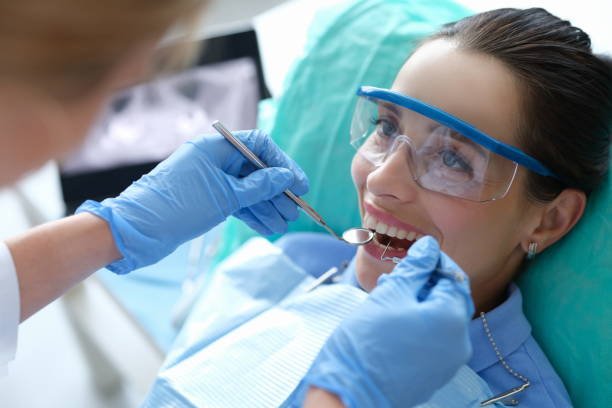
A better smile sounds great, right? Most people would probably say yes. But before booking an appointment, it’s worth asking what you actually want changed. If you’re considering a Cosmetic Dentist, maybe you have stained teeth, a chipped front tooth, small gaps, or teeth that have never looked quite even. Whatever the reason, cosmetic dentistry can make a noticeable difference. Still, it isn’t something you should rush into just because you like a few before-and-after pictures online. Dental work costs money. Some treatments are permanent. So, there’s a bit more to think about.
Figure Out What Is Really Bothering You
Start there. What bugs you when you look at your smile? It might be one tooth that stands out, or maybe the whole smile feels dull. Sometimes people think they need veneers when a simple whitening treatment could make them happy. Someone else might have worn or chipped teeth where bonding makes more sense. There are also braces and clear aligners for teeth that are crowded or sitting in the wrong place. Point is, don’t pick the treatment first and then try to find a reason for it. Explain what you don’t like and let the dentist talk through the possible fixes.
Your Teeth Need to Be Healthy First
This part isn’t very exciting, but it matters a lot. Cosmetic treatment shouldn’t be used to cover up dental problems that need attention. Cavities, gum problems, infections, worn teeth, and other issues may need to be treated before anything cosmetic happens. Putting a nice-looking veneer on a tooth that has a bigger problem underneath doesn’t solve much. A responsible dentist will look at your oral health before talking too much about changing the appearance. And honestly, that’s a good sign. You want someone looking at the whole picture, not just selling you a prettier smile.
Every Cosmetic Treatment Has a Trade-Off
There’s no single cosmetic treatment that works for everyone. Teeth whitening is relatively straightforward, but it won’t fix the shape of a tooth. Bonding can repair small chips and make certain teeth look more even, often without much alteration to the natural tooth. Veneers can change the size, colour and shape of teeth quite dramatically, but they are a much bigger decision. Depending on the type, some natural enamel may need to be removed, and replacement can be needed later. That doesn’t mean veneers are bad. It just means you should know what you’re agreeing to before you sit in the chair.

Don’t Get Distracted by Before-and-After Photos
Yes, they look impressive. That’s kind of the point. But a photo doesn’t tell you everything. You can’t see how much work was done, how long it took, what the patient’s teeth looked like beforehand in person, or what maintenance will be needed down the road. Ask those questions. How long should the result last? Will the teeth need special care? What happens if something breaks? Are there foods or habits you’ll need to change? These aren’t annoying questions. They’re the questions you should be asking before spending thousands on your smile.
A Natural Smile Usually Has Some Character
Perfectly identical teeth aren’t always what you want. Real teeth have little differences in shape and colour. They aren’t all the exact same size, and that’s normal. Good cosmetic dentistry should take things like your face, smile line, skin tone, and natural tooth shape into account. You don’t want to open your mouth and have everyone immediately notice that you’ve had “work done.” Sometimes the best cosmetic dentistry is the kind people notice without knowing why you look better. It should still look like you.
Price Matters, But Don’t Make It the Only Thing
Nobody wants to pay more than they need to. That’s understandable. But choosing a cosmetic dentist based only on the lowest quote can come back to bite you, literally. Experience matters, especially when you’re dealing with visible front teeth. Look at the dentist’s previous work if they have examples available. Ask what the quoted price includes. Find out about adjustments and follow-up appointments too. And listen to how they explain things. If someone is pushing a treatment you didn’t ask for or promising you a completely flawless smile with no downsides, be a little suspicious. A good dentist should be willing to tell you what may not work too.
Talk to a General Dentist About Your Overall Smile
Before jumping into cosmetic treatment, a General Dentist can help you understand what’s happening with your teeth and gums overall. That matters because an issue that looks purely cosmetic may have another cause. Tooth wear, gum recession, an uneven bite, or grinding can all affect how your smile looks. If those things aren’t considered, you could end up spending money fixing the appearance while the original problem keeps going. Sometimes the best first step isn’t a cosmetic procedure at all. It’s simply getting your mouth healthy and stable.
Be Honest About Your Budget and Expectations
Cosmetic dentistry can get expensive fairly quickly, depending on what you’re having done. Insurance often doesn’t cover treatments that are mainly for appearance, so get the numbers upfront. If there’s a payment plan, look at the total cost rather than just thinking about the monthly payment. That little number can be misleading if you’re not careful. Expectations matter just as much. You can improve your smile, sometimes by a lot, but you probably won’t walk out looking exactly like someone in a heavily edited social media photo. Your teeth still need to work properly. That should never get lost in the pursuit of a nicer smile.
So, Is Cosmetic Dentistry Actually Worth It?
It can be. For someone who has been hiding their teeth for years, even a fairly small improvement can feel like a big deal. Maybe you smile more. Maybe you stop covering your mouth when you laugh. Those things have value too. But cosmetic dentistry is worth it when the treatment makes sense for your teeth, your finances and your expectations. Don’t rush because you’re unhappy with one picture of yourself. Get an exam. Ask what your options are. Find out what’s reversible and what isn’t. You may discover that you need less work than you thought. Or you may decide that a bigger change really is worth it. Either way, making the decision with your eyes open is the smart part.