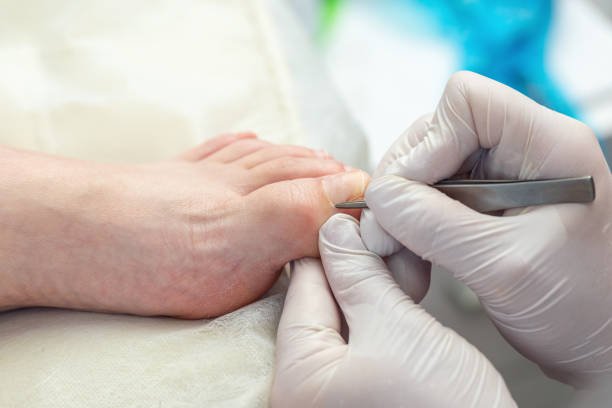
Most people don’t book an appointment for an ingrown toenail the moment it starts hurting. Usually, they wait. Maybe it will settle down. Maybe a different pair of shoes will help. Then a few days pass, and the toe is throbbing every time it hits the floor. When an ingrown toenail gets severe, or keeps coming back in the same spot, home treatment can become a losing battle. A podiatrist can look at what’s really causing it and choose treatment based on that. Sometimes it’s simple nail care. Sometimes the nail needs to be partly removed. In stubborn cases, nail surgery for ingrown toenails may be the more sensible option. It isn’t about making a small problem sound bigger. It’s about stopping a problem that refuses to stay gone.
When an Ingrown Toenail Becomes a Serious Problem
There is a big difference between a toenail that’s slightly uncomfortable and one that’s properly digging into the skin. Early on, you might notice a sore spot along one side of the nail. The skin can look a little pink. Fine. That’s often the stage when people start trying home remedies. But things can change quickly. Continued pressure causes more irritation, the skin swells, and walking becomes uncomfortable. You may see fluid or pus around the nail too. Sometimes the skin grows up and around the nail edge, making the whole area look bigger than it should. And once the toe gets to that point, cutting the nail yourself isn’t always a clever move. You can nick the skin, push bacteria into the area, or leave another sharp piece behind.
Why Some Ingrown Toenails Keep Coming Back
Recurring ingrown toenails are especially irritating because it feels like you’ve already dealt with the problem. Yet there it is again. Often, there’s a reason. The nail may naturally curve more deeply into the skin. It might be unusually thick. Previous trauma can change how it grows. Then there are everyday habits. Cutting the nail too short. Rounding the corners. Wearing shoes that squeeze the toes together. All of these can contribute. Some people also put a lot of pressure on their toes because of work, sport, or the way they walk. So a podiatrist isn’t only interested in removing the painful nail edge. They want to know why that edge keeps causing trouble. Otherwise, you may get relief now and another appointment later for the same thing.
A Podiatrist May Try Simple Treatment First
Surgery isn’t automatically the first answer. In fact, for a less advanced ingrown toenail, it may not be needed at all. A podiatrist can carefully clear the nail edge away from the surrounding skin and remove anything that’s irritating the area. They may suggest changes to footwear or nail trimming while the toe settles. Keeping pressure off the area is a surprisingly important part of recovery. It sounds obvious, but people forget about it. They keep wearing the same tight work shoes and wonder why the toe isn’t improving. If there’s an infection or significant inflammation, that also needs to be assessed and managed appropriately. The treatment depends on what’s actually happening in the toe, not just how bad it looks at a glance.
Partial Nail Removal Can Take the Pressure Away
When the nail edge is firmly stuck in the skin, removing that section can make a noticeable difference. This procedure is often called a partial nail avulsion. Basically, the podiatrist removes the strip of nail that’s causing the trouble while leaving the rest of the nail in place. The toe is numbed beforehand, so the procedure itself should not be a white-knuckle experience. Once that sharp section is gone, there isn’t a piece of nail constantly pushing into the sore skin. That’s the main point. Recovery still takes a little care, and the toe can feel tender afterward, but many people find that the change is obvious once the pressure has been removed. Finally, the toe gets some room to calm down.
What Happens When the Same Nail Keeps Misbehaving
Now, recurring cases are where things get a little different. If the nail has already been removed before and grows back into the same side, simply repeating the removal may not solve the underlying issue. The nail matrix, which is the tissue responsible for producing the nail, may continue producing that troublesome section. In those situations, a podiatrist can consider treating that specific part of the matrix. The idea is fairly straightforward: stop the problematic edge from growing back into the skin. This doesn’t necessarily mean losing the entire toenail. Often, the treatment is limited to the section that’s causing repeated problems. That distinction matters. The goal isn’t to remove more nail than necessary. It’s to prevent the same painful corner from starting the whole mess again.
How Nail Surgery for Ingrown Toenails Is Performed
The words nail surgery for ingrown toenails can make people picture something far more serious than what actually happens. In many cases, the procedure is done using a local anaesthetic to numb the toe. Once it’s numb, the podiatrist can remove the affected part of the nail and, when appropriate, treat the section of the nail matrix responsible for repeated growth. The method used can vary depending on the nail and the patient’s situation. Afterward, the toe is covered with a dressing, and you get instructions for caring for it at home. There can be some soreness. That’s not unusual. The important thing is that the nail edge is no longer digging into the skin with every step. For someone who’s been dealing with that pain for weeks, that alone can feel like a huge relief.
The Healing Part Still Matters
Getting the procedure done is only half the job. What you do afterward matters too. The dressing needs to be looked after as instructed, and the toe should be kept clean. Your podiatrist may recommend limiting certain activities for a short time depending on what was done. Footwear is another thing people underestimate. If your shoe presses directly on the treated toe, it’s going to be uncomfortable and may irritate the area. Give the toe some breathing room. As things heal, pay attention to how you cut your nails. Straight across is generally preferable to digging into the corners. Don’t keep hacking away at a nail because you can see a tiny edge. That’s often how this whole situation starts again.
When It’s Time to Stop Treating It Yourself
A little tenderness around a toenail doesn’t always mean you need professional treatment. But severe pain, increasing swelling, drainage, significant redness, or repeated ingrown nails are different. Those are good reasons to have the toe checked instead of trying another homemade fix. And if you have diabetes, circulation problems, reduced sensation, or another condition that can affect foot healing, it’s especially important not to take chances with a worsening toe. For anyone searching for a podiatrist in Townsville QLD, a proper assessment can help determine whether the nail needs basic care, partial removal, or a longer-term approach. There’s no prize for putting it off until walking becomes miserable. Sometimes getting it looked at early saves you a lot of aggravation.
Conclusion
An ingrown toenail can start as a tiny nuisance and turn into a stubborn, recurring problem. That’s why treatment isn’t always about simply cutting away the bit that hurts today. A podiatrist can look at the nail, the surrounding skin, and the pattern of recurrence, then decide what makes sense. For some people, conservative care does the job. For others, removing part of the nail is necessary. If the same section keeps growing back into the skin, treating the responsible part of the nail matrix may offer a more lasting solution. Let’s be real, nobody wants to keep dealing with the same sore toe every few months. If it keeps happening, find out why. Treat that part, not just the pain.