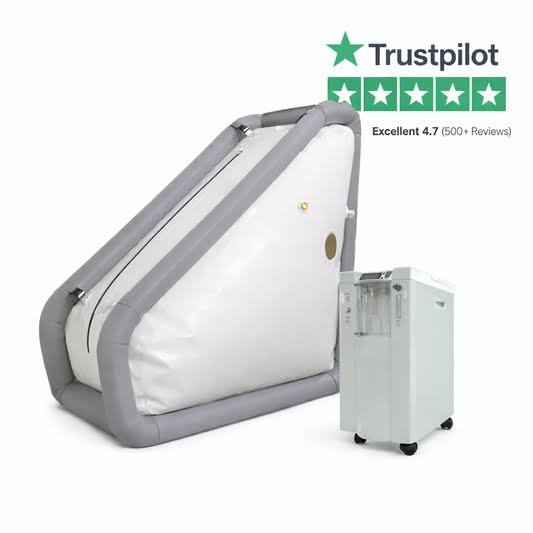
If you plan to buy hyperbaric chamber equipment for home use, start by understanding the difference between chamber types and their intended applications. Hyperbaric chambers create a pressurized environment, and some systems also provide supplemental oxygen. The pressure level, oxygen-delivery method, construction, and operating instructions can vary considerably between models.
Home-use equipment should be selected according to its documented specifications rather than marketing claims alone. The FDA recommends reviewing instructions for use, checking that the home environment is suitable, and purchasing home-use medical devices from reliable sources with clear customer support and return policies.
Choosing the Right Chamber Design
Hyperbaric chambers are available in different configurations, including lying and sitting designs. A lying chamber may provide more room for reclining, while a sitting chamber can be useful when floor space is limited. Portable soft-shell models are another option for people who want equipment that can be moved or stored more easily.
Consider the chamber’s dimensions before ordering. Measure the available room and allow additional space for the compressor, hoses, entrance area, and safe movement. The interior should also provide enough room for the intended user to maintain a comfortable position throughout a session.
Understanding Pressure and ATA Ratings
ATA, or atmospheres absolute, is commonly used to describe the pressure inside a hyperbaric chamber. Normal atmospheric pressure at sea level is approximately 1 ATA. A chamber operating at 1.5 ATA, for example, creates an environment at a higher absolute pressure than normal atmospheric conditions.
The pressure rating should not be the only factor considered when you buy hyperbaric chamber equipment. Oxygen concentration, delivery method, pressure controls, chamber construction, and intended use are equally important. A higher advertised ATA rating does not automatically make one chamber more suitable than another.
Features to Compare Before Purchase
A detailed comparison can help you avoid choosing equipment based only on price. Review the complete product specifications and determine exactly what is included. A dependable supplier should provide information about pressure, materials, accessories, operating procedures, maintenance, and warranty coverage.
Important features to examine include:
- Clearly stated operating and maximum pressure.
- Durable shell, seams, zippers, and access points.
- Reliable pressure gauges and release mechanisms.
- Compatible compressor and oxygen-delivery equipment.
- Suitable ventilation and interior dimensions.
- Warranty, replacement parts, and technical support.
Also confirm whether the compressor, oxygen concentrator, mask, hoses, filters, and other accessories are included. Do not connect unapproved components to a chamber system.
Portable Versus Larger Chambers
A portable chamber can be attractive for home users because it may require less permanent space than a large rigid system. Soft-shell designs are often easier to position and may be available in both sitting and lying configurations. Their portability can also make storage more convenient when the chamber is not being used.
Larger rigid chambers may have different pressure capabilities, construction standards, and installation requirements. They can require substantially more space and may be intended for clinical environments. The appropriate choice depends on the user’s intended application, available space, equipment requirements, and manufacturer specifications.
Safety Should Be a Priority
Safety is one of the most important considerations when purchasing hyperbaric equipment. The FDA has specifically warned about serious injuries and deaths associated with HBOT devices and emphasizes following manufacturer instructions, maintaining fire-prevention measures, using proper grounding, and completing required maintenance and safety checks.
Oxygen can significantly increase fire risk. Smoking materials, flames, sparks, oils, aerosols, and unauthorized electrical or static-producing items should be kept away from the chamber. Users should understand emergency procedures and never exceed the manufacturer’s pressure limits.
Preparing Your Home for a Chamber
Before your chamber arrives, prepare an appropriate location. The floor should be clean, level, dry, and free from sharp objects. Keep the chamber away from excessive heat and potential ignition sources, and provide sufficient space around the unit for operation and emergency access.
Electrical requirements should also be checked before installation. The FDA recommends considering whether a home has compatible power sources, suitable wiring, adequate room, and other environmental conditions required by the device.
Comfort and Interior Space
Comfort is an important consideration when selecting equipment for repeated use. If you prefer reclining, a lying chamber may provide a more suitable interior arrangement. If you prefer an upright position or have limited floor space, a sitting configuration may be more practical.
Check the manufacturer’s interior dimensions rather than relying on photographs. Consider the user’s height, width, mobility, and preferred position. The entrance should also be easy to access, and the user should be able to exit according to the manufacturer’s emergency procedures.
Oxygen Delivery Matters
Not every chamber uses oxygen in the same way. Some systems pressurize the chamber with air, while others provide supplemental oxygen through an approved mask or oxygen-delivery system. Understanding this distinction is essential before purchasing.
Never assume that a chamber’s pressure rating tells you its oxygen concentration. Ask the supplier for clear documentation explaining the oxygen system, compressor, concentrator compatibility, and operating procedure. Use only equipment and accessories approved for the specific chamber.
Maintenance and Long-Term Ownership
Buying a chamber is not the end of the process. Regular inspection and maintenance are necessary to keep the equipment in appropriate condition. Check the shell, seams, zipper, hoses, valves, compressor, and other components according to the manufacturer’s instructions.
Cleaning should also follow the supplied guidelines. Filters and replaceable components should be changed according to the recommended schedule. If you notice unusual pressure loss, damage, abnormal compressor noise, or another malfunction, stop using the equipment until the issue has been addressed.
Medical Use and Professional Guidance
A home chamber should not be treated as a replacement for professional medical care. If you are considering hyperbaric oxygen therapy for a medical condition, discuss the treatment with a qualified healthcare professional before purchasing equipment.
Clinical HBOT involves defined treatment protocols and appropriate supervision. The FDA classifies hyperbaric chambers under medical-device regulations and notes that HBOT devices require attention to safety, training, monitoring, maintenance, and manufacturer instructions.
Why Consider Warrior Willpower?
Warrior Willpower provides hyperbaric chamber options for customers researching home wellness equipment. When you buy hyperbaric chamber equipment, comparing design, pressure specifications, dimensions, comfort, safety features, and included accessories can help you understand what you are purchasing.
A thoughtful buying process starts with your intended use and available space. From there, compare technical specifications, operating requirements, warranty information, and supplier support. This approach can make it easier to identify a chamber that fits your home and expectations.
Final Thoughts
When you buy hyperbaric chamber equipment, look beyond the price and advertised pressure rating. Consider the complete system, including chamber construction, oxygen delivery, pressure controls, dimensions, safety features, maintenance requirements, warranty, and customer support.
For home use, prepare a suitable environment and follow every manufacturer instruction carefully. If you are considering hyperbaric oxygen therapy for a medical purpose, consult a qualified healthcare professional first. Careful research and responsible operation can help you make a more informed equipment purchase.