A roof is one of the most important parts of any home or commercial property. It protects the building from rain, wind, sunlight, and changing weather. Over time, roofing materials can wear down, and problems such as leaks, damaged shingles, or loose flashing may appear. Taking care of these issues early can help protect the rest of the property.
Full service roofing provides homeowners with access to a wide range of roofing solutions. Depending on the condition of the roof, professional services may include inspections, maintenance, repairs, storm damage work, and complete replacement. Understanding these services can help property owners make informed decisions when roofing concerns arise.
What Is Full Service Roofing?
Full service roofing refers to a complete range of services designed to maintain, repair, and replace roofing systems. Rather than focusing on one specific type of roofing work, a full service provider can assist with different needs throughout the life of a roof.
Services can vary between contractors, but they may include roof inspections, leak repairs, shingle replacement, flashing repairs, maintenance, storm damage assessment, and new roof installation.
A professional evaluation is often the first step. Instead of guessing what is wrong, a roofing contractor can inspect the visible roofing materials and identify areas that may require attention.
Why Regular Roof Inspections Matter
Many roofing problems begin small. A damaged shingle or small opening around a roof penetration may not cause an immediate interior problem. However, continued exposure to rain can allow moisture to enter the roofing system.
Regular inspections can help identify visible damage and areas of concern. Inspections can be especially useful after severe weather, when purchasing a property, or when an older roof begins showing signs of deterioration.
A professional inspection can also help homeowners understand whether their roof needs a simple repair or more extensive work.
Common Signs Your Roof Needs Attention
Homeowners should pay attention to changes both outside and inside the property. Some warning signs are easy to see, while others may require a professional assessment.
Common signs include:
- Missing, cracked, curling, or damaged shingles
- Water stains on ceilings or walls
- Damaged flashing around chimneys, vents, or other openings
- Sagging areas on the roof
- Granules collecting in gutters
- Repeated leaks after rainfall
- Visible gaps or exposed roofing materials
Seeing one of these signs does not automatically mean the roof needs replacement. The extent of the damage and the condition of the rest of the roofing system should be evaluated.
Understanding Roof Repair
Roof repair involves correcting specific problems while keeping most of the existing roofing system in place. It can be an appropriate solution when damage is limited and the roof is otherwise in reasonable condition.
A professional may repair damaged shingles, replace flashing, address a leak, or correct another localized issue. The exact work depends on the cause and extent of the damage.
Finding the actual source of a leak is particularly important. Water can travel beneath roofing materials before appearing inside a building. Repairing only the visible interior stain may not solve the underlying problem.
When Roof Repair May Be Suitable
Repair can make sense when the roof has isolated damage and the remaining materials are still performing properly. A few damaged shingles on a relatively well maintained roof may require only targeted repairs.
However, repeated repairs can become less practical when a roof is older or has widespread deterioration. The history of previous repairs should also be considered when deciding how to proceed.
A professional contractor can explain the condition of the roof and discuss whether repair or replacement is more appropriate for the property.
When Roof Replacement Is Needed
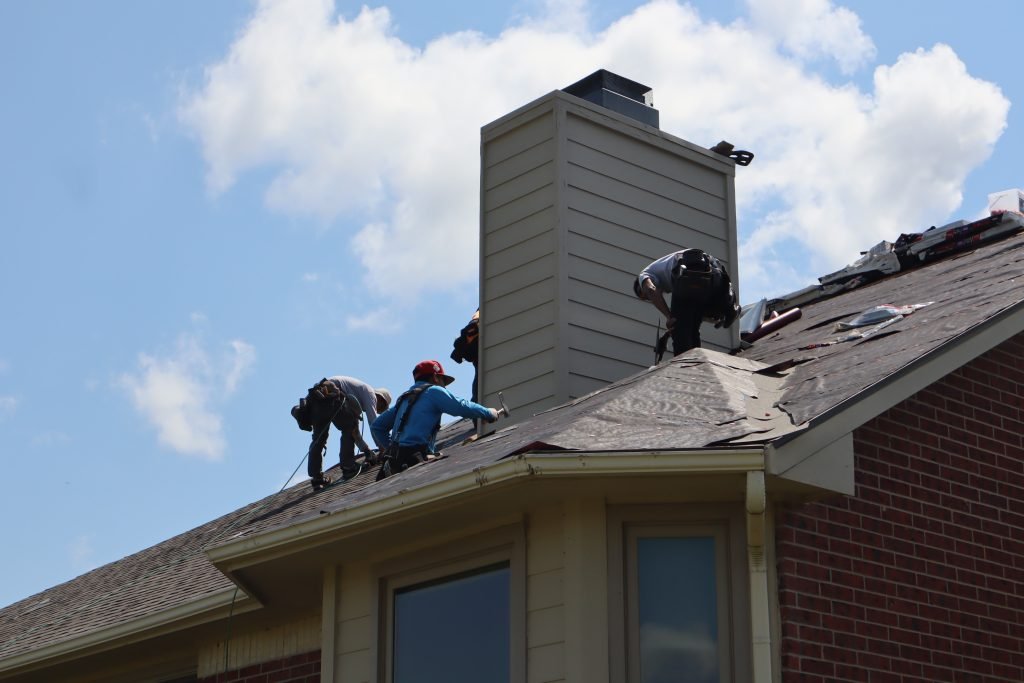
Roof replacement involves removing existing roofing materials and installing a new roofing system. It may be necessary when the roof has extensive damage, significant deterioration, or recurring problems that cannot be reasonably addressed through individual repairs.
Replacement may also uncover issues beneath the visible roofing materials. For example, damaged roof decking may need to be repaired before new materials are installed.
Factors That Affect Replacement Decisions
Roof replacement should be based on the condition of the individual roofing system rather than a single factor. Several details can affect the decision.
Important considerations may include:
- The age and condition of the existing roof
- The amount and location of damage
- The type of roofing material
- Previous repair history
- The condition of the roof decking
- Evidence of repeated moisture problems
- Exposure to local weather conditions
A professional should explain the reasons for recommending replacement and provide clear information about the proposed work.
Choosing the Right Roofing Material
Different roofing materials offer different appearances, costs, maintenance requirements, and expected service lives. Asphalt shingles are commonly used on residential properties, while other options may be available depending on the building and local requirements.
The right material depends on more than appearance. Roof slope, weather exposure, building design, maintenance needs, and budget can all influence the decision.
Homeowners should ask their contractor about the advantages and limitations of the materials being considered. Understanding these details can make it easier to select an option that suits the property.
The Importance of Professional Installation
Even quality roofing materials need proper installation. Incorrect installation can create gaps, drainage problems, or weak areas that may contribute to premature damage.
A professional roofing contractor should follow applicable building requirements and manufacturer installation instructions. The contractor should also explain what materials will be used and what the project includes.
Clear communication is important throughout the project. Homeowners should receive information about the expected timeline, cleanup, warranties, and any conditions that could affect the final cost.
Roofing Services After Storm Damage
Severe weather can create sudden roofing problems. Strong winds can loosen or remove shingles, while hail can damage roofing surfaces. Heavy rain can also expose weaknesses that were previously difficult to notice.
After a storm, property owners can look for visible signs of damage from a safe location. Climbing onto a damaged roof can be risky, particularly when roofing materials are loose or surfaces are wet.
A professional inspection can help determine whether repairs are needed. If an insurance claim is being considered, homeowners may also want to keep photographs and relevant inspection records. Insurance coverage depends on the specific policy and circumstances.
How to Choose a Roofing Contractor
Selecting a roofing contractor is an important decision. Homeowners should look for a provider that communicates clearly and gives a detailed explanation of the recommended work.
Before hiring a contractor, ask about experience, insurance, materials, project timing, cleanup, warranties, and payment requirements. A written estimate can help clarify what is included and how unexpected conditions will be handled.
Questions to Ask Before Roofing Work
Before approving a project, consider asking:
- What is causing the roofing problem?
- Can the current roof be repaired?
- Why is replacement being recommended?
- What materials will be used?
- What work is included in the estimate?
- How will unexpected damage be handled?
Getting clear answers can help homeowners understand the project and compare services based on more than price alone.
Why Timely Roofing Care Is Important
Ignoring a known roofing problem can allow it to become more extensive. A small opening may allow moisture to reach insulation, decking, ceilings, or walls. Addressing the problem early may help limit the amount of work required.
Routine inspections are also useful for older roofs. Even when there is no visible leak, an inspection can identify areas that may need maintenance or monitoring.
The best solution depends on the actual condition of the roof. Some properties may need a small repair, while others may require complete replacement.
Conclusion
A well maintained roof provides important protection for a property, and professional attention can help keep roofing problems under control. Full service roofing can include inspections, maintenance, repairs, storm damage assessment, and replacement when necessary. When searching for a roof repair and replacement service, homeowners should look for clear communication, quality materials, proper installation, and detailed project information. Wichita Roofing Pros can assist homeowners with practical roofing solutions designed around their property’s specific needs.