Essential Surgical Accessories for Efficient Procedures

In the operating theatre, precision is not a luxury — it is a necessity. Every second counts, and every tool in the surgical field plays a role in patient safety and procedural success. While surgeons receive the spotlight, the instruments and consumables they rely on work quietly behind the scenes to make efficient procedures possible. From sterile gowns and drapes to custom procedure packs, the right surgical accessories streamline workflows, reduce infection risks, and allow clinical teams to focus on what matters most: the patient.
This article explores the essential categories of surgical accessories that modern operating rooms depend on, and how manufacturers like Amaryllis Health Care are shaping the landscape with certified, high-quality solutions.
Understanding the Role of Surgical Accessories in Modern Operating Theatres
Surgical accessories encompass a broad range of disposable and reusable items designed to support surgical procedures. These include everything from sterile drapes and gowns to procedure packs tailored for specific interventions. In recent years, the demand for single-use, sterile consumables has surged globally, driven by an increased focus on infection prevention, operational efficiency, and patient safety.
The Indian medical disposables market was valued at approximately US$ 3.9 billion in FY25 and is projected to grow at a compound annual growth rate of 10.5% through FY30 . This growth reflects a broader recognition that well-designed accessories are not merely supplementary — they are integral to surgical success.
For healthcare facilities, the shift toward disposable accessories offers several advantages:
-
Reduced cross-contamination risks compared to reusable alternatives
-
Streamlined sterilization workflows, freeing up time and resources
-
Consistent quality with batch-traceable manufacturing
-
Customization options to match specific surgical specialties
These factors have made surgical accessories a critical procurement category for hospitals and surgical centres worldwide.
Key Categories of Surgical Accessories That Drive Efficiency
Sterile Gowns and Drapes
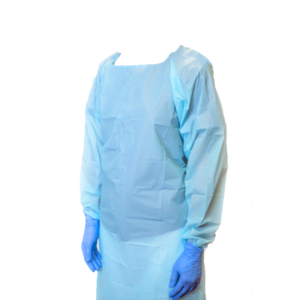
Sterile gowns and drapes form the foundation of any surgical barrier system. They protect both patients and surgical teams from microbial transmission while maintaining a sterile field throughout the procedure. Modern offerings are engineered to meet AAMI and ISO barrier performance standards, ensuring reliable protection even during lengthy or complex surgeries.
Custom Procedure Packs
Perhaps the most impactful innovation in surgical accessory design is the custom procedure pack. These packs assemble all necessary items — drapes, gowns, gauze, instruments, and consumables — in the exact sequence the surgical team requires. The result is fewer SKUs, faster turnover between cases, and reduced waste.
Specialties such as gynecology, fertility care, and general surgery benefit significantly from packs tailored to their unique protocols. For instance, normal delivery, C-section, and IVF procedures each have distinct requirements that a well-configured pack can address with precision.
Single-Use Surgical Instruments and Consumables
While reusable instruments remain essential, many ancillary tools are now available in single-use formats. These include:
-
Grasping forceps and scissors for laparoscopic procedures
-
Electrosurgical accessories such as cords and electrodes
-
Suture passers and needle holders designed for specific tissue types
Single-use instruments eliminate reprocessing burdens and reduce the risk of incomplete sterilization. They also ensure consistent sharpness and functionality for every procedure.
Infection Prevention Essentials
Infection control remains a top priority in surgical settings. Accessories designed with infection prevention in mind include:
-
Antimicrobial drapes that actively reduce microbial load
-
Chlorhexidine-impregnated discs for vascular catheter sites
-
Disposable sterile covers for equipment and surfaces
-
Cuff pressure controllers to maintain endotracheal tube integrity
These items, while individually simple, collectively contribute to lower surgical site infection rates and better patient outcomes.
What Sets Quality Surgical Accessory Manufacturers Apart
Not all accessories are created equal. The difference between average and exceptional lies in manufacturing standards, certification, and supply reliability.
Certification and Quality Systems
Reputable manufacturers operate under ISO 13485:2016 quality management systems, which govern every stage from raw material sourcing to final sterilization. CE certification and CDSCO licensing provide additional assurance that products meet stringent regulatory requirements. For procurement teams, these credentials are non-negotiable.
In-House Manufacturing and Sterilization
Vertical integration — controlling manufacturing, ethylene oxide (EtO) sterilization, and batch traceability under one roof — offers significant advantages. It minimizes supply chain disruptions, ensures consistent quality, and enables full lot traceability, which is essential for regulatory compliance and patient safety.
Custom Pack Engineering
The ability to engineer custom packs according to a specific operating theatre’s sequence is a mark of a sophisticated manufacturer. This capability requires close collaboration with clinical teams to understand their workflow, instrument preferences, and sterility requirements. When executed well, custom packs can reduce setup time by up to 30% per procedure.
Export-Ready Documentation and Supply
For distributors and hospitals in global markets, documentation readiness is crucial. Manufacturers that serve 15+ countries have typically refined their export processes, ensuring smooth import compliance and reliable delivery. This is particularly valuable in regions where regulatory scrutiny is high.
How Amaryllis Health Care Supports Efficient Surgical Procedures
Among the manufacturers making a mark in this space, Amaryllis Health Care has established itself as a reliable partner for hospitals and distributors seeking certified surgical consumables. The company manufactures disposable surgical gowns, drapes, and custom procedure packs at its fully automated Medical Device Consumables facility, adhering to ISO 13485 standards.
Their product range spans seven categories and includes 148 products designed for ten surgical specialties, with a particular focus on gynecology and fertility care. They can supply sterile packs for normal delivery, C-section, and IVF procedures — each configured to support efficient, standardized workflows.
What distinguishes Amaryllis Health Care is its commitment to quality from end to end. Every product is EO-sterilised and batch-traceable, meeting AAMI and ISO barrier performance levels. Their ability to deliver custom packs engineered to an OT’s exact sequence means fewer SKUs for procurement teams and faster case turnover for surgical staff.
For healthcare facilities looking to optimize their surgical accessory supply chain, partnering with a manufacturer that prioritizes certification, customization, and consistency can make a measurable difference.
Trends Shaping the Future of Surgical Accessories
Several trends are influencing how surgical accessories are designed, procured, and used:
-
Sustainability: Manufacturers are exploring eco-friendly materials and reduced packaging without compromising sterility.
-
Procedure-specific customization: Generic packs are giving way to specialty-focused configurations.
-
Digital traceability: Batch-level tracking is becoming standard, enabling rapid recall management and quality auditing.
-
Single-use expansion: More instrument categories are transitioning to single-use formats for safety and convenience.
-
Regional manufacturing: To reduce supply chain vulnerabilities, healthcare systems are increasingly sourcing from domestic manufacturers with export capabilities.
These trends suggest that the surgical accessories market will continue to evolve toward greater specificity, safety, and efficiency.
Choosing the Right Partner for Surgical Accessories
Selecting a supplier for surgical accessories is a strategic decision that affects clinical outcomes, operational efficiency, and cost management. Key considerations include:
-
Certification status (ISO 13485, CE, CDSCO)
-
In-house manufacturing and sterilization capabilities
-
Custom pack engineering expertise
-
Export readiness and documentation support
-
Product range breadth across relevant specialties
-
Batch traceability and quality assurance processes
Hospitals and distributors that prioritize these factors are better positioned to maintain reliable supply, meet regulatory requirements, and support their surgical teams effectively.
Final Thoughts
Efficient surgical procedures depend on more than surgical skill — they rely on a foundation of well-designed, certified, and readily available accessories. From sterile gowns and drapes to custom procedure packs, these items quietly enable precision, safety, and speed in the operating theatre.
As the demand for high-quality surgical accessories continues to grow, manufacturers that invest in certification, customization, and reliable supply chains will lead the way. For healthcare facilities, the right partnership can transform procurement from a logistical challenge into a strategic advantage — one that ultimately benefits every patient on the operating table.