vintage home decor
Finding beautiful vintage pieces does not always require a large decorating budget. Thrift stores, flea markets, estate sales, antique shops, and online marketplaces can all offer opportunities to discover furniture and accessories with character at different price points. The key is knowing what to look for, understanding typical signs of quality, and taking time to compare options before purchasing. With patience and a practical approach, vintage home decor can add warmth, personality, and history to a home without requiring every item to be expensive.
Start Your Search at Thrift Stores
Thrift stores are useful starting points for anyone searching for affordable vintage furnishings and accessories. Inventory changes frequently, so one visit may look completely different from the next. Look beyond obvious furniture displays and check shelves, lighting sections, frames, mirrors, ceramics, baskets, and smaller household items. Older pieces can sometimes be overlooked because they do not have fashionable finishes or perfectly polished surfaces. A little imagination can help you recognize the potential in an otherwise ordinary-looking item.
When shopping at thrift stores, examine construction before focusing on decoration. Check whether wooden furniture feels stable, drawers move smoothly, and joints remain secure. Look closely at surfaces for excessive damage, water marks, or structural problems that could be expensive to repair. For upholstered furniture, inspect seams and fabric condition and look for signs of pests, unusual odors, or moisture damage. Understanding the difference between cosmetic wear and serious damage can help you spend your money more wisely.
Explore Flea Markets for Unique Finds
Flea markets can be particularly rewarding because they bring together many different sellers and design periods in one location. You may find furniture, artwork, mirrors, lighting, ceramics, textiles, and decorative accessories that are difficult to locate in conventional retail stores. Prices can vary considerably, which makes comparison important. Walk through the entire market before buying whenever possible so you understand the range of available pieces and avoid making an impulse purchase too early.
Negotiation is also common at some flea markets, but it should be approached respectfully. Before discussing price, examine the condition of the item and consider whether restoration or transportation will add to the overall cost. Sellers may have knowledge about a piece’s history, materials, or previous ownership, so asking thoughtful questions can provide useful information. If a piece has unusual construction or appears to be from a particular period, research its characteristics before treating the seller’s description as definitive.
Visit Estate Sales and Local Auctions
Estate sales can provide access to furniture and household items that have been collected over many years. Dining tables, cabinets, lamps, artwork, chairs, and smaller accessories may all appear in a single sale. Because inventory comes directly from a home, you can sometimes see how furniture has aged and been maintained rather than viewing it in a heavily curated retail setting. Pay close attention to measurements because large vintage pieces can be surprisingly difficult to transport or accommodate in modern homes.
Local auctions are another option for finding vintage items, particularly when you are interested in furniture with distinctive design characteristics. Before bidding, establish a maximum budget and account for buyer fees, transportation, repairs, and other associated costs where applicable. Inspect the item carefully under the auction’s viewing conditions and read the available description. A low winning bid is not necessarily a bargain if substantial restoration is required afterward.
Shop Online With Care
Online marketplaces have made vintage home decor easier to find, especially when you are searching for a specific style, material, designer, or furniture type. The main advantage is access to a much broader selection than most local stores can provide. However, online shopping removes the opportunity to physically inspect an item before paying for it. Carefully review photographs, dimensions, descriptions, condition notes, and seller information before making a purchase.
Ask sellers for additional photographs when important details are missing. Useful images include the underside, back, interior compartments, hardware, joints, labels, and areas showing wear. For larger furniture, confirm exact dimensions and ask whether the item has been restored, refinished, reupholstered, or repaired. If a listing describes something as rare, original, or designer-made, research those claims independently. A careful buying process is especially important when the price is significantly higher than comparable pieces.
Know What to Look for in Designer Furniture
Finding vintage designer furniture at an affordable price can be more challenging, but opportunities sometimes appear when sellers are unfamiliar with a piece’s history. Learn the distinctive characteristics of designers and manufacturers you admire, including common materials, construction methods, proportions, labels, and production details. This knowledge can help you recognize potentially interesting pieces without relying entirely on seller descriptions. However, identification should be based on multiple characteristics rather than one label or visual feature.
Authenticity is particularly important when purchasing valuable designer furniture. Reproductions, later editions, authorized reissues, and modified vintage pieces can sometimes look very similar to original examples. Check dimensions, construction, hardware, manufacturer markings, and provenance when available. If a purchase involves significant money, consider seeking an experienced professional opinion before completing the transaction. A careful evaluation can be worthwhile when the difference between an ordinary vintage item and a collectible piece has substantial financial implications.
Use Research to Find Better Deals
Research is one of the most effective tools for shopping affordably. Before visiting stores or browsing online listings, learn the characteristics of the styles and periods you prefer. Look at different examples and become familiar with common materials, silhouettes, construction techniques, and signs of restoration. This background knowledge makes it easier to distinguish a genuinely interesting piece from an inexpensive item that simply has an intentionally aged appearance.
Price research is equally useful. Compare asking prices for similar furniture while considering differences in condition, manufacturer, rarity, size, and restoration. Do not assume that an expensive listing represents the actual market value of an item. Likewise, an unusually low price may reflect damage, missing components, uncertain authenticity, or a seller who simply wants a quick sale. The more familiar you become with a particular category, the easier it becomes to recognize reasonable opportunities.
Consider Condition Before Price
A vintage item with minor scratches or faded finish may be an excellent decorating choice if its structure remains sound. Cosmetic imperfections can contribute to the character that makes older furniture appealing. Structural problems, however, deserve more careful attention. Loose frames, severe wood damage, warped components, extensive veneer loss, or damaged joinery may require professional restoration and can quickly increase the true cost of an inexpensive purchase.
Think about how much restoration you are realistically prepared to undertake. Some buyers enjoy refinishing furniture and replacing hardware, while others want pieces that can be used immediately. If you do not have restoration experience, research the likely repair requirements before buying. A piece that needs simple cleaning is very different from one requiring extensive structural work. Factoring these differences into your budget helps ensure that an attractive bargain does not become an unexpectedly expensive project.
Build Your Collection Gradually
One of the best ways to make vintage decorating affordable is to avoid furnishing an entire home at once. Begin with a few pieces that have strong character and then build the room gradually around them. A vintage mirror, side table, lamp, cabinet, or chair can introduce personality without requiring a major investment. As you learn more about different periods and materials, your ability to identify quality pieces will naturally improve.
Patience can also lead to better discoveries. Vintage shopping is unpredictable, and the exact item you want may not appear immediately. Keep notes about preferred dimensions, materials, colors, and styles so you can quickly evaluate opportunities when they arise. Whether you find a piece at a thrift store, flea market, estate sale, or online, focus on condition, authenticity, practicality, and personal appeal rather than buying simply because something is old.
Create an Affordable Vintage-Inspired Home
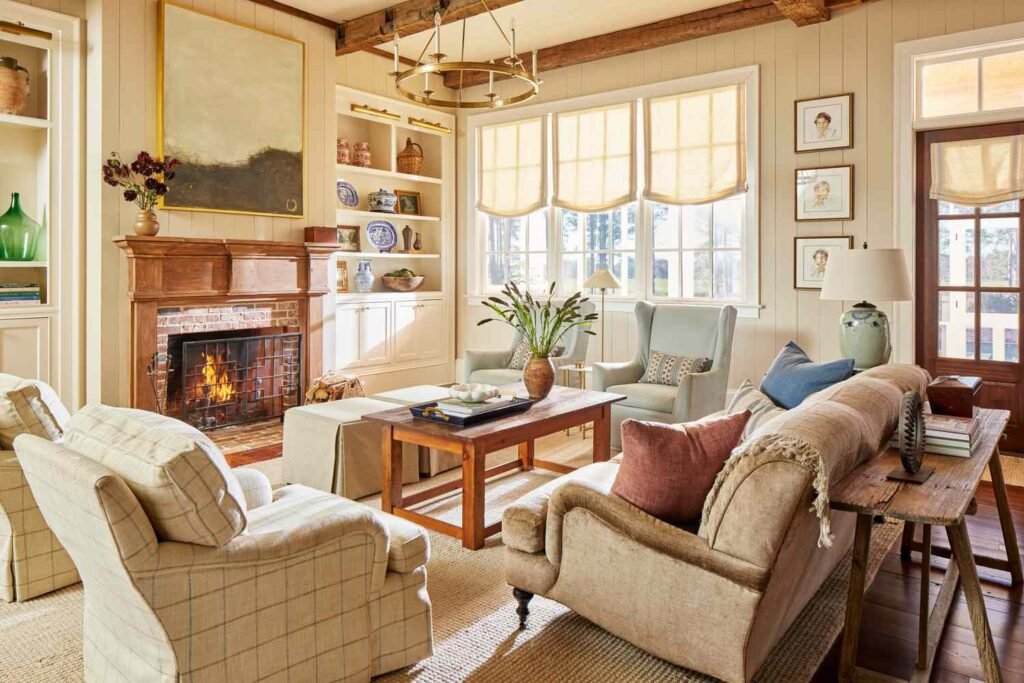
Affordable decorating is often more successful when vintage pieces are mixed with existing furniture rather than used to create a completely period-specific interior. A contemporary sofa can work with an older wooden coffee table, while modern lighting can complement a vintage cabinet. This combination creates contrast and allows you to invest in individual pieces instead of replacing everything at once. It also makes the room more practical for contemporary living.
Ultimately, finding affordable vintage home decor is about patience, observation, and informed purchasing. Thrift stores and flea markets can provide unexpected discoveries, while estate sales and online marketplaces can broaden your search considerably. If you are interested in vintage designer furniture, take additional time to investigate authenticity, provenance, construction, and condition before spending more. By shopping carefully and allowing your collection to develop naturally, you can create a home filled with distinctive pieces, useful furniture, and genuine character without relying on a large decorating budget.