The attic is one of the most important areas to consider when improving a home’s thermal performance. Because it sits between the roof and the living space, inadequate insulation can allow unwanted heat movement throughout the year. Insulation Nation provides professional insulation solutions designed to help homeowners create more consistent indoor conditions. Proper Energy Efficient Attic Insulation can support temperature control, improve the performance of the building envelope, and contribute to more efficient use of heating and cooling systems.
Why the Attic Deserves Special Attention
Heat naturally moves from warmer areas toward cooler areas. During colder weather, heated indoor air can move toward the attic and roof if the ceiling assembly does not provide sufficient thermal resistance. During warmer weather, heat absorbed by the roof can transfer toward the living areas below.
This constant exchange can influence indoor comfort and the workload placed on HVAC equipment. An appropriately insulated attic creates an important thermal barrier between the conditioned living space and the roof structure.
Energy Efficient Attic Insulation is designed to reduce unwanted heat transfer and help the home maintain more stable indoor temperatures. The actual results depend on the home’s construction, existing insulation, climate, HVAC equipment, and other building characteristics.
Understanding How Attic Insulation Works
Attic insulation does not generate heating or cooling. Instead, it slows the movement of heat through the building envelope. This allows the indoor environment to remain closer to the desired temperature for longer periods.
The effectiveness of insulation depends on factors such as material type, thickness, installation quality, coverage, and the condition of the surrounding structure. Gaps and compressed areas can reduce the overall performance of an insulation system.
Before adding new material, homeowners can benefit from an inspection of the existing attic. A professional assessment can identify areas with insufficient coverage, damaged insulation, air leakage, or other conditions that may need attention.
Choosing the Right Insulation Material
Several insulation materials can be used in attic applications. Fiberglass is commonly available in batt and blown-in forms and can provide effective thermal protection when installed correctly.
Cellulose is another option frequently used for attic spaces. Its loose-fill form allows it to cover irregular areas and provide consistent coverage when properly installed.
Spray foam is also used in certain applications where insulation and air sealing are important considerations. It can expand into gaps and irregular spaces, although the appropriate application depends on the building’s design and project requirements.
Insulation Nation can help homeowners understand the differences between available materials and determine which approach is suitable for their property. Energy Efficient Attic Insulation should always be selected according to the home’s actual conditions rather than based solely on a product’s general popularity.
The Importance of Proper Installation
Even high-quality insulation may not perform as intended if it is poorly installed. Common problems include gaps, uneven distribution, compression, and insufficient coverage around difficult areas.
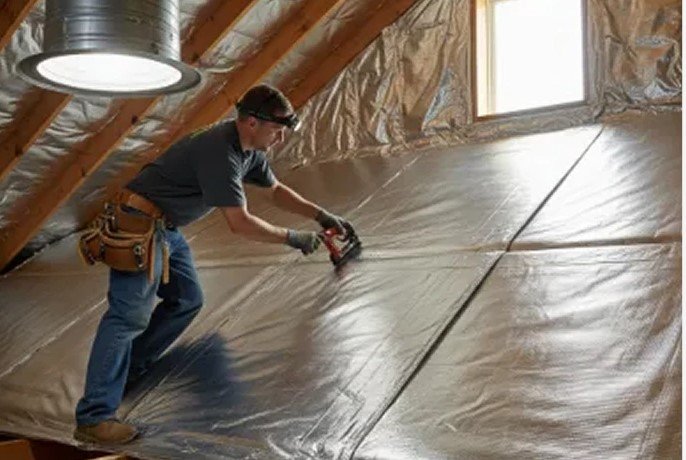
Professional installation focuses on creating consistent insulation coverage throughout the appropriate attic area. Installers also need to work around wiring, plumbing, vents, fixtures, and other components without compromising the building’s intended design.
Energy Efficient Attic Insulation requires attention to these details because the performance of the entire attic system depends on more than the material itself. Proper installation helps maximize the value of the selected insulation.
Air Sealing and Attic Insulation
Air sealing and insulation are different processes, but they can work together effectively. Insulation slows heat transfer, while air sealing helps reduce uncontrolled movement of air through gaps and openings.
Common leakage points may occur around plumbing penetrations, electrical wiring, attic access openings, recessed fixtures, and other areas where components pass through the ceiling plane.
If significant air leakage exists, adding insulation alone may not address the underlying problem. A professional attic evaluation can identify suitable areas for sealing before insulation is installed or upgraded.
Combining appropriate air sealing with Energy Efficient Attic Insulation can create a more complete approach to improving the thermal performance of the attic.
Maintaining Comfortable Indoor Temperatures
A well-insulated attic can contribute to more consistent temperatures throughout the home. Without sufficient insulation, upper-level rooms may become noticeably warmer during summer or colder during winter.
Temperature differences can make certain rooms uncomfortable and may encourage homeowners to adjust thermostats more frequently. Although insulation is not the only factor affecting comfort, improving the attic’s thermal barrier can help reduce the influence of outdoor temperature changes.
Energy Efficient Attic Insulation can therefore be part of a broader home-comfort strategy that also considers windows, doors, ductwork, HVAC equipment, and air leakage.
Supporting HVAC Efficiency
Heating and cooling systems must compensate for heat entering or leaving a property. When excessive heat transfer occurs through the attic, the HVAC system may need to operate more frequently to maintain the desired indoor temperature.
Improving attic insulation can help reduce this thermal exchange. As a result, the heating or cooling system may have a better-controlled environment in which to operate.
Energy savings vary from property to property. Factors such as local weather, home size, insulation levels, HVAC efficiency, thermostat settings, and household habits all influence energy consumption. Insulation should therefore be considered as one component of an overall efficiency plan.
Signs of Inadequate Attic Insulation
Several signs may indicate that an attic should be evaluated. Unusually warm upstairs rooms, cold ceilings, inconsistent indoor temperatures, drafts, and excessive heating or cooling demands can justify a professional inspection.
Older homes may have insulation that has settled or deteriorated over time. Renovation work may also reveal areas where insulation is missing or incomplete.
However, these symptoms can have several possible causes. A professional assessment can help determine whether inadequate insulation is contributing to the problem or whether other parts of the building envelope require attention.
Attic Ventilation Should Not Be Ignored
Insulation improvements should be planned alongside the attic’s ventilation requirements. Attic ventilation serves a different purpose from insulation and helps manage air movement within the attic space when the building is designed for it.
Improperly installed insulation can block ventilation pathways that are intended to remain open. This can interfere with the attic’s designed airflow.
For this reason, Energy Efficient Attic Insulation should be installed with awareness of existing ventilation components. A professional installer can identify areas that need insulation while preserving required ventilation pathways.
When to Upgrade Attic Insulation
Homeowners may consider an attic insulation upgrade when existing material is inadequate, damaged, unevenly distributed, or no longer appropriate for the property’s needs. An upgrade may also make sense during remodeling or other building improvements.
However, adding more insulation is not always the first step. Air leaks, moisture concerns, ventilation issues, and damaged materials may need to be addressed beforehand.
Insulation Nation focuses on evaluating these conditions before recommending an approach. This allows homeowners to understand what work is needed and why it may benefit the property.
Long-Term Benefits of Proper Attic Insulation
Attic insulation is a long-term part of a home’s building envelope. When correctly selected and installed, it can continue helping control heat transfer for many years.
Maintaining good attic conditions is still important. Moisture intrusion, remodeling, pest activity, mechanical work, or other changes can affect insulation performance. Periodic inspections can help identify concerns before they become larger problems.
Energy Efficient Attic Insulation can provide lasting value when it is combined with proper installation, suitable air sealing, and appropriate attic ventilation.
Conclusion
The attic has a significant influence on a home’s comfort and thermal performance. Inadequate insulation can allow excessive heat transfer, create uncomfortable temperature differences, and increase the demands placed on heating and cooling equipment. A properly planned insulation system can help create a stronger thermal barrier between the living space and the roof.
Insulation Nation provides professional solutions tailored to the needs of individual properties. By combining suitable materials, careful installation, appropriate air sealing, and attention to ventilation, Energy Efficient Attic Insulation can become an important part of a more comfortable and efficient home.