Mastering Retaining Wall Construction: Practical Solutions for Sloped and Uneven Landscapes
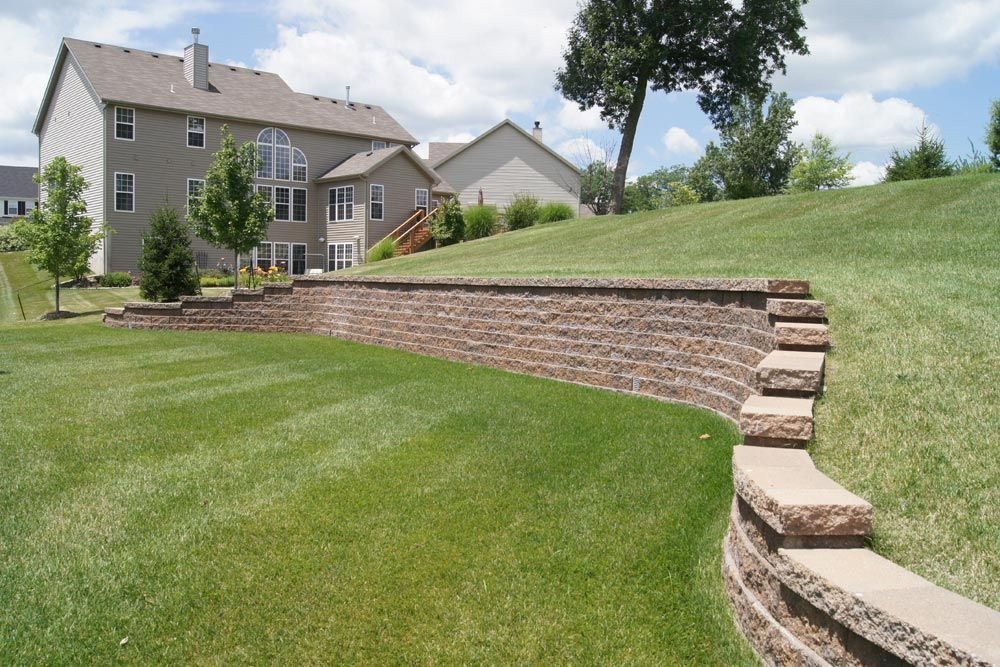
Managing a property with sloped or uneven terrain presents unique challenges that go beyond simple aesthetics. Whether you are a homeowner dealing with erosion or a business owner looking to maximize usable outdoor space, the structural integrity of your land is paramount. Unstable slopes can lead to soil erosion, landslides, and foundation damage, turning a picturesque hillside into a liability. This is where professional Retaining Wall Construction becomes not just an option, but a necessity for ensuring safety and longevity. The demand for these structures has surged as urban development expands into more challenging topographies, requiring innovative engineering to make these spaces functional and safe.
The importance of addressing sloped landscapes cannot be overstated, as they directly impact property value and safety. A well-designed wall does more than hold back earth; it transforms a unusable incline into a tiered garden, a functional patio, or a secure foundation for a new structure. As the market for landscaping and hardscaping continues to grow, property owners are seeking durable, aesthetically pleasing solutions that withstand the test of time. Understanding the nuances of building on uneven ground is essential for anyone looking to invest in their property’s future, ensuring that the solution provided is both practical and permanent.
Understanding Retaining Wall Construction and Its Importance
At its core, Retaining Wall Construction involves the engineering and building of structures designed to hold back soil or rock from a building, structure, or area. However, the complexity of this task increases exponentially when dealing with sloped and uneven landscapes. These structures must resist the lateral pressure of the earth behind them, a force that is significantly amplified on inclines where gravity pulls soil downward. A failure to properly calculate these forces can result in wall failure, which can be catastrophic for the surrounding landscape and any structures nearby. The importance lies in the wall’s ability to manage water drainage and soil stability, preventing the gradual degradation of the land that can occur over time due to natural weathering and water runoff.
Importance of Professional Solutions for Sloped Terrain
Attempting to build on a slope without professional guidance often leads to disaster. The soil on a slope is constantly moving, even if imperceptibly, and requires a foundation that can accommodate this movement. Professionals bring a deep understanding of soil mechanics, hydrology, and structural engineering to the table. They assess the specific angle of repose, the type of soil present, and the water table to design a wall that will not bow, crack, or collapse under pressure. Furthermore, professional solutions address the critical issue of drainage; without proper weep holes and backfill materials, water pressure can build up behind the wall, doubling the force it must withstand and leading to premature failure. Investing in expertise ensures that the solution is tailored to the specific challenges of the terrain, providing a permanent fix rather than a temporary patch.
Services and Features Related to Retaining Wall Construction
The scope of services involved in modern Retaining Wall Construction is vast and varied, encompassing everything from initial site analysis to the selection of materials and final installation. Professionals offer comprehensive geotechnical evaluations to determine the load-bearing capacity of the soil and the necessary depth for the foundation. They provide a range of material options, including interlocking concrete blocks, natural stone, timber, and even innovative geogrid systems that reinforce the soil itself. Features often include integrated drainage solutions such as French drains, surface swales, and perforated pipes to manage groundwater effectively. Additionally, many companies offer decorative finishes, lighting integration, and tiered designs that turn a functional necessity into a stunning landscape feature, effectively increasing the usable square footage of a property by creating level terraces on what was once a steep incline.
Choosing the Right Retaining Wall Construction Provider
Selecting the right contractor for your project is a decision that requires careful consideration of experience, reputation, and technical capability. It is crucial to look for a company that specializes in hardscaping and has a portfolio of completed projects on sloped terrains similar to yours. A qualified provider will not just quote a price; they will conduct a thorough site inspection and explain the engineering principles behind their proposed design. They should be transparent about permits, warranties, and timelines, ensuring that the project complies with local building codes which often have strict regulations regarding structures over a certain height. Furthermore, a reputable contractor will prioritize communication, keeping you informed throughout the process and ensuring that the final result aligns with your vision and functional needs without cutting corners on safety.
Quality, Safety, and Industry Standards
Adherence to industry standards is the backbone of any successful Retaining Wall Construction project. Organizations such as the American Society of Civil Engineers (ASCE) and the National Concrete Masonry Association (NCMA) provide guidelines that dictate everything from the compaction of soil to the required batter (the slight backward lean) of the wall. Safety is the primary driver behind these standards; a wall that is four feet high or taller typically requires engineering stamps and permits due to the potential risk to life and property if it fails. Quality is ensured through the use of high-grade materials that resist rot, corrosion, and freeze-thaw cycles. Proper installation techniques, such as the correct compaction of gravel backfill and the use of geogrid reinforcement, are non-negotiable for ensuring the wall can handle the immense pressure exerted by sloped earth, guaranteeing that the structure remains stable for decades.
Benefits of Hiring or Using Professional Services
The benefits of hiring professionals for Retaining Wall Construction extend far beyond the immediate visual appeal of the structure. One of the most significant advantages is the increase in property value; a well-built wall creates usable flat land that can be utilized for gardens, play areas, or expansions, effectively expanding the livable footprint of the property. From a functional standpoint, professional construction prevents soil erosion, which protects water quality in local watersheds by reducing sediment runoff. It also mitigates the risk of landslides, which can be a devastating and costly event for any property owner. Professionally built walls are engineered to last for generations, offering a return on investment that is both financial and environmental. The peace of mind that comes with knowing your landscape is stable and safe is perhaps the most valuable benefit of all.
Future Trends and Industry Development
The industry of Retaining Wall Construction is continually evolving, driven by technological advancements and a growing emphasis on sustainability. We are seeing a rise in the use of permeable materials and “green” walls that incorporate living vegetation into the structure, reducing the carbon footprint and improving drainage. Technology is also playing a larger role, with 3D modeling and drone surveying allowing for more precise designs and accurate estimations before a shovel ever hits the ground. Furthermore, there is a growing trend toward the use of recycled materials, such as crushed concrete and recycled plastics in geogrids, aligning with eco-friendly construction practices. As climate change brings more extreme weather events, the demand for resilient structures capable of withstanding heavy rains and shifting soils will only increase, driving further innovation in materials and engineering techniques.
Conclusion:
Addressing the challenges of sloped and uneven landscapes requires a sophisticated approach that balances engineering precision with aesthetic design. Whether you are looking to prevent erosion, create usable outdoor space, or protect your property from the forces of nature, the solution lies in expert execution. By investing in professional Retaining Wall Construction, you secure the stability of your land and enhance the beauty and utility of your property for years to come. It is a commitment to quality, safety, and the enduring value of your home or business. Ensure your project starts on solid ground by partnering with experienced professionals who understand the complexities of the terrain.