The idea sounds simple at first. Take an empty cargo van, add a bed, maybe a small kitchen, and hit the road. But anyone who has spent time around van conversions knows the real work happens long before the throw pillows come out.
Van conversions have grown into a serious movement across the United States. People want freedom, flexibility, and a vehicle that fits their life. What many first-timers underestimate is how much engineering and planning sit beneath a finished build.
More Than Just Interior Design
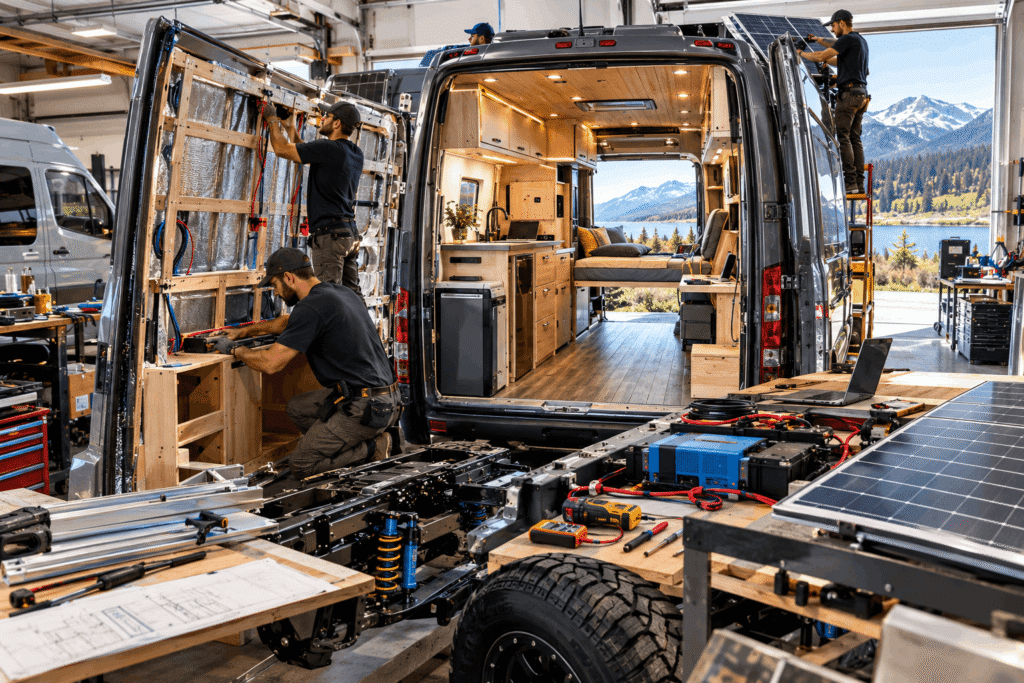
A conversion is really two projects in one. There is the part you see, like cabinets and lighting, and the part you don’t, like wiring, insulation, and structural support.
The vehicle itself matters just as much as the layout. A van carries added weight once it’s loaded with batteries, water tanks, and furniture. That weight changes how the vehicle handles, brakes, and sits on the road.
This is where mechanical knowledge becomes essential. Builders across the United States often work alongside repair shops to make sure a van can safely carry everything a new owner wants to add.
When Structure Comes Into Play
Some projects stay simple and never touch the frame. Others go further. Adding a pop-top, extending a roof, or mounting heavy gear sometimes calls for frame modifications to keep the vehicle balanced and secure.
Frame modifications are not something to take lightly. They affect weight distribution, safety ratings, and how a van performs over time. That’s why this kind of work usually belongs with trained professionals rather than a weekend garage effort.
Suspension upgrades often come into the conversation too. A heavier van needs support that matches its new load, especially for people planning long trips across different states.
Why People Keep Choosing the Van Life
The appeal is easy to understand. A well-planned conversion gives owners a mobile home that fits exactly how they live and travel.
There’s also the practical side. A reliable build can last for years, hold its value, and handle everything from weekend camping to full-time living. Quality work up front saves money and headaches later.
Comfort plays a role as well. Good insulation, smart storage, and a solid electrical setup turn a basic van into a space that actually feels livable through changing seasons.
Real Builds, Real Lessons
Consider a couple who turned a used cargo van into a travel rig for exploring national parks. They focused on the interior first and nearly skipped a mechanical inspection. A quick check revealed the suspension couldn’t handle their planned load.
Stories like this are common. Many owners learn that the mechanical foundation deserves the same attention as the design. Shops such as Hudson Automotive Repair & Service are often part of that process, helping confirm a vehicle is road-ready before the finishing touches go in.
Another frequent scenario involves remote workers. They need reliable power and a stable setup for long stays off-grid. For them, the electrical and structural planning matters far more than the aesthetics.
The Takeaway
Van conversions blend creativity with real engineering. The best results come when the fun parts and the technical parts get equal respect.
Across the United States, the community keeps growing, and so does the knowledge behind it. Whether the goal is weekend trips or life on the road, a safe and solid build always starts beneath the surface.
Frequently Asked Questions
How long does a van conversion usually take?
It depends on the complexity. A basic build might take a few weeks, while a full custom conversion can take several months from planning to finish.
Do van conversions require frame modifications?
Not always. Simple builds often leave the frame untouched. Frame modifications typically come up only with roof extensions or heavy added weight.
Is it safe to add a lot of weight to a cargo van?
Only up to the vehicle’s rated limit. Exceeding it affects braking and handling, so checking payload capacity before building is important.
Can I live in a converted van full-time?
Many people do. Full-time living usually calls for better insulation, a strong electrical system, and reliable water storage.
Should a mechanic inspect the van before conversion?
Yes, that’s a smart step. A pre-build inspection catches issues with the engine, suspension, or brakes before money goes into the interior.