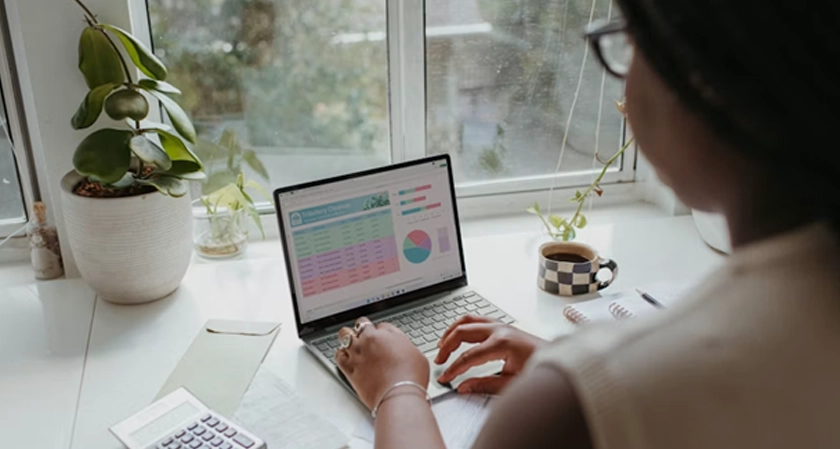
Simple record-keeping practices help small businesses stay organised and keep track of their finances.
Keeping business records is one of those jobs that is easy to put off. There is always something else to do. A customer needs an answer, a supplier needs to be paid, an invoice needs to go out, or another job needs your attention.
Then the month ends, and you realise there are receipts to find, payments to check, and transactions that still need to be recorded.
You need to know what happened in the business, record it properly, keep the documents that support it, and be able to find the information when you need it.
What Is Financial Record Keeping?
Financial record keeping is simply the process of keeping track of the money coming into and going out of your business.
This includes things such as:
- Sales and customer payments
- Business expenses
- Supplier invoices
- Receipts
- Bank transactions
- Payroll records
- Asset purchases
- Loan payments
- Tax-related records
The exact records a business needs will depend on its structure, industry, and location.
Why Should Small Businesses Improve Their Records?
There is a simple reason. You cannot properly understand your business if you do not know what has happened in it.
Good records can help you see how the business is performing, prepare financial statements, keep track of income and expenses, and prepare information needed for tax purposes. It also saves time.
Record Transactions Regularly
This is probably the simplest improvement a small business can make. Do not wait until the end of the year to sort out the books.
If possible, record transactions regularly throughout the month. For some businesses, this may mean every day. For others, once or twice a week may be enough. The important thing is to have a routine.
Keep Business and Personal Transactions Separate
Mixing personal and business transactions makes bookkeeping harder. If you use the same bank account for everything, you may have to go through every transaction later and work out which ones belong to the business.
A separate business account makes the records easier to follow.
It also makes it easier to see the actual movement of business money.
For a small business, this is a simple change that can save a lot of time later.
Make Better Use of Digital Records
There is no reason for a small business to depend entirely on paper records in 2026. Invoices can be stored digitally. Receipts can be scanned. Bank statements can be downloaded. Transactions can be recorded in accounting software or spreadsheets.
Electronic records can make information much easier to search and organise. But moving everything onto a computer does not automatically create good record-keeping.
You still need a sensible system and ensure important records are backed up.
Use One Main System for Your Records
Another common problem is having information everywhere. Some transactions are in a spreadsheet. Some receipts are in an email inbox. Some invoices are in a folder on the computer. Some information is written in a notebook.
That makes it difficult to know which information is current. Try to have one main bookkeeping or recordkeeping system where the business transactions are recorded. Your supporting documents can still be stored separately, but the main record should be clear.
Check the Records Against the Bank
Do not assume that every transaction has been recorded correctly. Check the records against the business bank account regularly. You may find:
- A payment that was missed
- A transaction entered twice
- A bank fee that was not recorded
- A payment recorded for the wrong amount
- A transaction you do not recognise
These things are much easier to fix when they are found quickly.
Keep Track of What Customers Owe You
Sales are not always the same as money received. If you send an invoice to a customer and the customer has not paid yet, that money still needs to be tracked.
Otherwise, it is easy to look at your sales and assume you have more cash available than you actually do. Keep a record of outstanding invoices and check them regularly.
This gives you a better idea of what money is expected to come into the business and what has already been received.
Get Help When the Records Become Too Much
There is nothing wrong with doing some of your own bookkeeping. But as the business grows, the amount of record-keeping can grow with it.
You may have more customers, employees, suppliers, bank accounts, stock, or other transactions. At some point, spending hours every week maintaining the records may no longer be the best use of your time.
That is when professional bookkeeping or accounting support may make sense. You can still understand your own records while having someone else take care of the routine work.
Final Thoughts
Improving financial record management does not require a complicated system. All you can do is start with the basics like record transactions regularly, keep business and personal expenses separate, save your invoices and receipts, back up important information, check your bank accounts against your books, and review the records regularly.
Most importantly, make the system simple enough that you will actually use it.