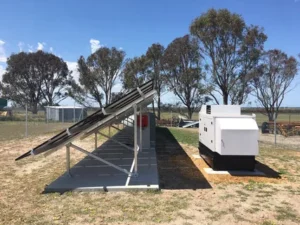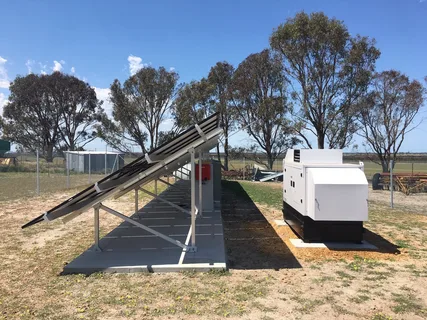
A stand alone energy system provides a self-contained approach to electricity generation and supply as renewable energy and local power independence become increasingly relevant. Unlike conventional arrangements that rely on a central electricity grid, these systems can function independently while producing usable power and limiting reliance on traditional energy sources. Solar panels and wind-generation technologies can be incorporated according to the electricity requirements of a property, making independent systems suitable for homes, isolated locations, and sites with limited access to established grid infrastructure.
Continued developments in energy technology are also improving the performance, flexibility, and practical application of independent power systems. These advancements can make locally generated electricity more accessible to properties seeking greater control over energy production, consumption, resource management, and broader environmental considerations.
Local Power Generation for Changing Electricity Requirements
Independent electricity systems provide a flexible way to address modern power requirements without relying entirely on centralised grid networks. Producing electricity near the point of consumption can be particularly useful in areas where grid connections are unavailable, inconsistent, or costly to establish. This local approach can help properties maintain access to electricity across different locations and operational circumstances.
Solar and wind technologies can work together to generate renewable electricity and reduce dependence on fossil-fuel-based sources. Applications can include residential properties, farms, businesses, and industrial sites, with system configurations adjusted according to changing patterns of electricity use. Technological improvements have expanded the ability to tailor generation and storage capacity around specific requirements, supporting more controlled and efficient energy management.
Independent operation can also strengthen energy resilience by reducing exposure to grid outages, network interruptions, and changes in external electricity supply. As decentralised energy generation becomes increasingly relevant, these systems can contribute to more adaptable and resource-conscious electricity infrastructure across remote areas and established communities.
Essential Equipment within an Off-Grid Electricity Setup
Reliable off-grid power depends on several connected components working together throughout the generation, storage, and distribution process. Solar panels capture sunlight and convert it into electrical energy, while batteries retain excess generation for periods of lower sunlight or increased demand. Charge controllers manage electricity entering the batteries, helping maintain appropriate charging levels and protect storage functionality.
Inverters perform another important role by converting direct current (DC) produced by solar panels and held in batteries into alternating current (AC) required by appliances, machinery, and other electrical devices. Mounting structures keep solar panels securely positioned while supporting suitable exposure to sunlight. Monitoring equipment can provide information about energy production, battery capacity, electricity consumption, and overall system operation.
Selecting compatible components and integrating them correctly can help an off-grid system maintain a dependable electricity supply while promoting effective energy use and supporting reliable performance over the longer term.
Why Properties May Choose Locally Generated Electricity
Independent electricity generation can provide useful advantages for properties where dependable power access is an important consideration. Stand-alone systems can continue operating without complete reliance on established grid infrastructure, helping reduce the impact of certain network interruptions. Renewable technologies, including solar generation, can also decrease dependence on fossil-fuel-based electricity while providing an alternative method of producing power.
Generating electricity locally can support longer-term energy planning by reducing exposure to changes in conventional electricity expenses. It can also provide a practical supply for remote properties where extending a traditional grid connection could involve significant technical requirements or financial investment. Producing power close to the point of use reduces reliance on centralised infrastructure and can contribute to greater energy resilience.
System capacity can also be adjusted to suit individual electricity requirements. Solar generation, battery storage, and associated equipment may be increased or modified as energy consumption develops, allowing properties to accommodate changing demands and manage their available energy resources more effectively.
Where Compact Solar Power Installations Can Be Used
A small stand alone solar system can provide a suitable electricity option for properties with modest energy requirements, particularly where grid access is unavailable, unreliable, or unsuitable. Its smaller configuration can work well for cabins, compact homes, sheds, workshops, and temporary buildings that do not require extensive electricity generation capacity.
Sunlight is converted into renewable electricity through the solar panels, helping properties reduce their reliance on conventional power sources. The system can also offer flexibility where future energy requirements increase, as additional generation or battery storage may be incorporated when appropriate. Solar panels, batteries, inverters, and control equipment operate as an integrated arrangement to maintain electricity availability under changing generation and consumption conditions.
Compact systems may also have relatively straightforward maintenance requirements when appropriate equipment is selected and installation is carried out correctly. With careful planning, these installations can provide dependable long-term electricity while helping properties reduce their reliance on conventional energy supplies.
Factors That Influence Stand-Alone System Performance
The performance of a stand-alone energy system is influenced by multiple factors that collectively determine its efficiency and reliability. The geographical location is pivotal, as areas with abundant sunlight or consistent wind conditions are more suitable for renewable energy generation. The quality and capacity of the components, including solar panels, inverters, and batteries, play a significant role in ensuring optimal operation. Proper system design is crucial, as undersized systems may fail to meet energy demands, while oversized setups could lead to unnecessary costs.
Environmental factors, such as shading from nearby structures or vegetation, can significantly reduce energy output and should be carefully managed during installation. Seasonal variations also affect system performance, with lower energy generation during shorter daylight hours or adverse weather conditions. Regular upkeep, such as cleaning solar panels and inspecting components for wear or damage, is essential to maintain consistent functionality.
Energy Storage & Its Role in Consistent Power Supply
Energy storage is an integral part of stand-alone energy systems, ensuring the availability of electricity when generation levels fluctuate. It bridges the gap between energy production and consumption, particularly for systems reliant on intermittent renewable sources such as solar or wind.
Batteries, commonly used for storage, capture surplus electricity produced during peak generation times and release it during periods of low output, such as at night or during overcast weather. Advances in storage technologies, including lithium-ion and other high-capacity batteries, have improved efficiency and durability, making them well-suited for diverse applications.
Properly designed storage systems also allow for energy load management, optimising usage patterns to match supply. Energy stored in this manner can support critical functions, provide backup during unexpected disruptions, and facilitate off-grid operations. The ability to store electricity enhances the reliability and practicality of stand-alone systems, enabling them to deliver a stable and predictable power supply across varying conditions.
Reliable Solar Electricity Where Grid Access Is Limited
A stand alone solar generator provides a renewable way to produce electricity in locations where conventional power infrastructure is unavailable, remote, or uneconomical to establish. Solar panels capture sunlight and convert it into usable electricity, enabling isolated properties and facilities to function without a direct connection to the central grid. Surplus energy can be stored in batteries, allowing stored electricity to remain available when solar generation falls or additional power is needed.
The flexible nature of these systems makes stand-alone solar generators suitable for rural communities, temporary structures, research sites, and other locations separated from established infrastructure. Using sunlight as the primary energy source can reduce dependence on fossil-based fuels while encouraging renewable electricity generation.
Dependable electricity can be particularly valuable in isolated environments, where it may be needed for lighting, communications, medical equipment, household appliances, and essential operational devices. Modular system designs can also be expanded or adjusted as electricity demands change. Independent solar generation can therefore provide greater energy autonomy in locations where conventional electricity infrastructure is difficult to access.
Where Independent Energy Systems Can Provide Practical Power
Independent electricity systems can accommodate a broad range of applications across residential, agricultural, commercial, emergency, and specialised settings. Rural homes and off-grid properties may use locally generated power for lighting, refrigeration, cooking equipment, and other everyday appliances. Agricultural operations can also use independent electricity for irrigation pumps, cooling equipment, machinery, and other essential functions while reducing dependence on fuel-powered generation.
Businesses and industrial sites may turn to stand-alone systems when grid electricity is unavailable or subject to reliability limitations. Remote schools and healthcare facilities can similarly use independent generation to operate lighting, communication equipment, medical devices, and other important services.
These systems can also provide temporary electricity during disaster recovery when established networks have been damaged or interrupted. Construction sites, field stations, and research facilities may benefit in a similar way, using independent power to run equipment and maintain essential activities in areas without reliable grid connectivity.
Site and Equipment Factors Affecting Solar Output
The amount of electricity produced by a solar installation is influenced by several characteristics associated with the site and selected equipment. Panel orientation and inclination should reflect the geographical conditions of the installation location to encourage effective exposure to available sunlight. High-quality and efficient panels can also contribute to dependable generation and sustained system performance.
Nearby trees, buildings, and other structures need to be assessed because shading can reduce sunlight reaching the panels and subsequently affect electricity production. Modern inverters and energy management functions, such as maximum power point tracking (MPPT), can assist in maintaining efficient generation as sunlight and environmental conditions change.
Routine maintenance can further help preserve system performance and efficiency. Keeping panels clean and inspecting electrical connections can support consistent operation. Generation and storage capacity should also reflect anticipated electricity consumption to avoid insufficient supply or excessive unused capacity. Efficient appliances and greater electricity use during periods of strong solar production can further improve overall system utilisation.
Building a Stand Alone Solar PV System around Actual Energy Demand
Creating dependable off-grid electricity through a stand alone solar PV system design requires careful consideration of electricity consumption, peak loads, and the characteristics of the installation site. Establishing expected daily energy requirements can help determine suitable solar generation and battery storage capacities. Accurate sizing is important for ensuring that sufficient electricity remains available for the intended equipment and applications.
Physical site conditions also form an important part of the planning process. Available sunlight, possible shading, installation area, and panel positioning can all influence potential energy production. Suitable inverters and charge controllers can manage electricity flows while supporting efficient system operation. Monitoring equipment may also provide information about generation levels, battery storage, and overall performance, helping potential problems to be identified.
Anticipated changes in electricity consumption should be incorporated into the initial design. Allowing capacity or physical space for additional solar panels, batteries, and supporting components can make future expansion more straightforward. A well-planned system can therefore provide reliable off-grid electricity while retaining the flexibility needed as energy requirements develop.
Conclusion
A stand alone energy system provides an independent means of generating and managing electricity without depending fully on a central power grid. Renewable sources such as solar energy can be integrated to supply power across residential properties, remote sites, and other settings with specific electricity requirements. Independent operation can strengthen energy resilience, reduce reliance on conventional fuel-based generation, and encourage more sustainable consumption. Flexible configurations allow systems to be designed around different load requirements. As technology continues to advance, stand-alone systems can support reliable electricity access and longer-term energy independence.
FAQs
How does a stand-alone solar generator produce electricity?
A stand-alone solar generator uses photovoltaic panels to convert available sunlight into electrical energy. When generation exceeds immediate demand, surplus electricity can be directed to battery storage. Stored power can then provide electricity during periods when sunlight is unavailable or solar production is reduced.
What advantages can small stand-alone solar systems offer?
Small stand-alone solar systems can provide independent electricity for properties that have limited or no access to conventional grid infrastructure. They can support renewable generation, improve energy resilience, and potentially reduce reliance on externally supplied electricity, depending on system design and individual energy requirements.
What does a stand alone energy system involve?
A stand alone energy system is an independent power arrangement that generates and supplies electricity without depending on a centralised electricity grid. Solar generation is commonly incorporated, alongside components such as batteries, inverters, and suitable control equipment to manage electricity production and usage.
What factors influence stand-alone system efficiency?
System efficiency can be affected by factors including component quality, system configuration, available sunlight, installation conditions, energy demand, and maintenance practices. Appropriate sizing and regular inspection can help ensure generation and storage components operate effectively while supporting dependable electricity supply.
Where can stand-alone systems be used?
Stand-alone systems can serve residential properties, remote locations, agricultural operations, healthcare sites, and emergency facilities where conventional grid access may be unavailable or unsuitable. Their independent configuration allows electricity generation and storage to be adapted to the specific power requirements of different applications.
| Related Business Listings |
| Contact Directory |
| Local Business Profiles |