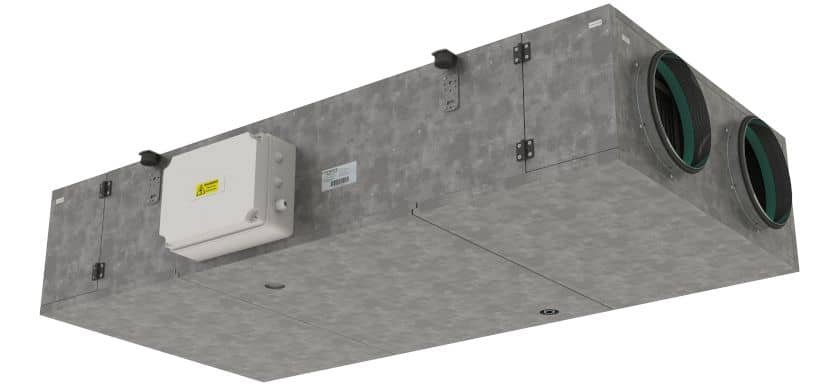
A heat recovery ventilation unit is a technology designed to improve energy efficiency and indoor air quality in modern buildings. It operates by extracting stale indoor air and replacing it with fresh outdoor air, ensuring continuous circulation of clean air. The system minimises heat loss during this exchange, thereby reducing energy consumption. Its integration into homes and commercial spaces supports a healthier and more comfortable indoor environment while aligning with energy-saving goals.
Principles of Heat Recovery Systems
Heat recovery systems function by efficiently transferring heat between incoming and outgoing airflows. This is achieved through a specialised heat exchanger that captures thermal energy from stale outgoing air and uses it to warm incoming fresh air. This process ensures minimal energy wastage while maintaining a comfortable indoor temperature.
The system operates continuously, ensuring a balance between ventilation and heat retention. By reducing the need for supplementary heating, these systems contribute to overall energy efficiency. Their design promotes sustainable building practices by integrating advanced heat-transfer technology.
Additionally, the system prevents infiltration of unconditioned outdoor air, maintains controlled humidity levels, and reduces potential condensation issues. This consistent airflow regulation supports healthier indoor conditions, aligning with energy-saving goals and modern environmental considerations.
Types of Heat Recovery Ventilation System
A heat recovery ventilation system is available in various configurations, each designed to suit different building requirements and layouts. Counter-flow systems utilise a highly efficient design, enabling maximum heat exchange by directing airflow in opposite directions. Cross-flow systems, on the other hand, channel air streams perpendicular to each other, offering a balance between efficiency and compactness. Rotary wheel systems employ a rotating thermal wheel to facilitate heat transfer, making them ideal for larger spaces with high ventilation demands.
Decentralised systems are suited for smaller spaces, operating independently in specific rooms without requiring extensive ductwork. Centralised systems, however, provide whole-building solutions, distributing air through a network of ducts. The selection of a suitable system depends on factors such as building size, air quality requirements, and energy efficiency goals. Each system offers unique advantages tailored to its intended application.
Installation of Ventilation Systems
The installation of a heat recovery & ventilation system necessitates a comprehensive assessment of the building’s design and ventilation requirements. Proper positioning of components, such as ductwork and units, is essential to optimise airflow and energy efficiency. Installation should ensure minimal disruption to the structure while maintaining accessibility for future maintenance.
Adequate insulation of ducting helps prevent heat loss during air transfer. Professional installers often adhere to building regulations and industry standards, ensuring compliance and optimal functionality.
For smaller or modular systems, straightforward designs may allow for quicker installations with reduced complexity. Tailored planning and attention to detail during installation play a pivotal role in maximising system performance and ensuring long-term reliability across diverse environments.
Benefits of Heat Recovery Systems
Heat recovery systems offer numerous advantages, particularly in reducing overall energy consumption by recycling heat that would otherwise be lost during ventilation. This leads to significant savings on heating costs while maintaining efficient indoor climate control. By facilitating consistent air exchange, these systems contribute to a healthier indoor environment, minimising pollutants, allergens, and excess moisture. Their ability to maintain stable indoor temperatures enhances comfort throughout the year.
Additionally, their integration supports sustainability goals by reducing carbon emissions and aligning with environmentally conscious building practices. For residential and commercial settings, these systems deliver a balance of energy efficiency, improved air quality, and environmental benefits, making them a practical solution for modern building designs focused on long-term performance and sustainability.
Common Components of Ventilation Systems
Ventilation systems rely on several key components to function effectively, each serving a distinct purpose. Heat exchangers are central to the system, facilitating the transfer of thermal energy between outgoing and incoming air. Fans ensure a steady airflow, maintaining continuous ventilation throughout the building. Filters are integral for trapping airborne particles, such as dust and allergens, to enhance indoor air quality.
Additional elements, such as ductwork, dampers, and control systems, help regulate air distribution and optimise performance. High-quality materials are typically used to ensure durability and long-term reliability under varying operational conditions. Together, these components work in harmony to support energy efficiency, effective ventilation, and improved living conditions in both residential and commercial environments.
Energy Efficiency of Heat Recovery Unit in Ventilation
Heat recovery unit is designed to minimise energy wastage by utilising the heat from outgoing air to warm incoming fresh air. This process significantly reduces the demand for additional heating, ensuring efficient energy use. Advanced heat exchangers are key to this energy-saving process, capturing thermal energy that would otherwise be lost.
Additionally, the system’s continuous airflow regulation maintains an optimal indoor climate, reducing reliance on external heating systems. By operating efficiently, these systems reduce energy costs while supporting environmentally sustainable practices. Their ability to balance heat recovery and ventilation ensures long-term energy performance, making them a practical choice for modern buildings focused on minimising energy consumption and achieving high environmental standards.
Maintenance of Heat Recovery Systems
Regular upkeep is vital for maintaining the efficiency and reliability of heat recovery systems. Key maintenance tasks include inspecting and cleaning filters to prevent blockages and ensure optimal airflow. Heat exchangers should also be checked for debris or contamination that may affect heat transfer efficiency. Fans and ductwork require periodic examination to detect wear or obstructions that could disrupt operation.
Scheduled servicing helps identify minor issues before they escalate, preserving energy efficiency and extending the system’s lifespan. Proper lubrication of moving components and tightening of connections can further enhance system performance. By adhering to routine maintenance schedules, these systems continue to deliver consistent air quality and energy-saving benefits, ensuring they remain effective in various environments.
Impact on Indoor Air Quality
Heat recovery & ventilation systems play a crucial role in maintaining healthy indoor air by continuously expelling stale air and introducing fresh, filtered air. This process effectively reduces airborne pollutants, allergens, and odours, fostering a cleaner indoor environment. The systems also help regulate humidity levels, preventing excess moisture that can lead to dampness and mould growth.
By ensuring consistent airflow, they mitigate the risks associated with poor ventilation, such as respiratory discomfort and structural deterioration from condensation. These systems support a balanced indoor climate by managing air exchange without compromising energy efficiency, making them a vital component in creating healthier and more comfortable living and working spaces.
Comparing Different Ventilation Strategies
Various ventilation strategies employ distinct approaches to achieve effective air exchange and energy efficiency. Balanced ventilation systems with heat recovery focus on maintaining consistent indoor air quality while minimising heat loss. Exhaust-only systems remove stale air but do not recover heat, making them less energy efficient.
Supply-only systems introduce fresh air without extracting stale air, which may lead to imbalances. Hybrid strategies combine elements of multiple systems, adapting to specific building requirements. The choice of strategy depends on factors such as energy efficiency goals, climate conditions, and building design.
By evaluating the advantages and limitations of each approach, it is possible to implement a ventilation strategy that aligns with the desired indoor environment and energy-saving objectives.
Regulations and Standards for Ventilation Systems
Regulations and standards for ventilation systems are established to ensure proper operation, energy efficiency, and occupant safety. These guidelines typically outline requirements for minimum airflow rates, system efficiency, and acceptable noise levels. Compliance involves adhering to building codes that address ventilation needs based on property size, usage, and occupancy levels.
Standards also dictate the quality and efficiency of components, such as heat exchangers and filters, to promote sustainable practices. Regular inspections and certifications may be necessary to verify compliance.
Future Trends in Heat Recovery and Ventilation
Advancements in heat recovery & ventilation systems are increasingly incorporating smart technologies to enhance functionality and energy efficiency. Automated systems equipped with sensors can adjust airflow and temperature in response to real-time environmental conditions, optimising performance while reducing energy consumption. Modular designs are becoming more prominent, allowing flexibility for integration into various building layouts and retrofits. Innovations in materials, such as improved thermal conductivity and durability, contribute to greater efficiency and reduced maintenance requirements.
Furthermore, the development of compact, decentralised systems offers tailored solutions for smaller or specific spaces. These trends reflect a growing focus on sustainability and the adaptation of systems to meet the evolving demands of energy-efficient building design and urban living environments.
Environmental Impact of Heat Recovery and Ventilation System
Heat recovery and ventilation system plays an essential role in promoting environmental sustainability by optimising energy efficiency. These systems reduce reliance on conventional heating and cooling methods by recovering heat from outgoing air, thereby decreasing energy consumption and associated greenhouse gas emissions. Additionally, they support improved indoor air quality without compromising energy-saving objectives, aligning with eco-friendly building practices. The integration of such systems into modern structures contributes to long-term reductions in carbon footprints.
By adhering to sustainability principles, these systems enhance environmental performance while fostering healthier living conditions. Furthermore, their role in maintaining regulated airflow ensures compatibility with other energy-efficient technologies, supporting the development of greener, more sustainable urban environments that meet contemporary ecological goals.
Conclusion
A heat recovery ventilation unit plays an essential role in modern residential and commercial buildings across Australia, effectively balancing high energy efficiency with superior indoor air quality. By recycling heat from stale exhaust air to condition incoming fresh air, these advanced systems minimise heat loss, lower energy consumption, and reduce reliance on supplementary heating. Integrated filtration, moisture regulation, and continuous airflow management effectively prevent mould growth, eliminate indoor pollutants, and support occupant well-being. Built to comply with rigorous building codes and sustainability standards, heat recovery ventilation provides a durable, eco-friendly solution that delivers optimal long-term performance, enhanced thermal comfort, and reduced carbon footprints.
FAQs
How does a heat recovery ventilation unit work?
A heat recovery ventilation unit extracts stale indoor air while drawing in fresh outdoor air. Through a specialized heat exchanger, thermal energy from the outgoing warm air transfers to the cooler incoming air stream without mixing them. This continuous air exchange maintains clean indoor conditions, retains indoor warmth, and minimises energy wastage throughout Australian homes.
What are the main benefits of installing heat recovery ventilation?
Installing heat recovery ventilation delivers lower heating expenses, consistent thermal comfort, and enhanced indoor air quality. The system continuously removes airborne pollutants, dust, allergens, and excess moisture, reducing dampness and mould risk. Additionally, its energy-efficient operation decreases household carbon emissions, aligning perfectly with modern sustainable building practices and long-term environmental goals.
How often do heat recovery systems require routine maintenance?
Heat recovery systems typically require routine maintenance every six to twelve months to ensure peak performance. Primary upkeep includes inspecting, cleaning, or replacing air filters to prevent airflow blockages. Periodic checks of heat exchangers, fans, and ductwork help detect wear, maintain maximum heat transfer efficiency, and extend the overall lifespan of the system.
Can heat recovery systems help manage indoor humidity levels?
Yes, heat recovery systems play a vital role in controlling indoor moisture levels. By continuously expelling damp, stale air from high-humidity areas like kitchens and bathrooms and replacing it with filtered fresh air, they maintain balanced humidity. This controlled ventilation prevents surface condensation, protects structural materials, and deters harmful mould growth.
Are heat recovery ventilation systems suitable for older building retrofits?
Heat recovery ventilation systems suit both new builds and retrofits, depending on the property layout. While centralised systems with extensive ductwork are ideal for new constructions or major renovations, compact decentralised systems install easily into existing individual rooms. These single-room units deliver effective ventilation and heat recovery without requiring major structural modifications.
| Related Business Listings |
| Contact Directory |
| Local Business Profiles |