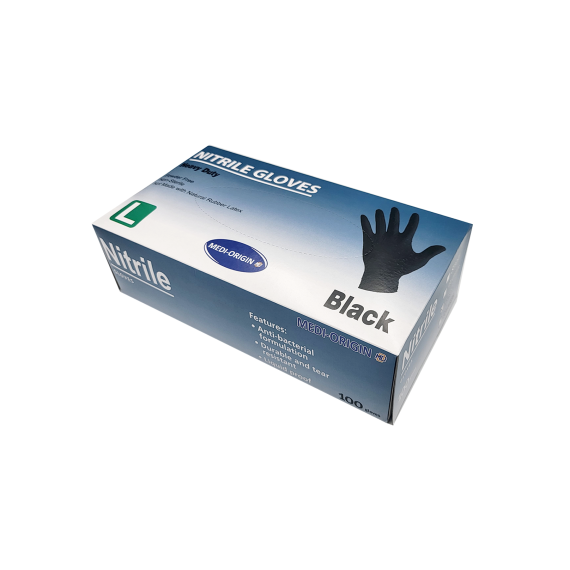
Healthcare facilities depend on reliable protective equipment to maintain hygiene, prevent infections, and protect medical professionals during daily operations. Healthcare PPE suppliers play an important role by providing essential products such as gloves, masks, gowns, face shields, and other protective equipment required in hospitals, clinics, laboratories, and care facilities.
A trusted PPE supplier does more than provide products. They help healthcare organizations maintain consistent stock levels, meet safety standards, and access high-quality protective solutions when they need them most.
Choosing the right supplier is essential because the quality, availability, and reliability of personal protective equipment directly affect workplace safety and patient care.
What Are Healthcare PPE Suppliers?
Healthcare PPE suppliers are companies that provide personal protective equipment designed for medical and healthcare environments. These suppliers source, manufacture, distribute, and deliver protective products used by healthcare workers and organizations.
Healthcare PPE suppliers typically provide products including:
- Medical examination gloves
- Surgical masks
- N95 respirators
- Disposable gowns
- Face shields
- Safety goggles
- Isolation suits
- Disposable caps
- Shoe covers
- Protective sleeves
- Patient care supplies
These suppliers support hospitals, dental practices, nursing homes, laboratories, pharmacies, and other healthcare organizations by ensuring access to essential safety equipment.
Why Are Healthcare PPE Suppliers Important?
Healthcare workers face daily exposure to infectious materials, bodily fluids, chemicals, and contaminated surfaces. Without proper protective equipment, the risk of workplace exposure increases.
Reliable Healthcare PPE suppliers help organizations maintain safe environments by providing protective products that meet required quality standards.
Supporting Infection Prevention
PPE helps reduce the spread of harmful microorganisms between healthcare workers and patients. Gloves, masks, and protective clothing create barriers that limit contamination.
Maintaining Healthcare Operations
Hospitals and clinics require continuous PPE availability for routine procedures, emergency situations, and patient care activities. A dependable supplier helps prevent supply shortages.
Ensuring Product Quality
Healthcare facilities need protective equipment that performs consistently. Trusted suppliers provide products with proper specifications, testing information, and quality assurance.
Improving Workplace Safety
Medical professionals rely on PPE during examinations, surgeries, laboratory work, and other healthcare procedures. High-quality supplies help protect workers while they perform essential tasks.
Types of Products Offered by Healthcare PPE Suppliers
Healthcare PPE suppliers usually provide a wide range of protective products designed for different medical applications.
Medical Gloves
Medical gloves are among the most frequently used PPE products in healthcare settings. They protect hands from contamination during patient examinations, procedures, and cleaning activities.
Common types include:
Nitrile Gloves
Nitrile gloves are widely preferred because they provide excellent durability, puncture resistance, and chemical protection. They are also suitable for users with latex sensitivities.
Latex Gloves
Latex gloves offer excellent flexibility and tactile sensitivity. They are commonly used for medical procedures requiring precise hand movements.
Vinyl Gloves
Vinyl gloves are an economical option for low-risk healthcare tasks where frequent glove changes are required.
A professional PPE supplier should offer different glove materials, sizes, and specifications to meet various healthcare requirements.
Surgical Masks
Surgical masks are designed to reduce exposure to respiratory droplets and airborne contaminants. They are commonly used by doctors, nurses, dentists, and healthcare workers during patient interactions.
Quality surgical masks should provide:
- Effective filtration
- Comfortable breathing
- Secure fitting
- Reliable protection
- Low skin irritation
Healthcare PPE suppliers should provide masks that meet recognized medical quality requirements.
Respirators
Respirators such as N95 masks provide enhanced respiratory protection compared with standard surgical masks.
They are commonly used in environments where healthcare workers may encounter airborne particles or higher exposure risks.
Hospitals, laboratories, and emergency care facilities often require respirators for specialized procedures.
Medical Gowns and Protective Clothing
Protective gowns help prevent contamination of clothing and skin during healthcare activities.
Healthcare PPE suppliers may offer:
- Isolation gowns
- Surgical gowns
- Disposable coveralls
- Fluid-resistant protective clothing
The correct gown selection depends on the level of protection required for specific medical procedures.
Face Shields and Eye Protection
Face shields and safety goggles protect healthcare workers from splashes, sprays, and droplets.
They are especially useful during procedures involving fluids or situations where facial exposure risks exist.
Disposable Accessories
Many PPE suppliers also provide additional protective products, including:
- Bouffant caps
- Shoe covers
- Sleeves
- Disposable aprons
- Patient protection items
These products help maintain cleaner healthcare environments.
How to Choose the Right Healthcare PPE Supplier
Selecting a reliable PPE supplier requires careful evaluation. Healthcare organizations should consider several factors before making purchasing decisions.
Check Product Quality Standards
The quality of protective equipment directly affects safety. Suppliers should provide detailed product information, including:
- Material specifications
- Testing details
- Manufacturing standards
- Product certifications
Quality-focused suppliers maintain strict processes to ensure consistent product performance.
Evaluate Supplier Experience
Experienced healthcare PPE suppliers understand the needs of medical organizations. They can recommend suitable products based on different applications and safety requirements.
A supplier with healthcare industry experience is more likely to provide dependable service and accurate product guidance.
Review Product Range
A complete product range allows healthcare facilities to source multiple PPE items from one supplier.
A strong supplier should provide:
- Different glove options
- Respiratory protection products
- Protective clothing
- Eye protection
- Disposable accessories
This simplifies purchasing and inventory management.
Consider Supply Availability
Healthcare organizations cannot afford unexpected PPE shortages. Suppliers should have reliable inventory systems and efficient delivery processes.
Important factors include:
- Stock availability
- Order processing speed
- Delivery reliability
- Emergency supply options
Compare Pricing and Value
Cost is an important consideration, especially for hospitals and large healthcare organizations purchasing PPE in bulk.
However, buyers should consider overall value rather than choosing products based only on the lowest price.
Important factors include:
- Product quality
- Supplier reliability
- Delivery service
- Long-term supply stability
Benefits of Working With Professional Healthcare PPE Suppliers
Partnering with the right PPE supplier provides several advantages for healthcare organizations.
Reliable Product Availability
Healthcare facilities need continuous access to protective equipment. Professional suppliers maintain inventory systems that support regular and emergency requirements.
Bulk Purchasing Options
Many suppliers provide wholesale options that allow healthcare organizations to purchase larger quantities at competitive prices.
Bulk purchasing helps reduce purchasing frequency and improves supply planning.
Consistent Quality Control
Established PPE suppliers follow quality control processes to ensure products meet customer expectations.
Consistent quality reduces the risk of receiving unsuitable or unreliable protective equipment.
Faster Procurement
Working with an experienced supplier simplifies ordering processes. Healthcare organizations can quickly purchase required products without managing multiple vendors.
Expert Product Support
Professional suppliers can help customers choose suitable PPE based on their workplace environment and protection requirements.
Industries That Depend on Healthcare PPE Suppliers
Healthcare PPE suppliers support many industries beyond hospitals.
Hospitals
Hospitals require large quantities of PPE for emergency care, surgeries, patient examinations, and infection prevention.
Dental Clinics
Dental professionals use gloves, masks, protective eyewear, and gowns to maintain safety during procedures.
Laboratories
Laboratories require specialized protective equipment when handling biological samples, chemicals, and research materials.
Nursing Homes
Care facilities use PPE to protect elderly residents and healthcare workers from infections.
Pharmaceutical Facilities
Pharmaceutical companies rely on protective clothing and equipment to maintain controlled environments.
Veterinary Clinics
Animal healthcare providers also use PPE during examinations and medical treatments.
Common Mistakes When Selecting Healthcare PPE Suppliers
Choosing the wrong supplier can create safety and operational problems.
Focusing Only on Low Prices
Low-cost PPE may not always provide adequate protection. Healthcare organizations should evaluate quality, reliability, and compliance before purchasing.
Ignoring Supplier Reputation
A supplier’s reputation provides insight into product quality and customer service. Buyers should review experience, product information, and service reliability.
Not Checking Certifications
Medical PPE should meet relevant safety requirements. Organizations should confirm that suppliers provide appropriate documentation.
Poor Inventory Planning
Healthcare facilities should maintain proper PPE stock levels and work with suppliers who can support regular replenishment.
How Technology Is Improving Healthcare PPE Supply Chains
Modern PPE suppliers are using technology to improve ordering, inventory tracking, and delivery management.
Digital supply systems help organizations:
- Monitor stock levels
- Automate reordering
- Track deliveries
- Manage supplier relationships
Better supply chain technology helps healthcare facilities respond quickly to changing demands.
Future Trends in Healthcare PPE Supplies
The healthcare PPE industry continues to develop with improvements in materials, sustainability, and product design.
Sustainable PPE Solutions
Manufacturers are exploring environmentally friendly materials and recycling options to reduce medical waste.
Comfortable Protective Equipment
Future PPE designs focus on lightweight materials, better ventilation, and improved comfort for healthcare workers.
Advanced Manufacturing
New production methods are helping suppliers improve product consistency, availability, and customization.
Stronger Supply Networks
Healthcare organizations are increasingly working with dependable suppliers to create more resilient supply chains.
How to Maintain a Strong Relationship With Healthcare PPE Suppliers
Long-term supplier relationships can improve purchasing efficiency and product availability.
Healthcare organizations should:
- Communicate demand forecasts
- Review product performance
- Maintain regular ordering schedules
- Discuss future supply requirements
- Evaluate supplier service quality
A strong partnership helps both suppliers and healthcare organizations prepare for changing needs.
FAQs About Healthcare PPE Suppliers
What do healthcare PPE suppliers provide?
Healthcare PPE suppliers provide protective equipment such as medical gloves, masks, respirators, gowns, face shields, goggles, and other products used for infection prevention and workplace safety.
How do I choose a reliable healthcare PPE supplier?
Choose a supplier based on product quality, certifications, industry experience, delivery reliability, product range, and customer support.
Why is supplier reliability important for healthcare facilities?
Reliable suppliers help healthcare organizations maintain consistent PPE availability, prevent shortages, and support safe medical operations.
Can healthcare PPE suppliers provide bulk orders?
Yes. Many suppliers offer wholesale and bulk purchasing options for hospitals, clinics, laboratories, and other healthcare organizations.
What PPE products are most commonly purchased by healthcare facilities?
Common products include disposable gloves, surgical masks, N95 respirators, protective gowns, face shields, and disposable accessories.
Are all PPE products suitable for medical use?
No. Healthcare PPE must meet specific safety and quality requirements. Medical facilities should purchase products designed specifically for healthcare environments.
How often should healthcare facilities reorder PPE?
Reordering frequency depends on usage rates, facility size, patient volume, and emergency preparedness requirements. Regular inventory monitoring helps determine appropriate reorder schedules.
Do PPE suppliers help with product selection?
Many professional suppliers provide guidance to help healthcare organizations choose products based on their safety requirements and workplace conditions.
Conclusion
Reliable Healthcare PPE suppliers are essential partners for maintaining safety, infection control, and efficient healthcare operations. From medical gloves and masks to protective clothing and specialized equipment, the right supplier ensures healthcare professionals have access to dependable protection.
Healthcare organizations should evaluate suppliers based on quality standards, product availability, experience, and service reliability. A trusted PPE partner helps create safer workplaces while supporting better patient care and long-term operational stability.