For thousands of years, people across the world have loved jade. Famous for its soothing green shades, smooth texture, and deep cultural meaning, jade is far more than a simple decorative stone. It is a timeless symbol of luck, good health, peace, and natural beauty. However, long before a piece becomes a glossy bangle or an elegant pendant, it starts as raw, natural stone fresh from the earth. Exploring the world of rough jade gives you a true appreciation for how these incredible gems are discovered, carved, and transformed into fine jewelry.
Whether you are a gemstone collector, a jewelry maker, or simply someone looking for a meaningful gift, learning about uncut jade helps you choose the best pieces for your style and budget.
What Is Rough Jade?
Rough jade is natural, unpolished stone just as it is found in nature. It comes directly from rivers, mines, and mountain rocks before any carver shapes or polishes it into jewelry.
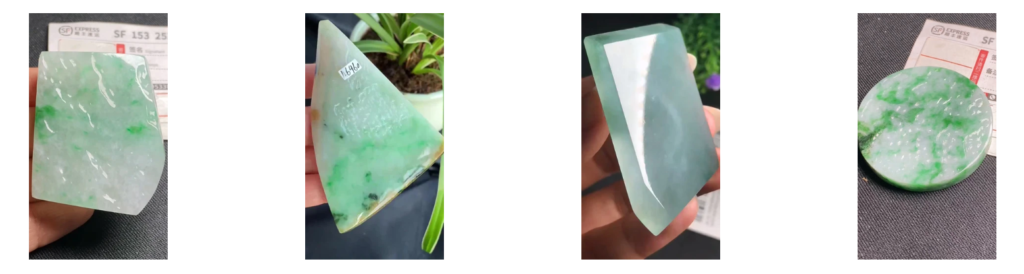
When you look at uncut stone, it often looks like a plain, heavy river rock on the outside. Nature covers the stone in a rough outer skin called a rind. Carvers and collectors must examine the stone carefully—sometimes cutting tiny windows into the outer skin—to reveal the hidden colors and clear textures inside.
The Mysteries Hidden Inside Natural Stone
Unlike soft, manufactured materials, raw stone holds surprises. Two uncut stones that look identical on the outside can be completely different on the inside. One might hold a rich, bright green core, while another might show gentle lavender or pure white shades. This element of mystery makes raw stone deeply exciting for collectors and artisan carvers alike.
The Two Main Types of Natural Jade
To understand raw stone, it helps to know that the word “jade” actually refers to two completely different natural minerals: Jadeite and Nephrite.
1. Jadeite
Jadeite is the rarer, harder, and more valuable form of jade. It is famous for its bright, vivid colors and smooth glass-like translucency.
- Common Colors: Emerald green (often called Imperial Jade), lavender, icy white, vivid yellow, and reddish-brown.
- Where It Comes From: The finest Jadeite in the world comes from Myanmar (Burma), as well as small deposits in Guatemala and Japan.
- Best Used For: High-end jewelry pieces, detailed pendants, fine bangles, and precious collector stones.
2. Nephrite
Nephrite is a tough, fibrous mineral with a soft, oily luster. It has been used for thousands of years to carve traditional tools, statues, and smooth bangles.
- Common Colors: Deep spinach green, soft white (often called Mutton-Fat Jade), gray, and rich dark black.
- Where It Comes From: Found in large amounts in Canada, New Zealand, Russia, and Western China.
- Best Used For: Durable everyday bangles, large decorative carvings, statues, and smooth beads.
Both forms are genuine, natural stones, but Jadeite is generally rarer and holds a higher market value for fine jewelry.
Why People Buy Uncut Natural Stone
While polished jewelry is ready to wear immediately, buying raw natural stone offers several unique benefits for collectors and creators.
1. Custom Carving Potential
When you purchase uncut stone, you have complete control over what it becomes. You can work with a skilled artisan to carve personalized pendants, custom ring cabochons, family crest seals, or unique statues that no one else in the world owns.
2. True Value for Crafters and Collectors
Buying raw material directly often costs less per gram than buying finished store pieces. Jewelry designers and hobby carvers buy uncut stones to slice them into raw slabs and create multiple custom items from a single block.
3. Natural Display Pieces
Many people love keeping unpolished stone in its natural state. Placing a smooth piece of raw stone on a wooden display stand in your home or office adds a grounded, natural energy to your living space.
How Artisans Turn Raw Stone into Fine Jewelry
Transforming a heavy, rough stone into a smooth piece of fine jewelry requires great skill, patience, and artistic vision.
- Inspecting the Stone: The carver shines bright light through the stone’s surface to locate cracks, internal color veins, and clear spots.
- Slicing into Slabs: Using diamond-coated saws, the carver cuts the rough block into thin, manageable stone slabs.
- Outlining and Shaping: The artisan draws the intended design directly onto the stone slab and cuts away excess edges using small rotary tools.
- Detail Carving: Fine details—such as delicate lotus petals, lucky dragon scales, or smooth oval beads—are carved slowly by hand.
- Polishing: The carved stone goes through multiple sanding and polishing stages with fine diamond powder until it shines with a soft, radiant luster.
How to Check if Your Stone Is Genuine
Because natural gems are in high demand, fake materials made from glass, plastic, or dyed quartz are common in online stores. Here are simple ways to test stone quality:
- Feel the Temperature: Real stone feels cool and smooth to the touch when you pick it up. It takes time to warm up against your skin.
- Check the Weight: Genuine stone has a high density, meaning it feels surprisingly heavy in your hand compared to lightweight plastic or glass.
- Look for Natural Variations: Flawless stone with no internal lines, clouds, or small color shifts is extremely rare. Pure natural stones almost always show subtle internal patterns created by nature.
- Listen to the Sound: Tapping a natural piece gently against another real stone creates a clear, high-pitched ringing sound. Fake glass or plastic creates a dull, flat thud.
Simple Care Tips for Your Natural Stone Items
Whether you own a piece of raw stone or a smooth polished pendant, simple care keeps your treasures looking vibrant for decades.
- Clean with Mild Soap: Wash your stone using lukewarm water and a few drops of mild soap. Wipe it clean with a soft cotton cloth.
- Avoid Strong Household Chemicals: Keep your pieces away from harsh cleaning products, bleach, perfumes, and strong hairsprays that can dull the surface.
- Store in Soft Pouches: Place your items inside soft cloth bags or padded jewelry boxes to protect them from harder gems like diamonds or sapphires.
- Wear and Touch It Often: Natural contact with skin oils gently hydrates the stone, helping it retain a healthy, glossy glow.
Discover Authentic Natural Gems Today
From raw, uncut stones holding secret colors inside to finely polished bangles and custom pendants, jade offers a unique connection to nature, history, and timeless fashion. Whether you want to collect natural stone blocks, design a custom heirloom, or treat yourself to a beautiful daily accessory, genuine stone brings balance and quiet elegance into your life.
Explore certified, Type A natural stone collections designed to last a lifetime. Visit Jade Nature today to discover fine jewelry, raw gems, and special gifts crafted with authentic care.