Walk into any store and you notice something fast. A few products pull your eyes in, and the rest just blend into the shelf. Most of the time, that difference comes down to how the product is presented. A well-made custom brand display tells shoppers who you are before they even pick up the pack. It gives your product a home that looks like it belongs to your brand and not to the shelf next to it. This blog covers why these displays matter, where most brands go wrong, and how a modular approach, like the one from Budder Displays, can save you money over time.
Why a Generic Shelf Doesn’t Work Anymore
Retail shelves are crowded. Shoppers spend only a few seconds scanning a section, and they usually go for what looks clear and familiar. If your product sits on a plain shelf with a tiny label, you are depending on luck.
A custom display fixes that by controlling the story. You choose the colors, the layout, the product order and the message. Everything lines up with your packaging and your tone. Shoppers may not consciously notice it, but they feel that the brand is put together and trustworthy. That feeling often decides which product goes in the basket.
There is also a practical side. Store staff are busy. A clean display with a clear place for each product is easier to keep tidy, so your brand looks good even on a rushed Saturday afternoon.
The Real Problem With Traditional Displays
Here is where many brands get stuck. They spend a lot on a fixed display built for one campaign, one product lineup, one season. Then the lineup changes. A new flavor launches, a promotion ends, or pricing shifts. Suddenly the display is out of date, and the only fix is to throw it away and order a new one.
Budder Displays calls this out directly on its website, saying that traditional displays wear out, warp or become outdated quickly. That matches what many retail teams complain about. A display that cannot change is really a short-term expense dressed up as an investment.
This is why flexibility has become the main thing people look for. You want something that looks custom today and can still be useful a year from now.
How Budder Displays Approaches Custom Work
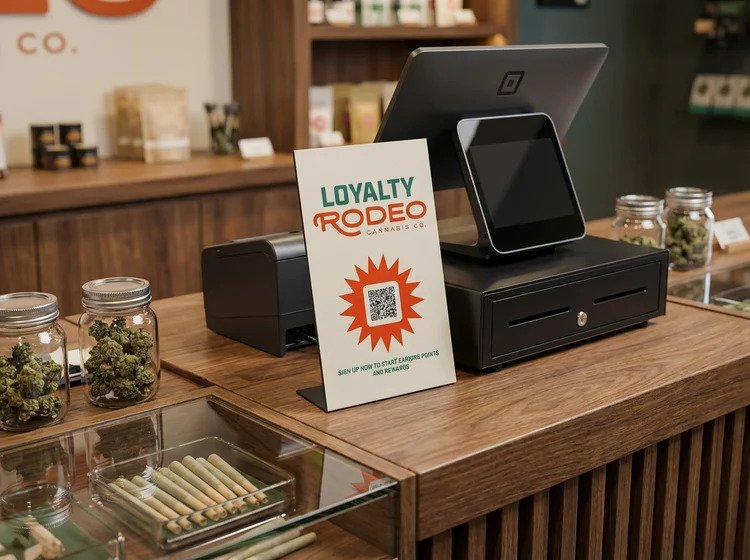
Budder Displays builds modular display systems that run on two platforms. The first is the Flip Display System, which uses metal and magnets. You can swap product cards, update messaging or rearrange items in seconds, without reprinting anything. That is a big deal for counters and shelves where products change often.
The second is the Budder Groove System, a groove-based platform that was designed around how cannabis products are actually sold. It suits dispensaries and brands that need clean, organized layouts with a lot of products in a small space.
One Set of Parts, Many Layouts
The part I find most useful is how the components work together. Backers, risers and rails can be added or removed depending on what you need at the moment. According to the company, the same components can be arranged in more than twelve configurations. The range goes from small 6×10 counter displays up to large 10×32 floor displays.
So if you start with a small counter setup and later want to grow into a bigger footprint, you are not starting from zero. You build on what you already own. For a brand running across several store locations, this also keeps every setup consistent, which is harder than it sounds.
Speed and Made-in-USA Production
Timelines matter in retail. Budder says prototypes can be ready in as little as ten days, depending on the design and the material. Full production usually takes about two weeks for smaller displays and four to six weeks for larger fixtures, depending on how much customization is involved. The displays are designed and manufactured in the United States, which can make communication and quality checks simpler.
If you are not sure how your logo and colors will look, the brand offers a free mockup within 24 hours. That is a low-risk way to see your own branding on the product before you commit to anything.
What About Cost?
Price is always the question, so let me be straight about it. A fully fixed, one-off display can run into thousands of dollars, and you pay again each time you want a change. Modular systems usually cost less upfront, and the savings grow because you update panels instead of replacing whole units.
For example, Budder’s online store lists some of its magnetic displays at prices starting around the one-hundred-fifty-dollar mark for standard sizes, though prices can change, so check the site for current numbers. Standard production is listed at about three weeks, with rush options available. Compared with big custom builds, that is a very different budget conversation, especially for smaller brands testing a new retailer.
One honest note: Budder says cooler displays are not a standard product right now, but they can build custom ones. So if you need something specific like that, it is worth asking early.
When a Custom Display Makes the Most Sense
Not every brand needs a huge fixture. Ask yourself a few simple things. Do your products or promotions change often? Do you sell in more than one store? Is your packaging strong enough that it deserves better presentation? If the answer to most of these is yes, a modular custom display will probably pay for itself.
It also helps when you are pitching to retailers. Walking in with a ready-to-go display makes your product easier to say yes to, because the store does not have to figure out where to put it.
Tips for Getting the Design Right
Keep the layout simple. A display that tries to say five things says nothing. Put your hero product at eye level, keep spacing even, and let your brand colors do the work. Think about how the display looks from a few steps away, because that is where most shoppers first see it.
Plan for change from the start. Decide which parts you will update often, like pricing or featured products, and make sure those are the easiest to swap. Good design is not only about looks. It is about how easy the display is to live with every week.
Conclusion
A custom display is not a luxury anymore. It is one of the more direct ways to make your brand visible in a crowded store, and the modular approach makes it realistic even for smaller teams. Whether you are updating a counter setup or planning a full floor presence, the right system should grow with you instead of getting replaced. If you want your point of sale displays to stay fresh without a new fabrication bill every quarter, a flexible system from Budder Displays is worth a close look.
Frequently Asked Questions
1. What is a custom brand display?
A custom brand display is a retail fixture designed around your own logo, colors and product range. Instead of using a generic shelf, you get a setup that matches your packaging and shows your products the way you want shoppers to see them.
2. How long does it take to get a custom display from Budder Displays?
Budder says prototypes can be ready in about ten days. Full production usually takes around two weeks for smaller displays and four to six weeks for larger fixtures, depending on the design and the level of customization.
3. Are Budder Displays made in the USA?
Yes, according to the company, its displays are designed and manufactured domestically. That can help with quality control and faster communication during the project.
4. Can I see my branding before I place an order?
Yes. Budder offers a free mockup, and the team says it will show your brand on its displays within 24 hours of your request. It is a good way to check the look before spending anything.
5. Can modular displays change when my products change?
That is the whole idea. Backers, risers and rails can be added or removed, and the Flip system lets you swap messaging and products quickly. You update what you need and keep the rest, which saves both time and money.