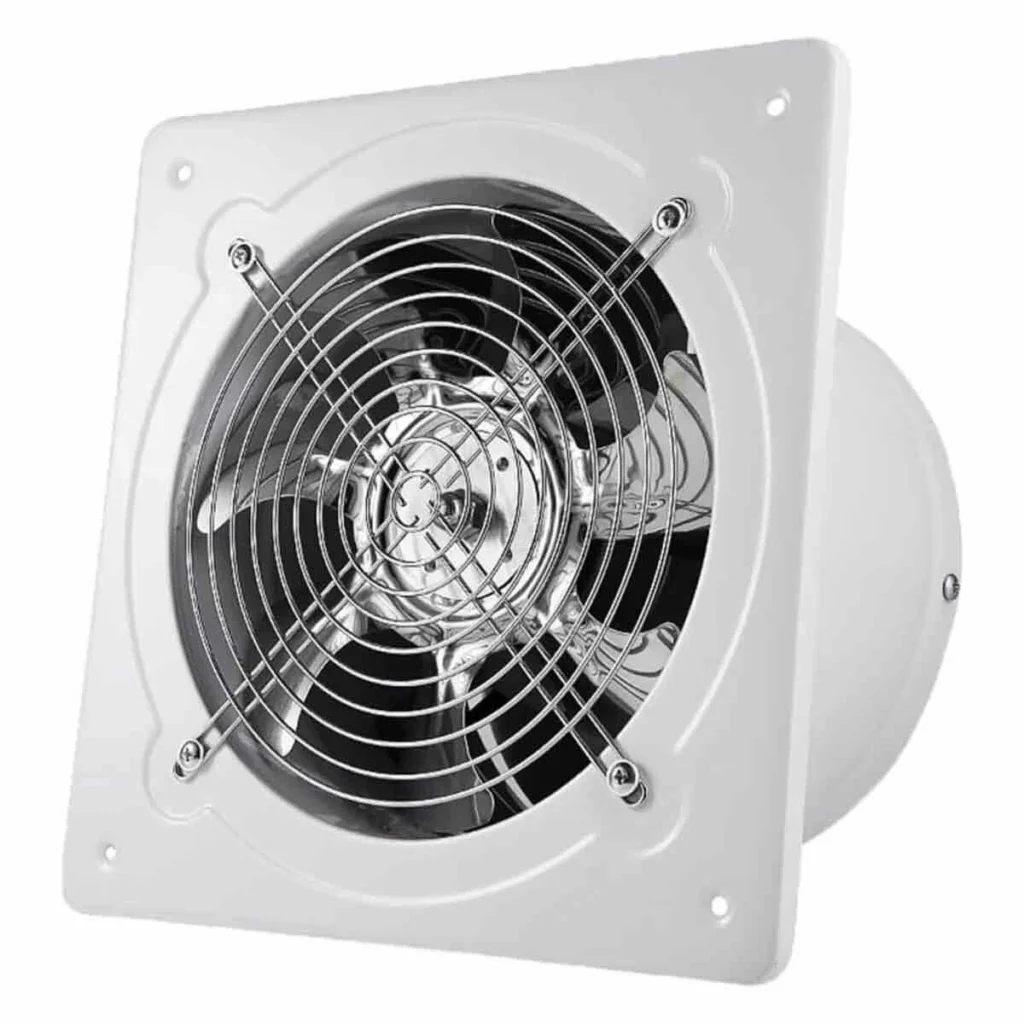
A ventilation fan is devices designed to expel stale air, odours, and airborne pollutants from enclosed spaces. By facilitating air exchange, they play a key role in maintaining healthier and more comfortable indoor environments. These fans are widely utilised in both residential and commercial settings due to their ability to manage air quality and regulate humidity. Their functionality extends to removing excess moisture, reducing the risk of mould growth, and preventing the accumulation of harmful contaminants. Exhaust fans are integral to ensuring proper ventilation in various spaces, such as kitchens, bathrooms, industrial sites, and public facilities. By supporting airflow and maintaining hygienic conditions, they contribute significantly to occupants’ comfort and well-being. This article delves into the diverse uses of exhaust fans across numerous environments, illustrating their importance in fostering healthier spaces.
Improving Air Quality in Kitchens
Kitchens, particularly in commercial settings, can generate significant amounts of smoke, grease, and odours during cooking processes. Exhaust fans are instrumental in extracting these by-products, ensuring the air remains cleaner and more breathable. They work by efficiently removing airborne grease particles and heat, preventing them from accumulating on surfaces or compromising indoor air quality.
By maintaining proper airflow, exhaust fans help reduce humidity caused by steam, thus minimising the risk of dampness or mould growth. Additionally, they help create a more comfortable and hygienic cooking environment by regulating temperature and removing lingering odours. The effective operation of exhaust fans is essential for maintaining a functional and pleasant atmosphere in busy kitchen spaces.
Bathroom Ventilation
Exhaust fans play a pivotal role in maintaining cleanliness and hygiene in bathrooms by effectively managing air circulation and moisture levels. They are designed to extract excess humidity generated by activities such as showering, which can otherwise lead to mould and mildew growth.
By removing damp air and odours, these fans help to create a fresh and comfortable environment. Proper ventilation provided by exhaust fans also helps preserve bathroom surfaces, reducing the risk of damage from prolonged exposure to moisture. Through their efficient operation, exhaust fans ensure that bathrooms remain a sanitary and pleasant space, minimising the build-up of condensation and promoting overall structural longevity.
Industrial Ventilation
Exhaust fans in industrial environments are crucial for managing air quality and ensuring a safe working atmosphere. These fans are designed to expel harmful substances such as fumes, dust, and airborne particles generated during industrial processes. By facilitating the removal of these contaminants, exhaust fans help reduce health risks for workers and maintain compliance with occupational safety standards.
Additionally, they help regulate temperature and prevent heat buildup in facilities where machinery operates continuously. Effective ventilation provided by exhaust fans also helps prolong equipment lifespan by reducing exposure to airborne pollutants. Their role in creating a clean, breathable environment is essential to supporting productivity and maintaining safety in industrial operations.
Cooling Public Transport Facilities
Exhaust fans are integral to maintaining comfortable conditions within public transport facilities. These spaces, often characterised by high foot traffic and limited ventilation, can quickly become congested and uncomfortable. By promoting consistent air circulation, exhaust fans help reduce heat and improve overall air quality. Their operation helps to expel stale air and minimise odours, creating a fresher environment for commuters. Additionally, removing excess humidity prevents dampness, contributing to a more pleasant atmosphere.
Enhancing Comfort in Educational Institutions
Exhaust fans play a significant role in maintaining a healthy and productive environment in educational institutions by ensuring proper air circulation. These fans effectively remove stale air, reducing the concentration of indoor pollutants that can hinder focus and learning.
By regulating humidity levels, they help prevent discomfort from excess moisture, which can affect both students and staff. Additionally, exhaust fans minimise the accumulation of airborne allergens, promoting better respiratory health within classrooms.
Proper ventilation provided by exhaust fans ensures that spaces remain fresh, especially in areas with high occupancy such as lecture halls or auditoriums. This consistent air exchange fosters a more comfortable and conducive atmosphere for teaching and learning activities. Furthermore, the removal of odours and excess heat helps maintain an inviting and hygienic environment across all educational facilities.
Supporting Healthcare Environments
Exhaust fans are essential in healthcare environments for maintaining clean and hygienic air. These fans efficiently extract airborne contaminants, including pathogens, chemicals, and odours, which can otherwise compromise patient safety and staff well-being. Their use is particularly critical in areas like operating theatres, isolation rooms, and laboratories, where air quality must meet stringent standards. By managing airflow, exhaust fans help regulate humidity levels, reducing the risk of mould and bacterial growth.
Additionally, they help prevent cross-contamination between zones within healthcare facilities. The effective operation of exhaust fans ensures a controlled and sterile environment, supporting infection control protocols and creating a safer atmosphere for both patients and healthcare professionals.
Enhancing Airflow in Gyms and Sports Facilities
Exhaust fans are vital in gyms and sports facilities for maintaining optimal air circulation and ensuring a comfortable atmosphere during physical activities. These spaces often experience increased humidity and odours due to high activity levels, making proper ventilation essential. Exhaust fans expel stale air, regulate temperature, and prevent the buildup of moisture, which can otherwise create an unpleasant environment.
By promoting consistent airflow, they help minimise airborne pollutant concentrations, including dust and allergens. This ensures that the environment remains fresh, hygienic, and conducive to physical performance. Additionally, exhaust fans help preserve the facility’s structural integrity by preventing excessive humidity from damaging walls, ceilings, or equipment.
Public Restroom Ventilation with Ventilation Fan
A ventilation fan in public restrooms serve a critical role in maintaining air quality and ensuring a sanitary environment. These fans are specifically designed to remove excess humidity and stale air, preventing condensation and dampness. By promoting proper airflow, they help minimise the presence of airborne bacteria and other contaminants, reducing potential health risks.
Additionally, exhaust fans help expel unpleasant odours, ensuring a more comfortable and hygienic atmosphere. Effective ventilation also helps preserve the integrity of restroom surfaces, as excess moisture can cause damage or discolouration over time. Their consistent operation is vital in upholding the cleanliness and functionality of these high-traffic facilities.
Retail and Shopping Centres
Exhaust fans in retail and shopping centres play a vital role in maintaining a pleasant and inviting indoor environment. These fans ensure effective air circulation, which helps regulate temperature and prevents the build-up of heat in crowded spaces. By expelling stale air and minimising humidity, they create a more comfortable atmosphere for both customers and staff.
Additionally, proper ventilation reduces the risk of unpleasant odours accumulating, enhancing the overall shopping experience. Exhaust fans also help maintain a hygienic environment by reducing airborne pollutants and moisture levels, which could otherwise affect the condition of goods or store interiors. Their operation is particularly beneficial in areas with high foot traffic, helping keep the space fresh and conducive to prolonged visits.
Optimising Air Quality in Hotels
Exhaust fans in hotels are essential for maintaining a comfortable and hygienic environment by effectively managing air circulation. These fans help remove moisture, preventing damp conditions that could otherwise lead to structural damage or unpleasant odours. They also play a key role in reducing airborne particles, thereby improving air quality in guest rooms and common areas. By regulating humidity levels, exhaust fans help preserve furnishings and décor, ensuring interiors remain in optimal condition.
Additionally, their operation helps expel stale air, creating a fresh and inviting atmosphere. The presence of exhaust fans supports the overall functionality and appeal of hotels, enhancing the experience for all occupants while promoting long-term upkeep of the facilities.
Promoting Safety in Laboratories
Exhaust fans are integral to maintaining safety and air quality within laboratory environments by expelling hazardous fumes and airborne chemicals generated during experiments. Their operation prevents the accumulation of toxic substances, ensuring a safer atmosphere for research activities. Additionally, these fans regulate airflow to maintain controlled conditions, which are essential for preserving the integrity of sensitive procedures.
By reducing contaminant levels and managing humidity, exhaust fans help safeguard laboratory equipment and materials from potential damage. Effective ventilation also supports compliance with safety standards, protecting personnel from exposure to harmful substances. These systems are crucial in fostering a secure and functional environment, enabling laboratories to operate efficiently while prioritising health and safety standards.
Enhancing Air Circulation in Libraries
Proper ventilation in libraries is essential for maintaining an optimal environment for study and preservation. Exhaust fans enhance air circulation by efficiently expelling stale air and regulating humidity levels, which can otherwise lead to damp conditions and potential damage to books and archival materials. By facilitating consistent airflow, these fans minimise the build-up of dust and airborne pollutants, creating a cleaner and healthier indoor atmosphere.
Additionally, improved air quality contributes to a more comfortable and inviting space for patrons and staff. The operation of exhaust fans supports both the library’s functionality and the long-term preservation of its collections.
Conclusion
A ventilation fan is an indispensable mechanical ventilation device essential for maintaining superior indoor air quality, humidity control, and occupant comfort across Australia. Operating across diverse residential, commercial, and industrial settings—including kitchens, bathrooms, healthcare facilities, gymnasiums, laboratories, and public transport hubs—these systems actively extract stale air, airborne contaminants, excessive moisture, and unpleasant odours. By continuously driving air exchange, exhaust fans effectively mitigate mould growth, prevent structural moisture damage, safeguard sensitive equipment, and eliminate dangerous chemical fumes. Integrating efficient exhaust ventilation supports rigorous hygiene standards, ensures compliance with occupational health regulations, and creates fresh, healthy, and inviting indoor environments for all occupants.
FAQs
Why is ventilation fan essential in bathrooms and wet areas?
A ventilation fan is vital in bathrooms to continuously extract heavy water vapour, steam, and excessive humidity generated by hot showers. By removing moisture-laden air, exhaust fans prevent condensation build-up on walls and mirrors, inhibiting destructive mould growth, timber rot, and unpleasant damp odours, thereby maintaining a fresh, hygienic environment across Australian homes.
How do commercial kitchen exhaust fans improve indoor safety?
Commercial kitchen exhaust fans extract high volumes of airborne grease particles, intense cooking heat, moisture, and carbon monoxide generated during food preparation. By removing flammable grease residue from cooking areas and regulating ambient room temperatures, exhaust fans protect kitchen staff from heat stress, reduce fire hazards, and ensure compliance with strict workplace health regulations.
What role do exhaust fans play in healthcare and laboratory settings?
In healthcare and laboratories, specialized exhaust fans extract hazardous chemical fumes, airborne pathogens, toxic gases, and unpleasant odours directly from contaminated zones. Maintaining controlled negative pressure ventilation prevents cross-contamination between rooms, protects medical research integrity, safeguards healthcare workers from hazardous chemical exposure, and ensures sterile, infection-controlled environments for patient care.
Can running an exhaust fan help prevent structural building damage?
Yes, running an exhaust fan prevents structural moisture damage by extracting excess humidity before condensation penetrates timber frames, plasterboard, ceiling tiles, and structural insulation. Controlling indoor moisture levels prevents rotting, peeling paint, warped cabinetry, and toxic black mould infestation, effectively preserving the structural integrity and long-term asset value of commercial and residential properties.
What features should be considered when choosing an exhaust fan?
Key factors to consider include airflow capacity measured in cubic metres per hour, noise levels rated in sones or decibels, energy efficiency ratings, and ducting requirements. Additionally, features like integrated draught stoppers, humidity sensors, run-on timers, auto-shutter mechanisms, and easy-clean removable grilles ensure optimal performance, energy savings, and low maintenance.
| Related Business Listings |
| Contact Directory |
| Local Business Profiles |