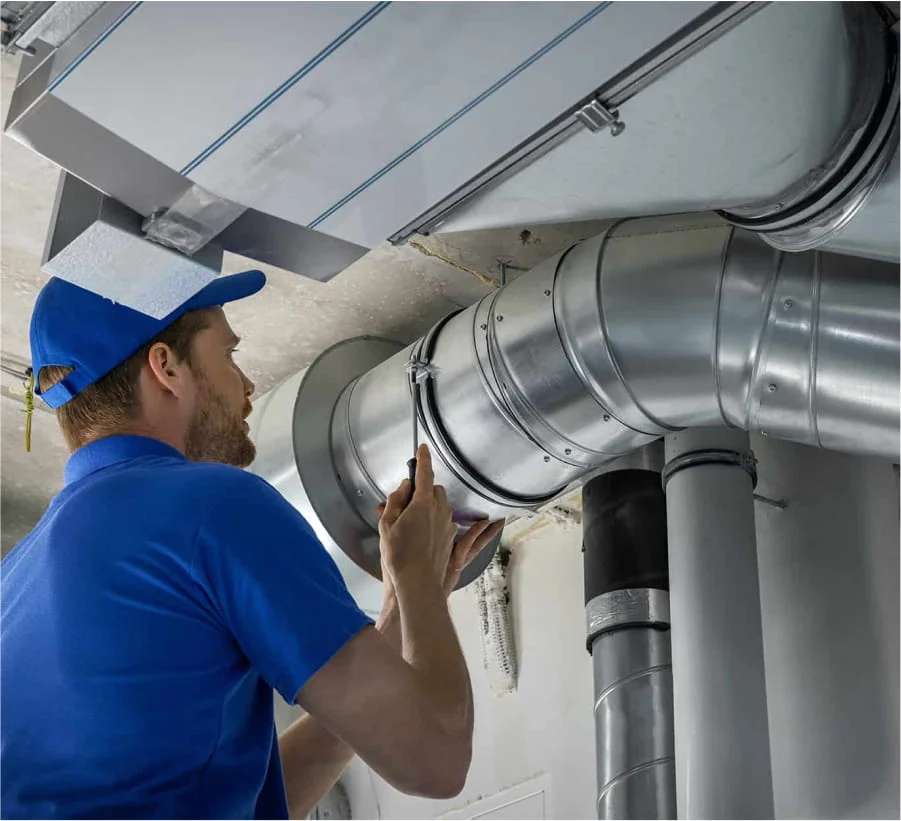
Repair heating ducts is an important topic for homeowners, landlords, property managers, and business owners who want to maintain a comfortable indoor environment during colder weather. Heating ducts distribute warm air from a furnace or other forced-air heating system to different rooms throughout a building. When these ducts become damaged, disconnected, blocked, or poorly insulated, the heating system may struggle to maintain consistent temperatures.
Problems with heating ductwork can lead to cold rooms, weak airflow, unnecessary energy consumption, and increased strain on HVAC equipment. Some issues are easy to identify, such as a disconnected duct in an accessible roof space, while others remain hidden inside ceilings, walls, or floor cavities.
The good news is that not every heating duct problem requires a complete replacement. Minor leaks, loose connections, damaged insulation, and certain restrictions can often be corrected through targeted repairs. Identifying the cause early can help prevent further deterioration and restore the system’s performance.
Understanding the warning signs, available repair methods, and maintenance requirements can help you make informed decisions about your heating system.
This guide explains how to repair heating ducts, why professional inspections matter, what affects repair costs, and how to maintain ductwork for reliable heating throughout the year.
What Are Heating Ducts?
Heating ducts are part of a forced-air HVAC system. They carry warm air from the heating equipment to supply vents positioned throughout a building.
The system may also include return-air ducts that carry indoor air back to the heating equipment, where it can be filtered and heated again.
Heating ducts can be manufactured from flexible insulated materials, sheet metal, rigid fibreglass duct board, or other materials designed for HVAC applications.
Each type has different installation requirements and maintenance considerations. Flexible ducts are commonly used in residential properties because they can be routed through confined spaces, while metal ducts provide a rigid air distribution pathway.
Over time, heating ducts may develop problems such as:
- Leaks around joints and connections.
- Tears in flexible ductwork.
- Disconnected duct sections.
- Crushed or restricted air pathways.
- Damaged or deteriorated insulation.
- Loose supports or unsuitable duct routing.
- Moisture-related deterioration.
The appropriate repair depends on the type of duct, the location of the damage, and the overall condition of the heating system.
Why Repairing Heating Ducts Is Important
Heating ductwork affects how effectively warm air reaches the rooms where it is needed. Even when the furnace or heating equipment operates correctly, damaged ducts can reduce the system’s overall performance.
Improving Warm Air Distribution
One of the main reasons to repair heating ducts is to restore consistent airflow.
If a duct becomes disconnected or crushed, warm air may not reach the intended room in sufficient quantities. This can leave bedrooms, living areas, or other parts of the building colder than expected.
Repairing the damaged section can help restore airflow when the ductwork is responsible for the problem.
However, cold rooms can also result from poor insulation, blocked filters, closed dampers, faulty equipment, or an incorrectly designed system. A proper assessment helps identify the actual cause.
Reducing Heating Energy Waste
Leaking heating ducts can allow warm air to escape into roof spaces, wall cavities, or other unconditioned areas.
When this occurs, the heating system may need to operate longer to maintain the desired indoor temperature.
Sealing leaks and restoring insulation can help reduce unnecessary heat loss. The potential savings depend on the size and location of the leaks, the condition of the existing system, and the quality of the repairs.
Supporting Heating System Performance
Forced-air heating equipment is designed to operate within particular airflow requirements.
Significant duct restrictions or poorly connected sections can interfere with air distribution and may affect equipment performance.
Depending on the system and the nature of the fault, restricted airflow can also contribute to overheating or equipment safety controls activating.
Repairing damaged ductwork can help restore suitable airflow, although a technician should also inspect the heating equipment if performance problems continue.
Improving Indoor Comfort
A properly functioning heating duct system helps distribute warm air more evenly throughout a building.
When ducts are damaged, some rooms may feel cold while others receive excessive heating. This can make the building uncomfortable and encourage unnecessary thermostat adjustments.
Correcting duct problems may help improve comfort and reduce temperature differences between rooms.
Common Signs That Your Heating Ducts Need Repair
Recognising early warning signs can help you identify when an inspection is necessary.
Cold Rooms and Uneven Temperatures
If some rooms remain cold while others heat normally, the ductwork may not be distributing warm air effectively.
A leaking branch, disconnected duct, crushed section, or poorly balanced system can reduce the amount of heated air reaching a room.
However, drafts, inadequate wall insulation, air leaks around windows, and thermostat placement can produce similar symptoms.
A professional assessment can determine whether duct repairs are likely to resolve the problem.
Weak Airflow From Heating Vents
Weak airflow may indicate a restriction, leak, disconnected section, or blockage within the duct system.
Start by checking that accessible vents are open and that the heating system’s air filter is clean and installed correctly.
If airflow remains weak, an HVAC technician can inspect the ductwork and check other system components.
Avoid closing multiple supply vents to force more heat into one room, as this can affect system airflow and may create additional problems.
Unusual Noises
Whistling, rattling, or unusual air movement sounds can indicate loose connections, gaps, poorly secured duct sections, or restricted airflow.
Metal ducts may also produce expansion and contraction sounds as temperatures change.
Some noises originate from the furnace, blower, or other HVAC components rather than the ductwork itself.
Identifying the source is important before deciding which repairs are necessary.
Higher Heating Bills
An unexplained increase in heating costs may be associated with leaking or poorly insulated ducts.
When warm air escapes into unconditioned spaces, the system may need to run longer to maintain the desired temperature.
However, energy costs can also rise because of colder weather, energy price changes, equipment faults, or changes in building occupancy.
Comparing energy use and arranging an inspection can help establish whether ductwork is contributing to the problem.
Visible Damage to Ductwork
Tears, crushed flexible ducts, loose connections, and deteriorated insulation are clear reasons to investigate further.
Minor damage may be repairable, while extensive deterioration may require replacement.
Avoid entering unsafe roof spaces or disturbing unfamiliar insulation materials. A qualified technician can assess concealed or difficult-to-access sections safely.
Common Heating Duct Problems and Their Solutions
Different ductwork problems require different repair methods. Understanding the options can help you discuss the issue with an HVAC professional.
Repairing Leaking Heating Ducts
Leaks can occur around duct joints, seams, and connections. Warm air escaping through these openings reduces the amount of heat delivered to the intended rooms.
Professional duct sealing involves identifying the leaks and using appropriate materials to close them.
Depending on the duct type and location, technicians may use approved duct sealants, suitable sealing tapes, or other materials designed for HVAC applications.
Ordinary household adhesive tape is generally not a reliable long-term solution because it may deteriorate under operating conditions.
After sealing, the technician may inspect the affected sections to confirm that the connections are secure.
Fixing Disconnected Heating Ducts
Heating ducts may separate because of poor installation, physical disturbance, deteriorated connections, or inadequate support.
A disconnected duct can allow warm air to escape into a roof space or other area instead of reaching the intended room.
Repairing the connection generally involves reconnecting the duct securely, sealing the joint, and ensuring that the section has adequate support.
The technician should also investigate why the connection failed to help prevent the problem from recurring.
Repairing Crushed Flexible Ducts
Flexible heating ducts can become crushed when heavy items are placed on them or when people move through roof spaces.
Excessive bending and sagging can also restrict airflow.
If the material remains in good condition, the technician may be able to correct the routing and support. Severely crushed, torn, or deteriorated sections may require replacement.
Proper installation is important because flexible ducts need suitable support and gradual bends to maintain effective airflow.
Restoring Heating Duct Insulation
Insulation helps prevent heat from escaping as warm air travels through the ductwork.
Damaged, compressed, wet, or missing insulation can reduce thermal performance, particularly when ducts run through unconditioned spaces.
Repairing the insulation may involve restoring its coverage or replacing damaged sections.
If moisture is present, the source should be identified and corrected before new insulation is installed.
Correcting Restricted Airflow
Restricted airflow can result from crushed ducts, excessive bends, unsuitable duct dimensions, closed dampers, or obstructions.
The technician should determine whether the restriction originates in the ductwork or another part of the HVAC system.
Depending on the findings, the solution may involve adjusting duct routing, repairing a damaged section, correcting a damper setting, or making other appropriate modifications.
Can You Repair Heating Ducts Yourself?
Some basic heating system maintenance can be performed by property owners, but duct repairs require care.
You can usually check accessible supply vents, replace a user-serviceable filter according to the manufacturer’s instructions, and look for obvious damage in safely accessible areas.
However, working with concealed ductwork, damaged insulation, electrical equipment, or confined roof spaces may require professional assistance.
Poorly executed repairs can restrict airflow, fail to seal leaks, or damage the duct system.
If the heating system uses combustion equipment, never block combustion air openings or alter flues, exhaust vents, or other safety-related components as part of a duct repair.
If you smell gas, suspect carbon monoxide, or experience a carbon monoxide alarm, leave the affected area and contact the appropriate emergency or utility service. Do not continue operating equipment suspected of being unsafe.
For complex duct problems, a qualified HVAC technician can determine the cause and recommend an appropriate repair.
The Professional Heating Duct Repair Process
Understanding the repair process can help you prepare for a service visit.
Initial Inspection
The technician will ask about the symptoms, including cold rooms, weak airflow, unusual noises, or increased heating costs.
The inspection may cover accessible ducts, vents, connections, insulation, and relevant heating equipment.
Depending on the problem, the technician may use specialised tools to assess airflow or locate concealed leaks.
Identifying the Cause
Once the ductwork has been examined, the technician determines the likely source of the problem.
This may involve identifying loose joints, disconnected sections, damaged insulation, crushed ducts, or unsuitable routing.
The technician may also check the air filter, blower, dampers, and other components to rule out alternative causes.
Selecting the Repair Method
The repair method depends on the duct material, severity of the damage, accessibility, and system requirements.
A small leak may need sealing, while a damaged duct section may need replacement.
The technician should explain the proposed work, expected costs, and any additional issues that may require attention.
Completing the Repair
The technician carries out the agreed work using materials and methods appropriate for the heating system.
This may involve sealing connections, reconnecting duct sections, correcting supports, or restoring insulation.
Safe access is especially important when work takes place in roof spaces, confined areas, or locations containing electrical services.
Testing the Heating System
After the repair, the technician may operate the heating system and check the affected areas.
Depending on the work, this may include inspecting connections, assessing airflow, and checking whether the original symptoms have improved.
If cold rooms or weak airflow persist, further investigation may be necessary.
How Much Does It Cost to Repair Heating Ducts?
The cost of heating duct repairs depends on the type of damage, duct material, accessibility, and amount of work required.
A minor sealing repair may be relatively straightforward, while replacing a long damaged section in a difficult-to-access roof space can require more labour and materials.
Factors that affect the cost include:
- The number and size of damaged duct sections.
- Whether the ductwork is flexible, metal, or another material.
- Access to ceilings, roof spaces, and wall cavities.
- The amount of insulation that needs repair.
- The materials and tools required.
- Labour and diagnostic requirements.
- Whether additional HVAC faults are identified.
For example, sealing an accessible leaking joint may require less work than repairing a disconnected duct deep inside a roof cavity.
To obtain an accurate estimate, request a written quote describing the problem, the proposed repair, the materials, labour, and any additional charges.
If replacement is recommended, ask why repair is not considered suitable and whether partial replacement is possible.
Comparing quotes can help you assess your options, but the cheapest service may not provide the best long-term value if the underlying cause remains unresolved.
How to Prevent Heating Duct Problems
Regular maintenance can help preserve ductwork and reduce the likelihood of recurring problems.
Schedule Routine HVAC Maintenance
Follow the manufacturer’s maintenance recommendations for the heating system.
During appropriate service visits, a technician can inspect accessible ductwork, connections, insulation, filters, and other components.
Keep Vents Clear
Avoid placing furniture, rugs, curtains, or stored items over supply and return air grilles.
Blocked vents can interfere with airflow and affect heating performance.
Inspect Accessible Ductwork
Where it is safe to do so, look for visible signs of damage, loose supports, disconnected sections, or deteriorated insulation.
Do not enter unsafe roof spaces or disturb unfamiliar insulation materials.
Address Moisture Problems
Leaks and condensation can damage duct insulation and surrounding materials.
Investigate persistent moisture and correct the source before repairing affected sections.
Prevent Physical Damage
Avoid placing heavy items against flexible ducts or allowing tradespeople to crush them while working in roof spaces.
Proper support and careful access can help preserve duct shape and reduce the likelihood of damage.
When Should You Repair or Replace Heating Ducts?
Repairing heating ducts is often appropriate when the damage is limited to a small area and the remaining system is in good condition.
For example, a minor leak, loose connection, or isolated section of damaged insulation may be repaired without replacing the entire duct network.
Replacement may be more practical when the ductwork has extensive deterioration, widespread leakage, repeated connection failures, or a design that no longer meets the building’s requirements.
A professional should assess the condition of the existing system and compare the expected reliability and cost of repair with replacement.
Age alone does not automatically mean that ductwork needs to be replaced. The decision should reflect the actual condition, performance, and suitability of the system.
Conclusion
Repair heating ducts is an important step in maintaining reliable heating performance and indoor comfort. Damaged, leaking, disconnected, or poorly insulated ducts can contribute to cold rooms, weak airflow, unnecessary energy consumption, and uneven temperatures.
Recognising early warning signs and arranging a suitable inspection can help identify the cause before the problem becomes more extensive. Depending on the damage, the solution may involve sealing leaks, reconnecting ducts, restoring insulation, correcting airflow restrictions, or replacing a damaged section.
Professional assessment is particularly valuable when ductwork is concealed, difficult to access, or connected to a wider heating system problem.
By choosing a qualified HVAC technician, requesting a clear quote, and maintaining the system regularly, property owners can help keep their heating ducts in suitable condition and support dependable indoor comfort.
Frequently Asked Questions
1. What Are the Signs That Heating Ducts Need Repair?
Common signs include cold rooms, weak airflow, uneven temperatures, unusual whistling or rattling noises, visible duct damage, and unexpected increases in heating costs. An inspection can help determine whether damaged ductwork is responsible.
2. How Much Does It Cost to Repair Heating Ducts?
The cost depends on the type of damage, duct material, accessibility, and repair method. Minor sealing work may cost less than repairing disconnected or damaged sections in concealed areas. Request a written quote for an accurate estimate.
3. Can Leaking Heating Ducts Increase Energy Bills?
Yes. Leaking ducts can allow warm air to escape before reaching the intended rooms, potentially increasing energy consumption. The impact depends on the severity and location of the leaks and the heating system’s operating conditions.
4. Should I Repair or Replace Damaged Heating Ducts?
Minor leaks and loose connections can often be repaired, while severely crushed, deteriorated, or extensively damaged sections may require replacement. A qualified HVAC technician can assess the condition and recommend the most appropriate solution.
5. How Often Should Heating Ducts Be Inspected?
There is no single inspection schedule suitable for every property. Ductwork should be checked when airflow problems, cold rooms, unusual noises, or visible damage occur. Periodic inspections during routine HVAC maintenance can also help identify developing problems.