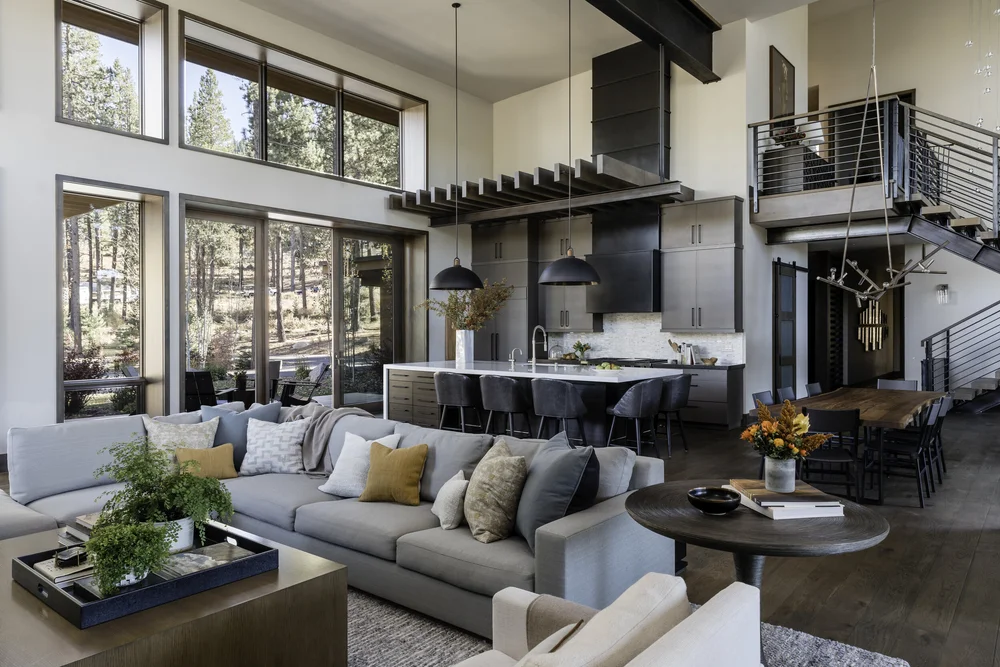
You drive up into Truckee and the buildings just sit differently against the trees. Sharp light. Big sky. Snow or dry ground depending on the month. Doing this as a Truckee architectural photographer means dealing with all of it at the same time. The structure has to feel like it grew there, not like someone dropped it in for a photo. Some days the light helps. Other days it just works against you.
Let’s be real. Plenty of architectural photos still look like they could be from anywhere. Clean lines. Perfect angles. Zero sense of place. Truth is the ones that last show how the building lives with what is around it. Heavy beams next to the pines. Glass picking up that mountain light. Materials that look right for the high country. Skip that and the shots feel generic pretty fast.
Light Up Here Does Not Play Nice
Mountain light is stronger and cleaner than most spots. Early mornings can stay soft if you catch it. Midday gets hard and throws sharp shadows across walls and decks. Late day stretches things out and warms up the wood. I try to order the shots around that. Get the sides that lose sun first. Save the open views for later when the light gets longer. Sounds simple. Reality is you keep watching the sky and changing plans.
I stay light on artificial stuff. Too much of it and the building starts looking set up. Natural light still shows how the place actually feels when you stand there. Clients usually want that version anyway. The real structure, not some cleaned-up idea of it.
Things That Flatten Architectural Shots
Trying to make every angle look big and dramatic is a regular problem. Not every building needs the full hero treatment. Sometimes a quieter frame shows the scale better. Another one is cutting the structure off from its setting. Up here the trees, the slope, the sky all count. Isolate the building completely and it loses a lot of what makes it work.
People also want the scene too clean. Every leaf is gone. Every surface is perfect. The short answer is that it often hurts more than it helps. A little natural texture keeps the place from looking sterile. Empty and perfect goes cold quick.
Buildings Up Here Are Not All the Same
Some projects are heavy timber with deep overhangs. Others are modern glass places open to the views. You have to switch how you shoot. Tighter and closer on the heavier ones. Wider and more patient on the open ones so the volume does not disappear. No fixed method works every time. You look at the building and adjust.
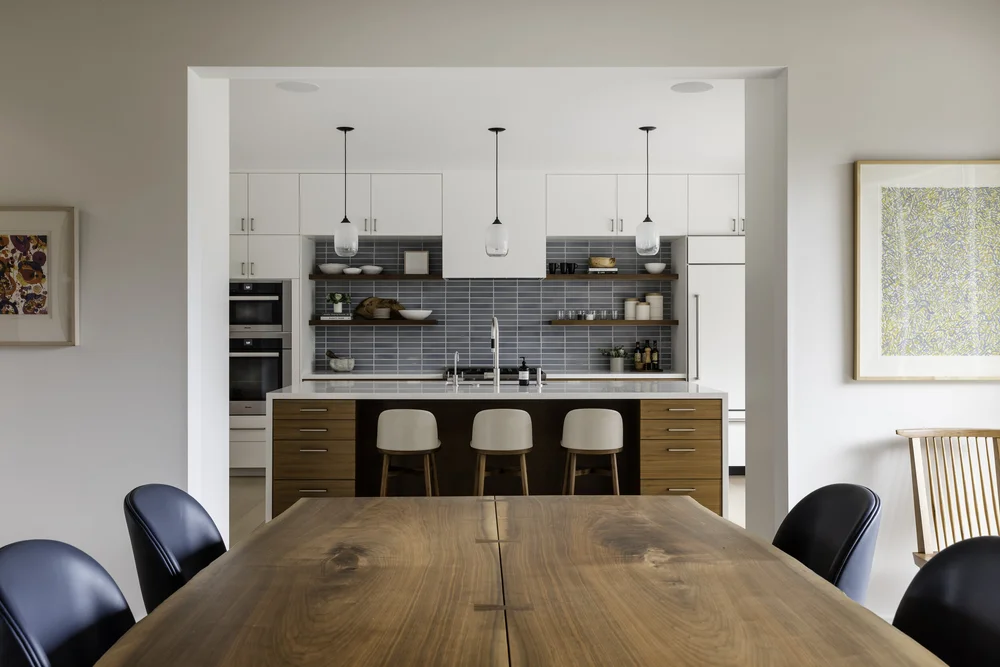
That flexibility helps when jobs head down into wine country. Taking on work as a Napa home photographer means softer light, different materials, a more settled landscape. The core idea stays close though. Respect the architecture. Work with the light you get. Do not push a look that does not belong.
What Clients Usually Get Wrong
A lot of folks think the whole site needs to be cleared and styled before the camera comes out. Rarely true. We tidy the obvious mess and maybe move a couple things for cleaner lines. The character of the building and its setting should stay. If everything looks brand new and untouched the photos lose weight.
Time gets underestimated too. Good architectural work takes longer than most plan for. Waiting on light. Checking details. Moving around the structure. Rushing shows later in the images. Better to spend the extra time than end up with flat frames.
Building a Set That Actually Does the Job
Pretty pictures by themselves are not enough. Architects and builders need clear views of the design. Homeowners need to see how the place sits in its environment. I mix wider shots for the overall feel with tighter ones that catch materials and light. The mix says more than either type would alone.
Editing stays light. Clean small distractions and balance the light but leave the structure the shape it is. No stretching walls or adding features that were never there. Overdone architectural photos look sharp for a second then start feeling plastic. Real ones hold up better.
Staying Straight Across Different Places
Shoot enough buildings and patterns show up. Certain times of day work cleaner in certain spots. Some materials photograph easier. But every structure still has its own odd bits. That keeps the work from getting boring. You cannot just run the same moves. Photos drop off when you do.
The same basic patience applies down in Napa. A solid Napa home photographer approach still needs attention and not forcing things. Different light. Different buildings. Same respect for the place.
In the end, the photos that work do not try hard to impress. They just feel right. Like the building belongs exactly where it is. That is the bar I keep using. If someone looks longer and gets a sense of the place then the job gets done the way it should.
FAQs
How much does time of day matter for mountain architectural shoots?
A lot. Early or late light usually gives cleaner results. Midday can work but the shadows get harder on most structures.
Does the site need to be perfectly cleared first?
Usually no. Light tidiness is enough. A bit of natural texture often helps the building feel grounded.
What about buildings with lots of glass or reflections?
We work with it. Careful angles and timing the light. Reflections can be handled without killing the design.
How many final images from a typical session?
Depends on the project size and scope. Most cover the main elevations, key details, and how the structure sits in its setting.