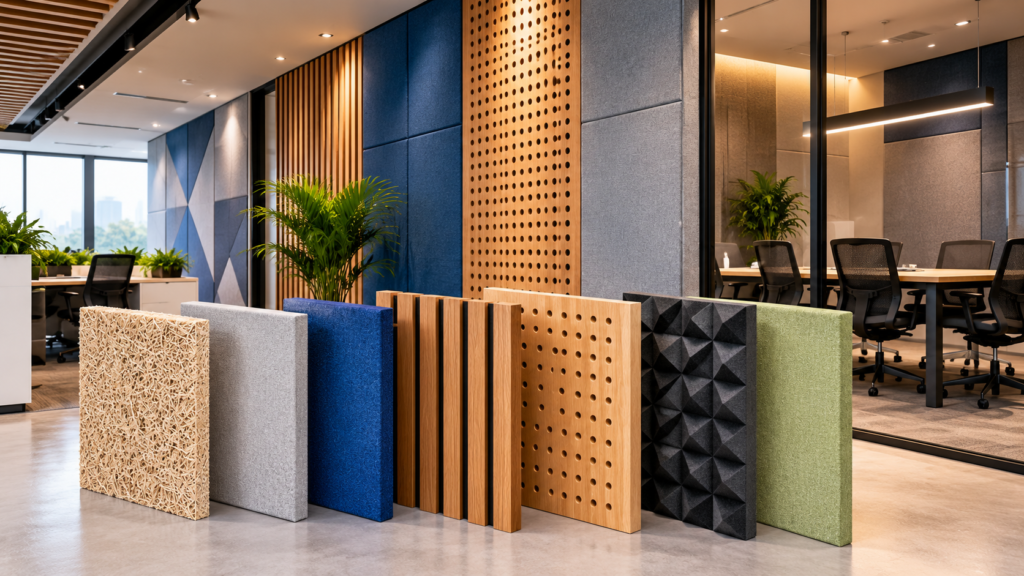
Acoustic Wall Panels: Smarter Sound Control for Modern Commercial Spaces
Open-plan offices, conference rooms, restaurants, and studios share a common problem: hard surfaces bounce sound around until speech becomes unclear and noise levels climb. Acoustic Wall Panels tackle this by absorbing excess sound energy, reducing echo, and making spaces more comfortable to work and talk in.
How Acoustic Panels Work
Sound waves lose energy when they hit soft, porous materials. Acoustic panels typically combine a core of high-density mineral wool, polyester fibre, or foam with a breathable fabric or wood-finish facing. The core traps sound waves and converts them into tiny amounts of heat, which cuts reverberation. Performance is usually measured by the Noise Reduction Coefficient (NRC), where a higher value means better absorption.
Where They Are Most Useful
- Corporate offices and open workstations
- Meeting rooms and training halls
- Auditoriums, theatres, and seminar halls
- Recording studios and podcast rooms
- Restaurants, cafes, and hotel lobbies
Benefits Beyond Noise Reduction
Better acoustics improve speech clarity, lower stress, and help people concentrate. Panels also work as design elements, with colours, textures, and patterns that match any brand or interior theme. Many are lightweight, easy to mount, and available in fire-rated and eco-friendly options.
Choosing the Right Panels
Look at the NRC rating, panel thickness, core material, and fire safety certification. Placement matters as much as the product. Treat first reflection points and large flat walls first, and cover roughly 15 to 25 percent of wall area for a noticeable improvement. For large projects, a professional acoustic assessment helps you avoid over- or under-treating the room.
When you want a space that sounds as good as it looks, investing in quality Acoustic Wall Panels is one of the most effective upgrades you can make.