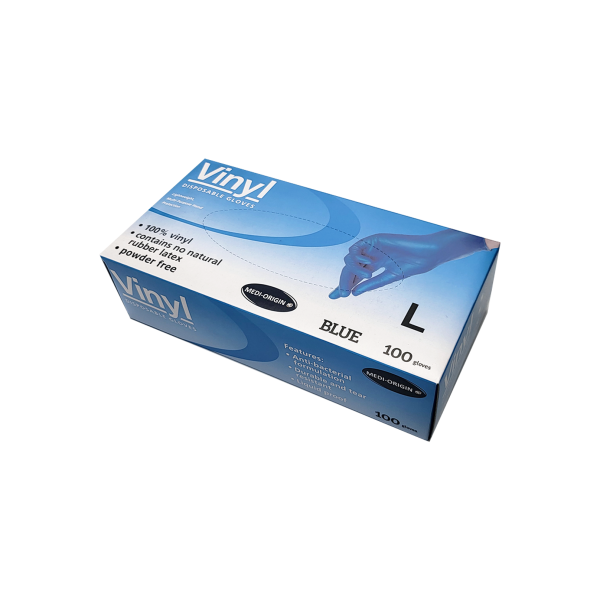
Hand protection is an important part of maintaining hygiene and supporting safe working practices across many industries. Restaurants, healthcare facilities, cleaning companies, food processing businesses, and hospitality providers often use disposable gloves to reduce direct contact with contaminants and keep routine tasks manageable. Vinyl gloves are a popular option for selected low-risk applications because they offer an economical, convenient form of single-use hand protection.
Made from polyvinyl chloride (PVC), vinyl gloves are available in different sizes, designs, and packaging options. Many businesses choose them for tasks that require frequent glove changes but do not involve significant chemical exposure, demanding physical work, or other hazards that require specialised protection.
However, not all disposable gloves provide the same performance. Vinyl gloves generally have less elasticity than nitrile and latex alternatives, and their durability and suitability depend on the product’s specifications and intended use.
Understanding these differences helps businesses select appropriate gloves for their operations. This guide explains what vinyl gloves are, their features, benefits, common uses, differences from other glove materials, and how to choose the right products for personal or professional use.
What Are Vinyl Gloves?
Vinyl gloves are disposable gloves manufactured from polyvinyl chloride, a synthetic plastic material. They are designed to create a barrier between the hands and selected substances during routine tasks.
These gloves are commonly used in food preparation, hospitality, general cleaning, retail, and certain personal care applications. Their relatively economical pricing makes them attractive to businesses that consume large quantities of disposable gloves.
Vinyl gloves are available in powdered and powder-free versions. Powder-free products are often preferred in environments where additional powder residue could transfer onto food, surfaces, equipment, or other materials.
The main purpose of vinyl gloves is to provide suitable hand protection for specific tasks. They should not automatically be treated as substitutes for nitrile, latex, or specialist chemical-resistant gloves.
When selecting vinyl gloves, businesses should consider the task, potential hazards, fit, material properties, and applicable workplace requirements. A glove that works well for routine food preparation may not provide sufficient protection for hazardous chemicals or demanding industrial activities.
Key Features of Vinyl Gloves
Understanding the main characteristics of vinyl gloves can help buyers determine whether they are appropriate for their needs.
Polyvinyl Chloride Material
Vinyl gloves are made from PVC, which provides a flexible barrier for selected low-risk activities.
Their material properties differ from those of nitrile and latex gloves. Vinyl generally has less elasticity, which can affect fit, comfort, and performance during tasks involving frequent hand movement.
Businesses should review product specifications rather than assuming all vinyl gloves provide the same level of durability.
Powder-Free Options
Powder-free vinyl gloves are manufactured without added donning powder.
This can help reduce powder-related residue in environments where cleanliness matters, including selected food preparation and service activities.
However, powder-free does not automatically mean sterile, medical-grade, or suitable for direct food contact. Buyers should verify the intended use and relevant documentation for the specific product.
Lightweight Construction
Vinyl gloves are generally lightweight and convenient for short tasks.
Their construction can make them practical in environments where workers need to replace gloves frequently. However, they may be less suitable for prolonged wear or tasks involving significant stretching.
A suitable fit is important for comfort and handling control.
Multiple Sizes
Vinyl gloves are commonly available in small, medium, large, and extra-large sizes, depending on the manufacturer.
Choosing the correct size helps improve comfort and makes it easier to perform routine tasks.
Gloves that are too tight may split during movement, while oversized gloves can reduce control and make certain activities more difficult.
Single-Use Design
Most vinyl gloves are intended for single use.
They can be replaced when workers change activities or when gloves become damaged, contaminated, or unsuitable for continued use.
Businesses should follow the manufacturer’s instructions and established workplace hygiene procedures when changing and disposing of gloves.
Benefits of Vinyl Gloves
Vinyl gloves offer several advantages for applications where their properties provide appropriate protection.
Affordable Hand Protection
One of the main reasons businesses choose vinyl gloves is their relatively low cost for suitable tasks.
Restaurants, cleaning services, catering businesses, and other organisations may use substantial quantities of disposable gloves every day.
Vinyl gloves can be a practical option when tasks do not require the greater elasticity or specialised resistance available from other materials.
However, the cheapest option does not always provide the best value. Businesses should also consider glove performance, replacement frequency, and whether the product is suitable for the intended application.
Support for Hygiene Practices
Disposable gloves can help reduce direct contact between hands and selected substances when used correctly.
Powder-free options may be useful where powder residues are undesirable.
Gloves can become contaminated during use, so workers must change them when necessary and follow appropriate hand hygiene procedures. Wearing gloves does not eliminate contamination risks on its own.
Convenient for Short Tasks
Vinyl gloves can be suitable for brief activities involving limited exposure risks and minimal physical strain.
Examples include selected food preparation tasks, routine cleaning, and certain general handling activities.
They are generally less suitable for tasks involving repeated stretching, prolonged wear, or significant chemical or mechanical hazards.
Latex-Free Alternative
Vinyl gloves are made from PVC rather than natural rubber latex. This makes them an option for workplaces seeking to avoid natural rubber latex proteins.
However, some individuals may experience irritation or sensitivity to other glove components. Employers should consider worker needs when choosing suitable products.
Easy to Purchase and Store
Vinyl gloves are widely available in boxes and cartons, making them convenient for businesses that need to maintain regular supplies.
Their packaging can simplify stock distribution across departments and workstations.
Businesses should store gloves according to the manufacturer’s instructions and maintain appropriate inventory levels to avoid shortages or excessive stock.
Common Uses of Vinyl Gloves
Vinyl gloves are used across several industries, although suitability depends on the specific task and associated risks.
Food Preparation and Catering
Restaurants, catering companies, commercial kitchens, and food preparation businesses may use suitable vinyl gloves for selected food handling activities.
Where gloves are intended for direct food contact, buyers should confirm that the specific product meets applicable requirements.
Workers should change gloves when switching between tasks where cross-contamination could occur, after handling waste, and whenever gloves become damaged or contaminated.
Proper handwashing and food hygiene practices remain essential, even when gloves are worn.
Hospitality and Restaurants
Hotels, cafes, restaurants, and other hospitality businesses may use vinyl gloves for selected preparation, cleaning, and general handling activities.
Their single-use design can be convenient in busy environments where employees need to replace gloves frequently.
However, tasks involving hot surfaces, sharp objects, hazardous cleaning chemicals, or demanding manual work may require alternative protective equipment.
Cleaning Services
Cleaning professionals may use vinyl gloves for selected low-risk cleaning tasks.
The appropriate glove depends on the cleaning products being used, their concentration, and the duration of exposure.
Vinyl gloves should not be assumed to provide protection against all detergents, disinfectants, solvents, or corrosive chemicals.
Workers should consult relevant safety data sheets and manufacturer compatibility information before handling chemical products.
Healthcare and Medical Settings
Some vinyl gloves are manufactured and supplied as medical examination gloves for appropriate clinical applications.
However, general-purpose vinyl gloves are not automatically suitable for medical use. Healthcare organisations should verify the intended use, relevant regulatory requirements, and suitability for the specific procedure.
For activities involving infectious materials or body fluids, the selected glove should form part of an appropriate infection prevention procedure.
Sterile procedures require products that meet the relevant sterility and clinical requirements.
Beauty and Personal Care
Beauty salons and personal care businesses may use vinyl gloves for selected low-risk tasks.
The suitability of vinyl depends on the products being handled. Hair dyes, cleaning agents, solvents, and other salon chemicals may require gloves with specific chemical resistance.
Businesses should check the manufacturer’s compatibility information before selecting gloves for chemical exposure.
Retail and General Handling
Retail businesses and service providers may use vinyl gloves for certain cleaning, handling, and hygiene-related activities.
They can be convenient for short tasks that do not require high elasticity or demanding mechanical protection.
The correct product should be selected according to the activity rather than convenience or price alone.
Vinyl Gloves vs Nitrile Gloves
Vinyl and nitrile gloves have different material properties and suit different applications.
Vinyl gloves are made from PVC and are often selected for their affordability in suitable low-risk tasks. Nitrile gloves are made from synthetic rubber and generally offer greater elasticity and resistance to many oils and greases.
Nitrile gloves may be more suitable for activities involving frequent hand movement or selected chemical exposures. However, nitrile does not resist every chemical, so compatibility must still be verified.
Vinyl gloves may work well for short tasks where limited hand protection is sufficient and frequent replacement is expected.
The appropriate choice depends on the task, required protection, fit, and product specifications. Neither material is universally suitable for every workplace hazard.
Vinyl Gloves vs Latex Gloves
Latex gloves are manufactured from natural rubber and generally offer good elasticity and a close fit.
Vinyl gloves are made from PVC and typically provide less stretch. This can affect comfort and dexterity during tasks that require frequent movement.
Latex gloves can be useful for applications requiring a flexible fit, but natural rubber latex proteins can cause allergic reactions in susceptible individuals.
Vinyl gloves may be an alternative for workplaces seeking to avoid natural rubber latex proteins, although irritation from other glove components remains possible.
Businesses should compare the intended applications, worker needs, and technical specifications before choosing between these materials.
How to Choose the Right Vinyl Gloves
Selecting suitable gloves requires careful consideration of the task, fit, material, and product requirements.
Determine the Intended Use
Start by identifying what employees will handle and which hazards may be present.
Gloves suitable for routine food preparation may not provide adequate protection for chemical handling, medical procedures, or industrial work.
Choose a product designed for the intended application and verify any relevant requirements.
Select the Correct Size
A suitable fit improves comfort and handling.
Gloves that are too tight may split during movement, while loose gloves can reduce control.
Consult the manufacturer’s sizing chart and consider testing samples before purchasing for a large team.
Review Material Quality
Check the product specifications for material, dimensions, thickness where provided, and intended use.
Do not assume all vinyl gloves provide the same level of durability or performance.
For regulated applications, confirm that supporting documentation relates to the exact product being purchased.
Check Food Contact or Medical Suitability
If gloves will be used for direct food contact or medical procedures, confirm that the product is suitable for that purpose.
General-purpose gloves should not replace products that need to meet specific food safety, clinical, or regulatory requirements.
Evaluate Durability
Vinyl gloves generally have less elasticity than nitrile and latex alternatives.
Consider whether the task involves repetitive movements, rough surfaces, prolonged wear, or frequent stretching. If gloves are likely to tear during normal work, another material may be more appropriate.
Compare Price and Packaging
Compare unit prices, box quantities, carton sizes, shipping charges, and minimum order requirements.
The lowest-priced product may not offer the best overall value if it is unsuitable for the task or needs frequent replacement.
Buying Vinyl Gloves in Bulk
Businesses with regular glove requirements may benefit from a structured purchasing process.
Start by estimating average weekly or monthly consumption. Consider employee numbers, working hours, daily activities, and how frequently gloves must be changed.
Review historical purchasing records where available to create a realistic forecast.
Next, compare suppliers using equivalent products. Evaluate product specifications, packaging quantities, delivery times, minimum order requirements, and stock availability.
For food handling or medical applications, verify the intended use and relevant documentation before placing a large order.
Store gloves according to the manufacturer’s instructions and protect them from conditions that may damage the material or packaging.
Maintain inventory records and establish reorder points to avoid shortages. At the same time, avoid purchasing excessive quantities that may remain unused beyond their recommended shelf life, where applicable.
For recurring purchases, ask suppliers about volume pricing or scheduled deliveries. Review supplier performance regularly to ensure product suitability and reliable fulfilment.
Proper Use, Storage, and Disposal
Correct glove use is important for maintaining hygiene and reducing exposure risks.
Inspect gloves before use and replace any that are damaged, contaminated, or unsuitable for the task.
Remove gloves carefully to minimise contact with contaminated surfaces, and follow workplace hand hygiene procedures before and after use, as applicable.
Disposable vinyl gloves should not be washed or reused unless the manufacturer explicitly permits reuse for the specific product.
Store unused gloves according to the manufacturer’s recommendations. A clean, dry storage area away from damaging environmental conditions can help protect product quality.
Dispose of used gloves according to the substances they have contacted and applicable workplace waste procedures. Gloves contaminated with hazardous chemicals or infectious materials may require specialised disposal arrangements.
Employers should train workers on appropriate glove selection, replacement, removal, and disposal.
Frequently Asked Questions
What Are Vinyl Gloves Used For?
Vinyl gloves are used for selected low-risk tasks in food preparation, hospitality, cleaning, retail, and certain personal care or healthcare applications. Their suitability depends on the product specifications and workplace hazards.
Are Vinyl Gloves Latex-Free?
Yes. Vinyl gloves are made from PVC rather than natural rubber latex. However, some people may experience irritation or sensitivity to other glove components or manufacturing additives.
Are Vinyl Gloves Suitable for Food Handling?
Some vinyl gloves are suitable for direct food contact. Buyers should verify that the specific product meets applicable requirements and is intended for food handling.
Are Powder-Free Vinyl Gloves Better Than Powdered Gloves?
Powder-free gloves avoid added donning powder, which may help reduce powder-related residues. They are often preferred in hygiene-sensitive environments, depending on the application and relevant requirements.
Can Vinyl Gloves Be Used in Healthcare?
Some vinyl gloves are manufactured as medical examination gloves. General-purpose vinyl gloves are not automatically suitable for clinical use. Healthcare organisations should verify the intended use and applicable regulatory requirements.
Are Vinyl Gloves Chemical Resistant?
Vinyl gloves may be suitable for selected low-risk tasks, but they do not provide universal chemical protection. Consult manufacturer compatibility information and relevant safety data sheets before using them with chemicals.
What Is the Difference Between Vinyl and Nitrile Gloves?
Vinyl gloves are made from PVC and are often chosen for economical, low-risk applications. Nitrile gloves are made from synthetic rubber and generally offer greater elasticity and resistance to many oils and greases. The right choice depends on the task and required protection.
How Often Should Vinyl Gloves Be Changed?
Replace gloves when they become damaged, contaminated, or unsuitable for the next task. Follow workplace hygiene procedures, particularly when switching between activities where cross-contamination is possible.
Can Vinyl Gloves Be Reused?
Most disposable vinyl gloves are intended for single use. They should not be washed or reused unless the manufacturer explicitly permits reuse for that specific product.
How Should Vinyl Gloves Be Stored?
Follow the manufacturer’s instructions and keep unused gloves in suitable conditions, protected from excessive heat, direct sunlight, moisture, and substances that could damage the material or packaging.
Conclusion
Vinyl gloves provide a convenient and economical option for selected tasks requiring single-use hand protection. Their PVC construction, availability in different sizes, and powder-free options make them useful in hospitality, food preparation, cleaning, retail, and other low-risk environments.
However, vinyl gloves are not suitable for every application. Their limited elasticity and varying resistance to chemicals and physical damage mean businesses should assess the task carefully before choosing a product.
When purchasing gloves, consider intended use, material specifications, correct sizing, and relevant requirements. Businesses that order in bulk should compare suppliers, monitor stock levels, and establish a purchasing process that balances cost with product suitability.
By selecting appropriate gloves and following proper hygiene, storage, and disposal procedures, organisations can make informed purchasing decisions and support safer, more efficient working practices.