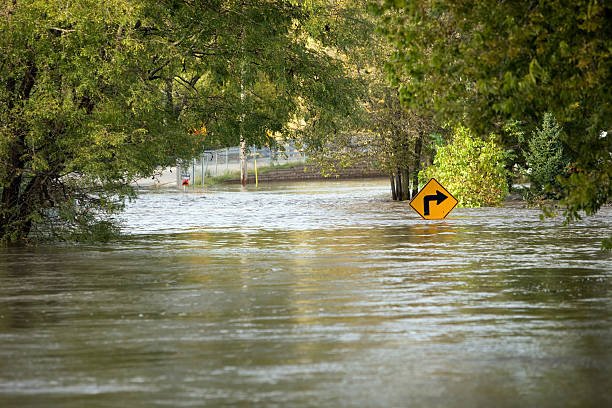
Flood season doesn’t send a calendar invite. A storm builds, water creeps up the street, and suddenly a homeowner is googling things they should have looked up months ago. One of the most common searches is for a FEMA flood insurance quote, and honestly, it makes sense. People hear “FEMA” and assume that’s where the policy lives. The truth is a bit messier. FEMA backs the program, but it doesn’t hand out quotes the way a corner agent would. So where does a person actually start? Let’s walk through it step by step, no jargon, no fluff, just what a homeowner really needs to know before the rain shows up.
What a FEMA Flood Insurance Quote Really Means
FEMA runs the National Flood Insurance Program, or NFIP. That’s the federal piece. The policies themselves get sold through private insurance companies and agents who are authorized to write them, and the rates come from the program, not from the agent’s mood that day. So when someone asks for a federal flood insurance quote, what they’re really asking for is a quote on an NFIP policy. Same coverage, same rules, no matter who sells it. That surprises people. They figure a different agent means a different deal on the exact same federal product, and mostly that’s not the case. Where agents differ is service, speed, and how well they explain things.
How Risk Rating Changed the Quote Process
Older quotes leaned hard on the flood zone map. Your home sat in a zone, the zone drove the rate, done. Then Risk Rating 2.0 arrived and shook things up. Now the quote looks at the individual property. Distance to water, elevation, how the house was built, what it would cost to rebuild, even how often flooding hits nearby. Two homes on the same street can land in very different places. Is that fair? Depends who you ask. But it does mean a neighbor’s quote tells a homeowner very little about their own. Don’t compare notes over the fence and assume you’ve got your answer, because you probably don’t.
What to Gather Before Asking for Flood Coverage Quotes
Get a few things together first. The address, obviously. The year the home was built, the foundation type, how many floors, and whether there’s a basement or a crawlspace. An elevation certificate helps a lot if one exists, since it can sharpen the rating. Not every home has one, so ask the seller, the previous owner, or the local floodplain office. Also decide what’s being covered, the structure, the belongings inside, or both. Those are separate policies on paper, which trips folks up all the time. Walls and floors are one thing. The couch and the TV are another. A quote that skips contents can leave a nasty gap later.
Finding the Best Flood Insurance Florida Homeowners Can Count On
Florida is its own animal. Low elevation, hurricanes, heavy summer rain, storm surge, and a coastline that never stops reminding people who’s boss. So the hunt for the best flood insurance Florida residents can get isn’t only about whatever looks cheapest on a screen. It’s about who picks up the phone after a storm. It’s about whether the agent bothered to explain what the policy won’t pay for. A federal policy is one route. Private flood coverage is another, and sometimes it offers higher limits or a shorter wait to kick in. Neither one wins every time. The honest move is to compare both, in writing, long before a storm is anywhere near the Gulf.
Federal Policy vs Private Flood Coverage
Let’s be real, people lump these two together and they shouldn’t. An NFIP policy has set caps on what it pays for the building and for contents, and it generally skips things like finished basement upgrades or extra living costs while you’re displaced. Private policies can fill some of those holes, though the carrier decides who gets approved, so terms vary a lot. Lenders often accept either type, but confirm that before you buy. Ask whether the policy pays replacement cost or actual cash value. That single detail changes a claim more than most people expect. And read the exclusions. Boring, yes. Also the part that matters most.
The Waiting Period Nobody Likes Talking About
Here’s the catch. Most flood policies don’t start the minute somebody signs. There’s usually a 30 day waiting period before coverage takes effect. A few exceptions exist, like a policy tied to a mortgage closing, but don’t count on one. So if a storm is already spinning out in the Atlantic and a homeowner is only now asking for a quote, it may be too late for that storm. Short sentence, hard truth. The time to ask is when the sky is blue and nothing’s on the news. Waiting for the warning is exactly how people end up uncovered and furious, and no agent can fix that after the fact.
Who Actually Needs Flood Insurance in Florida
The short answer is almost everyone. A standard homeowners policy doesn’t cover flood damage, and that’s written right there in the contract, though plenty of people never read that far. A home in a high risk zone with a federally backed mortgage will be required to carry flood coverage. But a home in a moderate or low risk area? It floods too. A big share of flood claims come from outside the high risk zones, which tells you something. Renters can buy contents coverage as well, which a lot of them never realize. Condo owners have their own setup depending on what the association covers. Anyone saying “it never floods here” hasn’t been paying attention.
Making the Call on Your Flood Insurance Quote
So here’s where it lands. A FEMA flood insurance quote is a starting point, not the finish line. Ask for it, look at it, then compare it against private options so the choice is an informed one. The best flood insurance Florida homeowners end up with usually comes from an agent who explains things plainly, answers questions without rushing, and doesn’t disappear when a claim gets complicated. Check the elevation details, understand the waiting period, and know exactly what’s covered and what’s not. Do it now, not during hurricane season’s worst week. Because once the water’s in the driveway, the quote conversation is over, and nobody gets a do over.