Rotary Pump
A rotary pump is an important type of positive displacement pump used across various industries to transfer liquids efficiently and consistently. These pumps are commonly found in manufacturing plants, chemical processing facilities, oil and gas operations, food production units, and water management systems. Their ability to handle different liquid viscosities makes them suitable for applications where conventional pumping equipment may not deliver the required performance.
Understanding how a rotary pump works, the different types available, and the factors involved in selecting the right model can help businesses improve operational efficiency and reduce maintenance costs. Whether you need to transfer oil, lubricants, chemicals, fuel, or other industrial fluids, choosing the appropriate rotary pump is essential for achieving reliable results.
What Is a Rotary Pump?
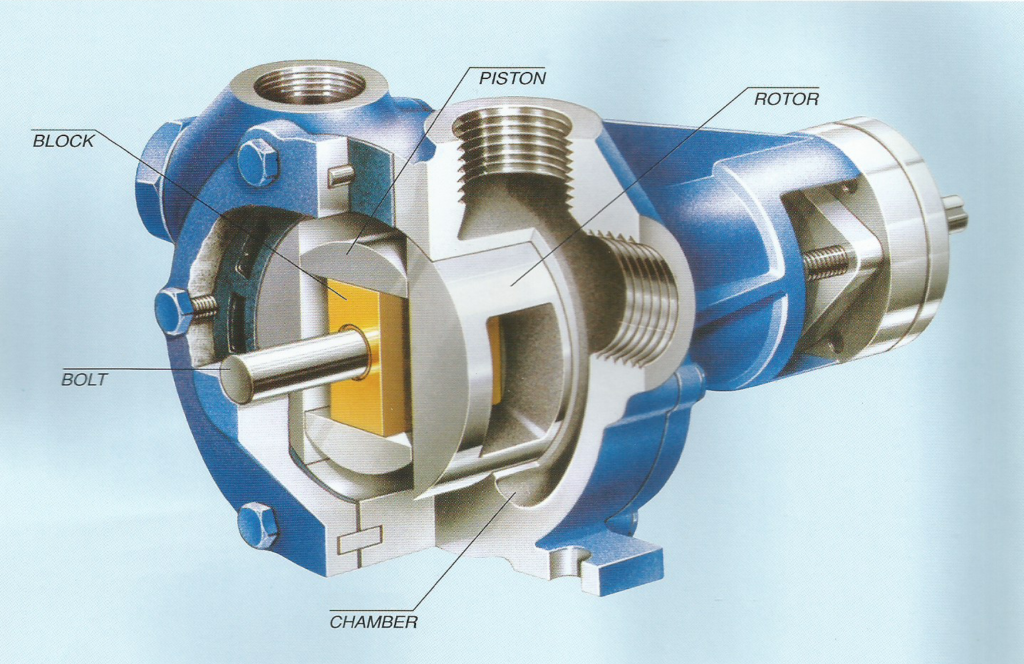
A rotary pump is a positive displacement pump that moves fluid through the rotation of internal components. Depending on its design, these components may include gears, screws, vanes, lobes, or other rotating elements.
As the internal components rotate, they create expanding spaces that draw liquid into the pump. The liquid is then carried through the pump chamber and discharged through the outlet. This process allows the pump to deliver a controlled volume of fluid with each rotation.
Unlike centrifugal pumps, which rely on an impeller to increase fluid velocity and convert it into pressure, rotary pumps primarily move liquid by trapping and displacing defined volumes. This operating principle makes many rotary pump designs suitable for viscous liquids and applications requiring steady fluid delivery.
However, performance depends on the pump design, liquid properties, operating speed, pressure requirements, and installation conditions.
How Does a Rotary Pump Work?
The working principle of a rotary pump is based on positive displacement. Although the precise mechanism differs between pump types, the general process involves three main stages.
1. Liquid Intake
When the rotating components move, the volume available inside the pump chamber increases at the inlet. This creates a pressure difference that allows liquid to enter the pump.
The inlet arrangement and internal clearances influence how effectively the pump draws liquid into the chamber. Some applications may require additional attention to suction pipework and inlet pressure, particularly when handling viscous fluids.
2. Fluid Transfer
After entering the pump, the liquid becomes trapped within spaces formed by the rotating elements and the pump casing. These spaces carry the fluid from the inlet towards the outlet.
Depending on the design, the liquid may move around the casing or through spaces between rotating components. Proper internal clearances and suitable materials help maintain performance while limiting wear and leakage.
3. Liquid Discharge
As the rotating components continue moving, the trapped liquid reaches the discharge side of the pump. The available chamber volume decreases, forcing the fluid through the outlet.
This repeated process produces continuous fluid transfer while the pump operates. In a positive displacement system, suitable pressure-relief protection is essential because restricting the discharge can cause pressure to rise rapidly.
Different Types of Rotary Pumps
Rotary pumps are available in several configurations, each designed to suit specific operating conditions and fluid characteristics.
Gear Pumps
Gear pumps use rotating gears to move liquid through the pump casing. As the gears rotate, fluid enters the spaces between the gear teeth and casing before travelling towards the discharge outlet.
External gear pumps typically use two meshing gears, while internal gear pumps use an inner rotor and an outer gear arrangement.
Gear pumps are commonly used for hydraulic oil, lubricants, fuel transfer, and certain industrial fluids. They are valued for their compact construction and ability to provide consistent flow under suitable operating conditions.
However, the fluid must be compatible with the pump’s materials and clearances. Abrasive particles can accelerate wear, while excessive viscosity or insufficient lubrication can affect performance.
Screw Pumps
Screw pumps use one or more rotating screws to move fluid along the pump axis. Their design can provide smooth, low-pulsation flow, making them useful in applications where stable fluid delivery is important.
Depending on their configuration, screw pumps are used for lubricating oil, fuel, petroleum products, and selected industrial process fluids.
Some screw pump designs can handle relatively viscous liquids, but the appropriate model depends on the fluid’s viscosity, temperature, pressure, and potential solids content.
Vane Pumps
Vane pumps use a rotating rotor fitted with sliding vanes. As the rotor turns, the vanes move against the pump casing and form chambers that expand and contract.
These changes in chamber volume draw in and discharge fluid. Vane pumps are commonly used in hydraulic systems, lubrication equipment, and selected fuel-handling applications.
Their suitability depends on the operating pressure, fluid cleanliness, material compatibility, and required flow rate. Regular maintenance helps ensure that the vanes and internal surfaces remain in good condition.
Lobe Pumps
Lobe pumps use two or more rotating lobes to move liquid through the pump chamber. The lobes rotate without making direct contact in many conventional designs, helping minimise wear between the pumping elements.
These pumps are frequently used in food processing, beverage production, pharmaceutical manufacturing, and other applications requiring careful fluid handling.
Depending on the model, lobe pumps can accommodate viscous products and certain liquids containing suspended solids. Hygienic designs may also offer clean-in-place or other cleaning provisions, subject to the equipment specifications.
Peristaltic Pumps
Peristaltic pumps move liquid through flexible tubing using rotating rollers or similar mechanisms that compress the tube. The liquid remains inside the tubing rather than coming into contact with many of the pump’s mechanical components.
These pumps are often used for chemical dosing, laboratory applications, water treatment, and transferring certain sensitive or corrosive fluids.
Tube compatibility, replacement intervals, pressure limits, and flow requirements should be considered when selecting a peristaltic pump.
Common Applications of Rotary Pumps
Rotary pumps support a broad range of industrial and commercial operations because different designs can handle different types of fluids.
Oil and Gas Industry
Oil and gas facilities use suitable rotary pumps to transfer lubricants, fuel, crude oil, and other petroleum products. Screw pumps and gear pumps are common options in applications where their pressure, flow, and material specifications match the operating requirements.
Equipment selection should account for fluid characteristics, temperature, pressure, safety requirements, and applicable industry standards.
Chemical Processing
Chemical manufacturing facilities require pumps capable of handling process fluids safely and reliably. Certain rotary pump designs can transfer chemicals, additives, resins, and other specialised liquids.
Material compatibility is particularly important because some chemicals can damage seals, casings, or internal components. Buyers should verify the chemical resistance of all wetted materials before installation.
Food and Beverage Production
Food processing operations may use lobe pumps and specialised rotary pumps to transfer syrups, sauces, dairy products, oils, and other ingredients.
Hygienic construction, suitable surface finishes, and effective cleaning arrangements are important in applications involving food products. The selected pump must also meet relevant process hygiene and regulatory requirements.
Water Treatment and Industrial Manufacturing
Water treatment plants may use rotary pumps for chemical dosing, polymer transfer, and other specialised processes. Manufacturing facilities can also use them for lubricating systems, hydraulic equipment, and controlled fluid transfer.
The most suitable pump depends on the application rather than the industry alone. Flow rate, pressure, fluid composition, and maintenance requirements should guide the selection process.
Advantages of Using a Rotary Pump
Rotary pumps offer several potential advantages when matched to the correct application.
Consistent fluid delivery: Many rotary pump designs provide relatively steady flow across their intended operating range, making them useful for controlled transfer processes.
Viscous liquid handling: Certain designs are well suited to oils, syrups, resins, and other fluids that may be difficult to handle with some conventional pumps.
Compact construction: Many rotary pumps provide useful pumping capacity within a relatively small footprint, which can benefit industrial installations with limited space.
Versatile configurations: Different designs are available for applications involving lubrication, fuel transfer, chemical dosing, food production, and hydraulic systems.
Flexible installation options: Depending on the design, rotary pumps may be installed in horizontal or vertical arrangements and integrated into different industrial systems.
It is important to remember that these advantages vary by pump type. No single rotary pump is ideal for every liquid or operating condition.
How to Choose the Right Rotary Pump
Selecting the correct rotary pump requires careful consideration of technical and operational requirements.
Identify Flow Rate and Pressure
Determine the required flow rate and discharge pressure before comparing models. The pump must deliver the necessary volume without exceeding its operating limits.
Also consider the system’s suction conditions, pipe friction, elevation changes, and pressure losses. These factors can influence the pump’s actual performance.
Understand the Fluid Properties
Evaluate the fluid’s viscosity, temperature, chemical composition, lubricating properties, and solids content. These characteristics affect the choice of pump design, materials, seals, and operating speed.
A pump suitable for clean hydraulic oil may not be appropriate for an abrasive slurry or an aggressive chemical.
Consider Energy Efficiency
Pump efficiency affects electricity consumption and operating expenses. Select a pump that operates within its recommended performance range and avoid unnecessary oversizing.
The motor, speed control, pipework, and overall system design can also influence energy use.
Evaluate Maintenance and Spare Parts
Before purchasing, review maintenance intervals, seal replacement requirements, component availability, and access to technical support.
A pump with suitable spare parts and a practical maintenance plan can help reduce downtime and improve long-term reliability.
Rotary Pump Maintenance Tips
Routine maintenance helps protect pump performance and extend equipment life. Operators should follow the manufacturer’s instructions and establish a maintenance schedule based on operating conditions.
Inspect seals and connections for leakage, monitor unusual vibration or noise, and check operating temperatures. Where applicable, examine gears, vanes, lobes, screws, and bearings for signs of wear.
Keep suction strainers and filters clean when they are part of the system, and ensure the pump receives the correct fluid and lubrication. Avoid running equipment outside its specified operating range.
Positive displacement rotary pumps should also have appropriate pressure-relief protection. The discharge line must not be operated against a closed valve unless the system is specifically designed and protected for that condition.
Conclusion
A rotary pump is a versatile positive displacement solution for moving liquids in industrial, commercial, and specialised processing applications. Gear pumps, screw pumps, vane pumps, lobe pumps, and peristaltic pumps each offer distinct operating characteristics suited to different fluid-handling requirements.
To select the right model, assess the required flow rate, pressure, liquid properties, operating environment, energy consumption, and maintenance needs. Choosing suitable equipment and following recommended maintenance procedures can improve reliability, reduce unnecessary operating costs, and support consistent production.
Whether you need a pump for oil transfer, chemical processing, food manufacturing, hydraulic systems, or water treatment, understanding the working principles and limitations of rotary pumps will help you make a more informed purchasing decision.