Introduction
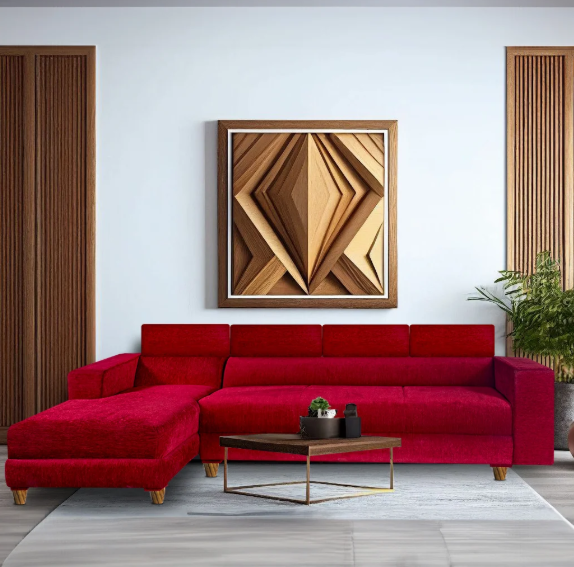
The living room often serves several roles: a place to relax after work, host guests, watch films and spend time with family. The furniture layout can make these activities feel natural or leave the room awkward to use. An l shape sofa set can help define a seating zone while making efficient use of a corner. For households comparing a living room sofa set, the main considerations are room measurements, traffic flow, seating needs and the style of the rest of the home.
Seventh Heaven shoppers should start with the space and its everyday purpose before choosing a particular design. An L-shaped layout can be useful, but it is not automatically right for every room. The best configuration is one that supports conversation and relaxation without blocking movement.
Why Choose an L-Shaped Layout?
An L-shaped sofa combines two seating sections at a right angle. This can make a corner more useful and create a clear gathering area without needing multiple separate chairs. It may also help distinguish the lounge from a dining space in an open-plan home. Depending on the configuration, one side can provide room to stretch out while the other offers seats for conversation.
The layout can feel especially welcoming in family homes because several people can sit together without arranging individual chairs around the room. However, a bulky frame may overwhelm a narrow space. Check the dimensions and the orientation of the longer and shorter sections before deciding where it should go.
Measure the Room and Plan Traffic Flow
Measure the full wall lengths and note windows, doors, radiators, electrical outlets and fixed storage. Then measure the sofa’s overall width, depth and chaise or return section. A corner sofa needs more than a suitable wall length: it also needs enough open floor area in front and a clear route around the seating zone.
Use tape to outline the proposed footprint. Walk from the entrance to the main seating area and check whether people can reach windows, balconies and other furniture without squeezing past the sofa. In an open-plan layout, keep the natural route between the kitchen, dining area and lounge unobstructed. These practical checks matter more than matching the sofa to a photograph of a larger room.
Choose the Correct Orientation
Some L-shaped sofas have a fixed left-hand or right-hand return, while other models offer different configurations. Confirm how the orientation is defined by the retailer, as it may be described from the perspective of someone facing the sofa or sitting on it. A misunderstanding here can make the furniture unsuitable for the intended corner.
Consider which side should offer the longer lounging section and whether the layout will block a doorway or window. If you plan to move homes or regularly rearrange furniture, a modular design may provide more flexibility, depending on the available model. Check product specifications before assuming the sections can be reversed.

Comfort, Upholstery and Maintenance
The frame shape matters, but comfort comes from seat depth, cushion support, backrest height and upholstery. Think about whether the sofa will be used mainly for formal conversations, family movie nights or long periods of lounging. A supportive seat may suit frequent everyday use, while softer cushions may appeal to people who prefer a relaxed feel.
Consider cleaning needs too. Households with children or pets may prefer an upholstery type that is straightforward to maintain. Read care labels and follow the manufacturer’s instructions instead of using strong cleaners without testing. Cushions that can be rotated or covers that can be removed, where available, may help with upkeep, but the product’s actual care details should guide the decision.
Coordinate the Sofa With the Rest of the Room
An L-shaped sofa has a strong visual presence, so balance it with appropriately sized tables, lighting and rugs. A rug can anchor the seating zone, while a coffee table should leave enough space for people to move their legs and walk through. Floor lamps and side tables can add function without crowding the main route.
Colour is another important consideration. A neutral sofa can work with changing cushions and accessories, while a deeper shade may create a focal point. Look at the room’s natural light, wall colour and flooring when choosing a finish. Seventh Heaven shoppers can use the dimensions and product details for the selected model to plan the room before ordering.
When an L-Shaped Sofa May Not Be Ideal
A large corner sofa may be less suitable when the room is narrow, has many doorways or needs to be rearranged frequently. Two smaller sofas or a sofa with a separate chair can sometimes create more flexible seating. The decision should be based on how people use the space, not simply on the number of seats shown in a product image.
If the household often hosts different group sizes, movable chairs may offer more options. If the main goal is to create a cosy family zone, an L-shaped arrangement can be a strong choice when the measurements work.
Conclusion
A well-planned l shape sofa set can make the living room feel organised, sociable and comfortable. Measure both sections, check the orientation, preserve clear walkways and choose upholstery suited to daily life. When comparing a living room sofa set, consider the room’s purpose as carefully as the sofa’s appearance. These steps help Seventh Heaven customers select a design that supports their home rather than dominating it.